What Is Quercetin and Why Does It Matter
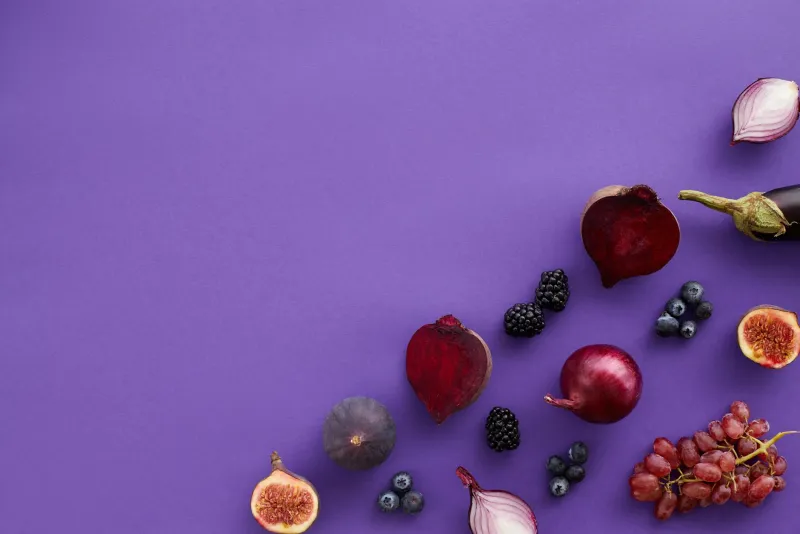
Quercetin is a flavonoid — a natural plant pigment found abundantly in onions, apples, berries, and green tea. It is one of the most widely distributed antioxidants in nature, affecting allergic responses, inflammation regulation, and immune function. Quercetin intake varies widely and depends heavily on diet — low fruit and vegetable consumption leads directly to lower quercetin levels in the body.
Quercetin Deficiency Symptoms
Quercetin has no official deficiency diagnosis, but low intake may manifest as:
- Frequent allergic reactions — seasonal hay fever, rhinitis, itching; quercetin inhibits histamine release from mast cells (Mlcek et al., 2016)
- Chronic low-grade inflammation — joint soreness, fatigue, muscle tension
- Poor ability to cope with infections — immune response may be impaired
- Reduced oxidative protection — increased fatigue under oxidative stress
- Digestive issues — quercetin has anti-inflammatory properties in the gut lining
These symptoms are non-specific.
At-Risk Groups
Those most likely to benefit from quercetin supplementation:
- People who eat few fruits and vegetables — low dietary polyphenol intake directly means less quercetin
- Allergy sufferers — quercetin acts as a natural antihistamine, stabilizing mast cells (Mlcek et al., 2016). A supplement may be helpful during seasonal allergy season
- Athletes during intense training blocks — research suggests quercetin may support immune function during intensive exercise (Nieman et al., 2007)
- Older adults — oxidative stress increases with age; quercetin supports antioxidant defense
- People with chronic inflammatory conditions — arthritis, IBS, chronic skin conditions
How to Assess Quercetin Status
No standardized serum test for quercetin exists. Indirect assessment includes:
- Plasma flavonoid levels — used in research settings, not standard clinical practice
- IgE levels — elevated IgE indicates strong allergic reactivity, which may respond to quercetin supplementation
- CRP — low-grade inflammation marker
- Dietary history — is fruit and vegetable intake above 400 g per day?
Nordic Context: Low Quercetin Intake in Winter
In Estonia, fresh fruits and vegetables are harder to access and more expensive in winter. Winter diets tend to be lower in polyphenols than summer diets. Onions and apples are good quercetin sources and available year-round, but many people do not consume them in sufficient quantities. Seasonal hay fever is a common problem in Estonia during May to July; quercetin supplementation is often recommended starting before the season begins.
Food vs Supplement: When to Supplement
Top food sources:
| Food | Quercetin content (mg/100g) |
|---|---|
| Capers | ~180 mg |
| Red onion | ~20-35 mg |
| Broccoli | ~10-15 mg |
| Apples (with skin) | ~4-10 mg |
| Green tea | ~2-10 mg/dl |
A typical Estonian diet may provide roughly 10-50 mg of quercetin per day. Research trials have used 500-1000 mg per day (Nieman et al., 2007). A supplement is therefore needed for measurable effect.
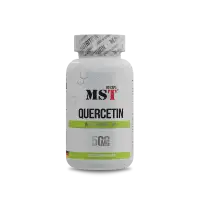 MST Quercetin Bromelain€26.90 In stock 60caps and OstroVit Quercetin 90caps are available at maxfit.ee. The MST product additionally contains bromelain enzyme, which may improve absorption.
Consider supplementing if you:
- Suffer from allergic reactions
- Consume few fruits and vegetables
- Are an intensively training athlete
- Want seasonal support during allergy season
FAQ
How does quercetin reduce allergy symptoms?
Quercetin stabilizes mast cells and inhibits histamine release, reducing allergic symptoms such as runny nose, itching, and watery eyes. It works preventively, so it is recommended to start supplementation before allergy season begins.
Is quercetin suitable for daily use?
Yes, quercetin is considered safe for long-term daily use at standard supplement doses. Very high doses (above 3 g per day) may carry kidney risk, but typical supplement amounts are safe.
Do quercetin and vitamin C work together?
Yes, they are synergistic. Vitamin C can regenerate oxidized quercetin, extending its activity. Many products contain both.
References
Mlcek, J., Jurikova, T., Skrovankova, S., & Sochor, J. (2016). Quercetin and Its Anti-Allergic Immune Response. Molecules, 21(5), 623. https://pubmed.ncbi.nlm.nih.gov/27187333/
Nieman, D. C., Henson, D. A., Gross, S. J., Jenkins, D. P., Davis, J. M., Murphy, E. A., Carmichael, M. D., Dumke, C. L., Utter, A. C., McAnulty, S. R., McAnulty, L. S., & Mayer, E. P. (2007). Quercetin reduces illness but not immune perturbations after intensive exercise. International Journal of Sport Nutrition and Exercise Metabolism, 17(4), 455-451.
Bischoff, S. C. (2008). Quercetin: potentials in the prevention and therapy of disease. Current Opinion in Clinical Nutrition and Metabolic Care, 11(6), 733-740. https://pubmed.ncbi.nlm.nih.gov/18827577/



