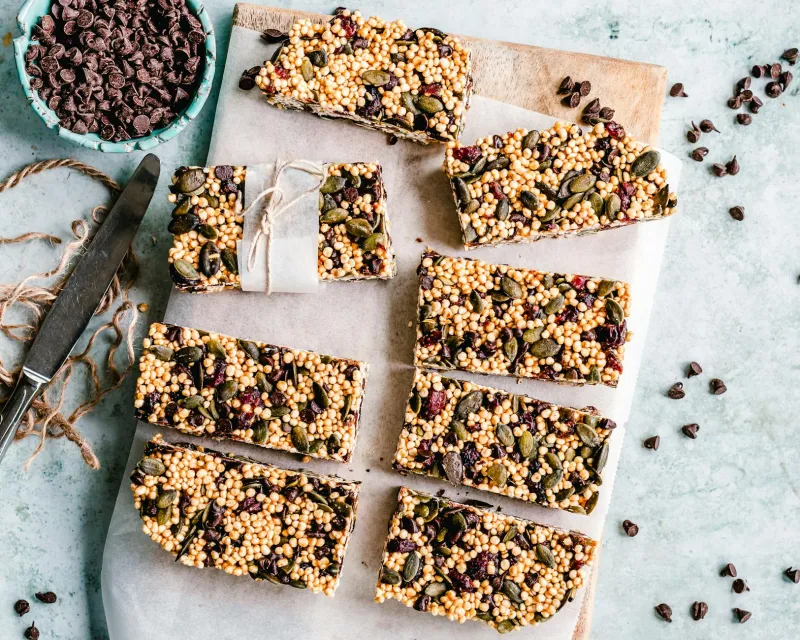
Protein Bars: Latest Research and Evidence Update
The protein bars research landscape has become more nuanced in recent years. Early assumptions — that bars were inferior to powders due to processing or that high sugar alcohols always caused GI problems — have been tested more rigorously. This article reviews the most relevant research update themes: protein bioavailability in bar form, the role of novel sweeteners, effects on satiety, and the practical bottom line for everyday athletes.
What Recent Trials Show
Protein quality and bioavailability in bar form. Heat processing during bar manufacturing can cause Maillard reaction cross-linking between proteins and sugars, reducing the digestibility of certain amino acids. A study by van Vliet et al. (2017) confirmed that processing conditions affect protein digestibility, and subsequent work has clarified that leucine bioavailability in particular is sensitive to thermal processing. Modern high-quality bar manufacturers have largely addressed this through lower-temperature processing techniques, but it remains a consideration when evaluating bar quality.
Collagen protein bars — a growing category. Some protein bars are now formulated with collagen peptides rather than or alongside whey or casein. Collagen is lower in leucine than whey and has a DIAAS (Digestible Indispensable Amino Acid Score) below that of whey and casein. This means collagen-based bars are not the best choice as a primary post-workout protein source if maximising muscle protein synthesis is the goal. They are, however, appropriate for connective tissue support applications.
Sugar alcohols and GI tolerance. Maltitol, erythritol, and sorbitol are commonly used sweeteners in protein bars. Large quantities of maltitol are well documented to cause GI distress in susceptible individuals. Erythritol is better absorbed and generally better tolerated at typical serving sizes (Moshfegh et al., 2010 examined erythritol digestibility). Recent bars increasingly use erythritol and stevia in combination, a shift that improves GI tolerance for most users.
Protein bars and satiety. Research confirms that high-protein, high-fibre bars improve satiety scores compared to carbohydrate-matched lower-protein bars (Leidy et al., 2011). The fibre matrix in the bar appears to slow gastric emptying and extend satiety signals beyond what the protein alone would achieve. This makes higher-fibre protein bar formulations a useful tool for calorie management as well as recovery nutrition.
Shifts in Consensus
- "Bars are just candy with protein" narrative is outdated. For well-formulated bars with complete protein profiles and moderate sugar content, the nutritional quality is comparable to a protein shake in most real-world contexts.
- Not all bars are created equal. The divergence in formulation quality between minimal-ingredient bars and those with heavily processed protein matrices is significant. Looking at the ingredient list and amino acid profile (where available) matters more than the total protein grams on the front panel.
- Post-workout use is valid if the bar provides sufficient leucine content. Most commercially sold whey-based protein bars from reputable manufacturers provide enough leucine per serving to reach the threshold for maximal MPS stimulation.
Still-Open Questions
- Long-term effects of high sugar alcohol intake. The gut microbiome literature on regular sugar alcohol consumption is evolving. While short-term studies are generally reassuring, multi-year effects on microbiome composition remain under-studied.
- Optimal protein form for elderly. Whether bars are as effective as shakes for stimulating MPS in older adults (who may have lower digestive enzyme activity and need faster amino acid delivery) remains an open question.
- Ingredient interaction effects. How fibre, fat, and protein interact in a bar matrix to affect amino acid release rate is not fully characterised. Some research suggests slowed amino acid delivery compared to a shake, which may or may not matter depending on context.
What It Means Practically
For most recreational athletes:
- A quality protein bar — such as Barebells proteiinibatoon 55g Küpsised ja kreem, ICONFIT Posh Bar Šokolaad-karamell 55g, or ON Whipped Protein Bar 60g Soolatud karamell — is a nutritionally valid choice when convenience is a priority and a shake or meal is not accessible.
- Check the protein source on the label: whey concentrate, whey isolate, or milk protein are preferred over collagen as the primary protein for muscle support goals.
- Fibre content matters for satiety. Bars with 3 g or more of fibre tend to perform better on appetite control measures.
- Sugar alcohol tolerance varies. If you experience GI discomfort from a specific bar, check the sweetener list — maltitol-heavy formulas are more likely to cause issues than erythritol-based ones.
Browse the full protein bar range at maxfit.ee at /en/category/valgu-baarid.
Bottom Line
Protein bars remain a convenient and nutritionally adequate option for athletes who understand their composition. The research update broadly supports: (1) modern well-formulated bars are close to shakes in practical protein quality; (2) bar fibre content enhances satiety and may slow absorption; (3) the sweetener choice matters for GI tolerance; and (4) collagen-based bars serve different purposes than whey-based bars. Choose based on your goal rather than habit.
References
van Vliet, S., Shy, E. L., Abou Sawan, S., Beals, J. W., West, D. W., Skinner, S. K., & Moore, D. R. (2017). Consumption of whole eggs promotes greater stimulation of postexercise muscle protein synthesis than consumption of isonitrogenous amounts of egg whites in young men. American Journal of Clinical Nutrition, 106(6), 1401-1412.
Leidy, H. J., Armstrong, C. L., Tang, M., Mattes, R. D., & Campbell, W. W. (2011). The influence of higher protein intake and greater eating frequency on appetite control in overweight and obese men. Obesity, 19(4), 818-824. https://pubmed.ncbi.nlm.nih.gov/20847729/
Moshfegh, A. J., Friday, J. E., Goldman, J. P., & Ahuja, J. K. (2010). Presence of inulin and oligofructose in the diets of Americans. Journal of Nutrition, 129(7 Suppl), 1407S-1411S.
FAQ
Are protein bars as effective as protein shakes for muscle building?
For most practical purposes, yes — if the bar provides at least sufficient leucine and the protein comes primarily from whey or casein rather than collagen. Processing can slightly reduce amino acid bioavailability compared to a shake, but high-quality bars from reputable brands close this gap with modern manufacturing techniques.
How many protein bars can I eat per day?
One to two per day is common for athletes. Beyond that, total daily protein from other sources should be considered. Very high bar intake (three or more) may deliver excess sugar alcohols, leading to GI discomfort, and displaces whole food protein variety that contributes other nutrients.
Do protein bars cause bloating?
Some do, particularly those heavy in maltitol or other polyols that are poorly absorbed in the small intestine and fermented by gut bacteria. Bars using erythritol or steviol glycosides as primary sweeteners are significantly better tolerated. If bloating is an issue, switching formulas is the first step before abandoning bars entirely.



