
Why the Form of Probiotics and Digestive Enzymes Matters
When choosing supplements for digestive health, most people focus on what is inside the capsule — CFU counts, enzyme activities, specific strains. But the delivery form — how the active ingredient is encapsulated, packaged, and protected — determines how much of it actually reaches your gut intact and active.
Probiotics and digestive enzymes have different challenges: probiotics are live organisms that can die from heat, acid, or oxygen exposure before they reach the colon; enzymes are proteins that must reach the small intestine before being denatured by stomach acid. The best form for probiotics and digestive enzymes is the one that protects activity all the way to the target site.
Forms Compared: Probiotics
Enteric-Coated Capsules
Enteric coating resists stomach acid and releases contents in the small intestine. This is considered superior for acid-sensitive strains. However, not all strains need this protection — Lactobacillus and Bifidobacterium species are moderately acid-resistant.
A meta-analysis noted that microencapsulated probiotic preparations showed meaningfully better survival through simulated gastrointestinal conditions compared to standard formulations (Broeckx et al., 2016).
Standard Vegetable Capsules
Vegetable (HPMC or pullulan) capsules dissolve in the stomach but still deliver bacteria. For hardy strains (like Saccharomyces boulardii, which is a yeast, not a bacterium), standard capsules are effective. ICONFIT Boulardii 60caps and SELF Probiotic Lactospore 60 caps are examples available at maxfit.ee — both use strain selections with good documented stability.
Powder Forms
Probiotic powders have high CFU flexibility but the highest vulnerability to environmental degradation (moisture, heat). They are best for people who mix them into food or smoothies but require careful storage.
Chewables and Gummies
Convenient but typically lower potency; exposure to teeth and saliva before swallowing reduces probiotic viability. Generally the lowest-performing delivery form for probiotics with acid-sensitive strains.
Forms Compared: Digestive Enzymes
| Form | Best For | Key Consideration |
|---|---|---|
| Enteric-coated capsules | Protease, lipase — enzymes that must survive stomach acid | Premium option; protects enzyme activity |
| Standard capsules | Amylase, some protease blends — taken with meals | Most common; effective if taken correctly |
| Powder | Flexible dosing, especially for digestive support of specific foods | Mixes well, but no acid protection |
| Chewable | Salivary enzymes (amylase) to start starch digestion in the mouth | Suitable for carbohydrate support specifically |
Bioavailability Differences
For probiotics, "bioavailability" translates to the number of live organisms arriving at the colon relative to the number ingested. A meta-analysis noted that microencapsulated probiotic preparations showed meaningfully better survival through simulated gastrointestinal conditions compared to standard formulations (Broeckx et al., 2016).
For enzymes, bioavailability is less relevant than activity delivery at site of action. An amylase that dissolves in the mouth and begins breaking down starch there is working as intended. A lipase that dissolves in the stomach before reaching the small intestine where fat digestion occurs has wasted its activity.
Cost Per Effective Dose
Higher-quality enteric-coated or microencapsulated products typically cost more per serving but deliver more active ingredient per euro spent when target-site delivery matters. For probiotics especially, a product with 10 billion CFU in enteric-coated capsules may outperform a 50 billion CFU uncoated product if survival rates differ substantially.
For fibre supplements that support the digestive microbiome — ICONFIT Superfoods Organic Psyllium Husk Powder 150g and ICONFIT Superfoods Inulin Powder 250g are prebiotic fibres that feed existing gut bacteria rather than adding live cultures. These do not depend on the same survival considerations. OstroVit Berberine 90tabs offers a plant-derived compound used to modulate gut ecology, while 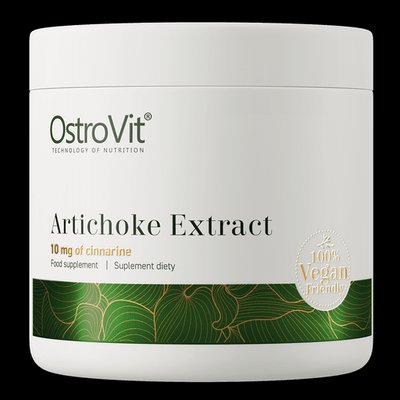 OstroVit Artichoke Extract VEGE€9.90 In stock 100g supports bile flow and digestive comfort.
Which Form for Which Goal?
| Goal | Recommended Form |
|---|---|
| Antibiotic recovery or IBS support | Enteric-coated probiotic capsules with documented strains |
| Daily gut maintenance | Standard capsules with Lactobacillus/Bifidobacterium blends |
| Yeast balance (Saccharomyces boulardii) | Standard capsules — the yeast is acid-hardy |
| Fat digestion support | Enteric-coated lipase supplement |
| Prebiotic fibre top-up | Psyllium or inulin powder — form is flexible |
| Carbohydrate tolerance | Amylase / multi-enzyme capsule taken with meals |
What to Look for on the Label
- CFU count at end of shelf life, not at manufacture. Many labels list CFU at manufacture, which can be significantly higher than what you actually receive.
- Strain specificity. Look for named strains (e.g., Lactobacillus rhamnosus GG, Saccharomyces boulardii CNCM I-745) rather than generic "Lactobacillus blend."
- Enteric coating or microencapsulation noted for acid-sensitive strains.
- Enzyme activity units, not just mg of enzyme. Lipase is measured in FIP or LU, protease in HUT, amylase in DU.
- Storage requirements. Many probiotics require refrigeration; check the label.
FAQ
Are capsules or powder better for probiotics?
Enteric-coated or delayed-release capsules are generally the better form for acid-sensitive strains because they protect live organisms through the stomach. Powders are flexible but require more careful storage and offer no acid protection. For robust strains like Saccharomyces boulardii, standard capsules work well.
Should I take digestive enzymes before or with meals?
Most digestive enzyme supplements should be taken at the start of a meal or within the first few bites. This ensures the enzymes are present when food arrives in the stomach and small intestine. Taking them long before or after a meal reduces their effectiveness.
Do I need both probiotics and digestive enzymes?
Not necessarily. They address different aspects of digestive health. Probiotics support the gut microbiome; digestive enzymes supplement your own enzyme production for breaking down food. Some people benefit from both, particularly those with digestive insufficiency combined with dysbiosis, but starting with one and assessing response is a practical approach.
References
Broeckx, G., Vandenheuvel, D., Claes, I. J., Lebeer, S., & Kiekens, F. (2016). Drying techniques of probiotic bacteria as an important step towards the development of novel pharmabiotics. International Journal of Pharmaceutics, 505(1-2), 303-318. https://pubmed.ncbi.nlm.nih.gov/27050865/
Ooi, L. G., & Liong, M. T. (2010). Cholesterol-lowering effects of probiotics and prebiotics: a review of in vivo and in vitro findings. International Journal of Molecular Sciences, 11(6), 2499-2522. https://pubmed.ncbi.nlm.nih.gov/20640165/



