Why Plant-Based Diets May Fall Short
Vegans and vegetarians frequently score favourably on cardiovascular and general health metrics compared with omnivores, but certain micronutrients important for male sexual health and prostate function are found predominantly or exclusively in animal products, or are significantly less bioavailable from plant sources.
The most relevant nutrients in this context are zinc, selenium, and vitamin D. Zinc is a critical cofactor in testosterone metabolism and is found in highest concentrations in oysters, red meat, and poultry — foods absent from vegan and many vegetarian diets. Plant-based zinc from legumes, seeds, and nuts is partially inhibited by phytates, reducing net absorption. A systematic review found that vegans and vegetarians tend to have lower plasma zinc than omnivores (Foster et al., 2013).
Selenium supports antioxidant defence in prostatic tissue via glutathione peroxidases. Brazil nuts are the richest plant source, but selenium content varies dramatically by soil origin, making them unreliable as a sole source. Vitamin D, synthesised cutaneously from UVB, is limited in northern climates including Estonia for much of the year — and vegan diets exclude D3 from animal sources, typically leaving D2 from fortified foods or supplements as the primary option.
Vegan-Friendly Sources and Alternatives
Several botanicals relevant to potency and prostate support are entirely plant-derived and thus naturally vegan-suitable:
- Maca (Lepidium meyenii): A root vegetable from Peru studied for effects on libido and sexual dysfunction. A randomised trial in men with mild erectile dysfunction found that maca supplementation was associated with improved sexual well-being scores compared with placebo (Zenico et al., 2009).
- Tribulus terrestris: Widely used in traditional medicine for reproductive health. Evidence from human trials is mixed; effects on testosterone in healthy men are modest, though the herb is generally well tolerated.
- Pumpkin seed extract: Contains phytosterols and zinc and is used in prostate support formulations. It is fully vegan-compatible.
- Saw palmetto (Serenoa repens): A berry extract used for lower urinary tract symptoms associated with benign prostate concerns. It is plant-derived and vegan-suitable.
Dose Targets
For zinc supplementation in vegans, a modest additional intake — to compensate for the estimated reduced bioavailability from plant sources — is a commonly adopted strategy. The specific amount should be guided by dietary intake assessment rather than a fixed rule.
For botanical compounds like maca and tribulus, doses studied in clinical trials are the appropriate reference point, as product labels typically reflect these research-informed amounts.
What to Combine
For vegan men interested in comprehensive potency and prostate support, a combination approach is often practical:
- Ensure adequate zinc and selenium from diet or low-dose supplementation
- Maintain sufficient vitamin D status, especially in autumn and winter
- Consider a botanical compound (maca, saw palmetto) if specific functional support is sought
Avoid stacking multiple stimulating or testosterone-modulating herbs simultaneously without assessing individual response first.
Choosing a Vegan Product
Look for products that explicitly carry a vegan certification or state the capsule shell is vegetable-based (HPMC), as many standard supplement capsules use gelatin. Check that the listed ingredients do not include magnesium stearate from unspecified animal sources (vegetable-derived stearate is widely used but worth confirming).
At maxfit.ee, vegan-suitable options in the potency and sexual health range include NOW Maca 500mg 250 veg. caps. and SELF Tribulus Terrestris 100tabs. For zinc, SELF Zinc 100tabs and 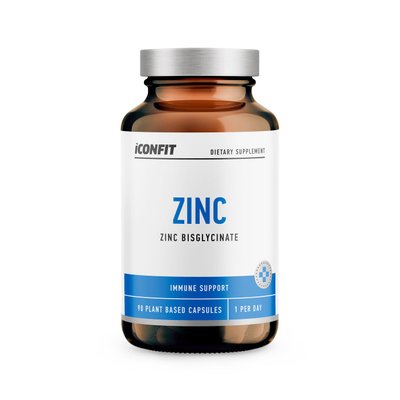 ICONFIT Capsules Zinc N90€9.90 In stock offer well-absorbed zinc forms. Browse the full potency and sexual health category at /en/category/potents-ja-seksuaaltervis.
References
- Foster, M., Chu, A., Petocz, P., & Samman, S. (2013). Effect of vegetarian diets on zinc status: a systematic review and meta-analysis of studies in humans. Journal of the Science of Food and Agriculture, 93(10), 2362-2371. https://pubmed.ncbi.nlm.nih.gov/23595983/
- Zenico, T., Cicero, A. F., Valmorri, L., Mercuriali, M., & Bercovich, E. (2009). Subjective effects of Lepidium meyenii (maca) extract on well-being and sexual performances in patients with mild erectile dysfunction: a randomised, double-blind clinical trial. Andrologia, 41(2), 95-99. https://pubmed.ncbi.nlm.nih.gov/19260845/
- Kristal, A. R., Darke, A. K., Morris, J. S., Tangen, C. M., Goodman, P. J., Thompson, I. M., Meyskens, F. L., Goodman, G. E., Minasian, L. M., Parnes, H. L., Lippman, S. M., & Klein, E. A. (2014). Baseline selenium status and effects of selenium and vitamin E supplementation on prostate cancer risk. Journal of the National Cancer Institute, 106(3), djt456. https://pubmed.ncbi.nlm.nih.gov/24563519/
FAQ
Can vegans get enough zinc for testosterone health without supplements?
It is possible but requires deliberate dietary effort. High-zinc plant foods include hemp seeds, pumpkin seeds, cashews, lentils, and chickpeas. However, the phytate content in these foods reduces zinc bioavailability compared with meat sources. For vegan men with concerns about zinc status, a modest zinc supplement — or a multivitamin that includes zinc — is a practical insurance policy, particularly if symptoms of low zinc are present.
Is maca safe for long-term vegan use?
Maca is a food crop and has been consumed as a staple in Andean regions for centuries. Studies of up to 12 weeks duration show a clean safety profile. It does not appear to significantly raise testosterone in healthy men, but is associated with improved sexual well-being and libido in some trials. Long-term data beyond 3–6 months is limited, but given its food-crop status, ongoing use at product-label doses is generally considered low-risk.
Do vegan prostate supplements contain the same actives as non-vegan ones?
The primary actives in evidence-based prostate supplements — saw palmetto, pumpkin seed extract, lycopene, zinc, selenium — are all plant-derived or inorganic minerals and thus available in fully vegan formulations. The main vegan-incompatibility issue is the capsule shell (gelatin vs HPMC) rather than the active ingredients themselves. Always check the label for capsule shell material.



