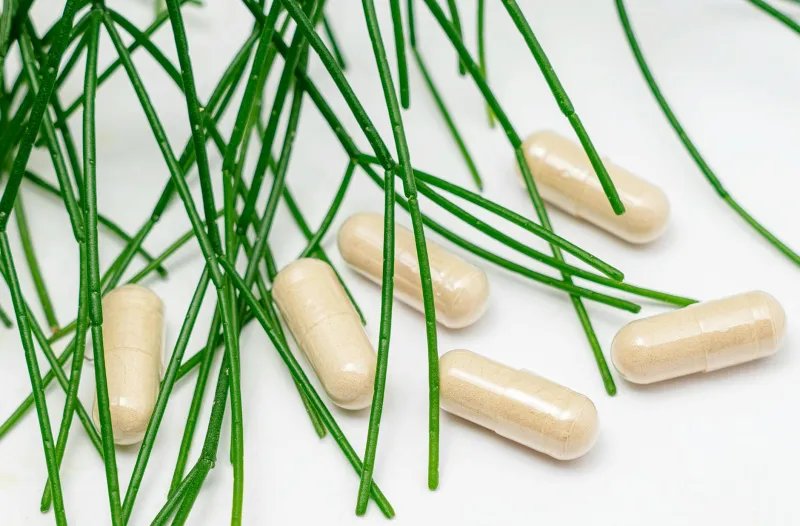
Potency & Prostate Support: Side Effects & Safety
Supplements marketed for potency and prostate support typically include a combination of zinc, herbs such as maca or tribulus terrestris, botanical extracts, and sometimes d-aspartic acid. While these supplements can be part of a broader approach to men's health, understanding their safety profile is essential before starting use.
Common Ingredients and Their Side Effect Profiles
Zinc
Zinc is one of the most common ingredients in prostate support formulas. It is essential for testosterone metabolism and immune function. At typical supplemental doses (up to the upper tolerable intake level), zinc is well tolerated.
High-dose zinc — chronically exceeding the upper tolerable intake level — can cause:
- Copper deficiency (zinc competitively inhibits copper absorption, as covered in our copper timing article)
- Nausea and gastrointestinal discomfort, particularly on an empty stomach
- Impaired immune function at very high long-term doses
A number of zinc formulations are available at maxfit.ee/et/category/potents-ja-seksuaaltervis, including ICONFIT Capsules Zinc N90, SELF Zinc 100tabs, and OstroVit Triple Zinc 90caps. Always follow label recommendations and avoid stacking multiple zinc-containing supplements simultaneously.
Maca (Lepidium meyenii)
Maca root is an Andean plant traditionally used to support energy and libido. In clinical research, maca has been explored for effects on sexual function and mood. A systematic review found that maca may have positive effects on sexual dysfunction, though evidence quality was rated as limited (Shin et al., 2010).
Maca is generally well tolerated at typical supplemental amounts. Reported side effects include mild gastrointestinal discomfort in some users. Maca acts via non-hormonal pathways (it does not significantly alter testosterone or oestrogen in human studies) and is therefore considered lower-risk from a hormonal perspective than some other botanicals. NOW Maca 500mg 100 veg. caps. and Ostrovit Maca 90tab are two options available at maxfit.ee.
Tribulus Terrestris
Tribulus is a plant extract promoted for testosterone support. Human evidence for significant testosterone-raising effects is inconsistent — a systematic review found no significant effect on testosterone in healthy men across several trials (Qureshi et al., 2014). However, it may have mild effects on libido-related outcomes in some populations.
Side effects are generally mild but can include GI discomfort. A rare case-series has linked high-dose tribulus to kidney issues, though this appears associated with very high doses far above typical supplement amounts. SELF Tribulus Terrestris 100tabs and NOW Tribulus 1000mg 90tabs are available at maxfit.ee.
D-Aspartic Acid (DAA)
DAA is an amino acid involved in hormone signalling in the testes and pituitary. Research results are mixed — some short-term trials in men with low testosterone have shown transient increases, while others in healthy men showed no effect or even a decline. At typical supplemental doses, short-term use appears safe, though very little long-term safety data exist.
Upper Safe Limits
For ingredients with established upper limits, always check that your combined intake from all sources (food + supplements) stays within the guidance. The key concern here is zinc, where long-term intake above the upper tolerable level is associated with copper depletion and other adverse outcomes.
For botanical ingredients — maca, tribulus, DAA — there are no officially established upper limits, and human safety data at very high doses are limited. This is an argument for using products that stick to amounts studied in human trials.
Drug and Nutrient Interactions
- Anticoagulant medications (e.g., warfarin): Some botanical extracts can affect platelet function. If you take blood-thinning medications, discuss supplement use with your physician.
- Hormone-sensitive conditions: Although maca does not significantly alter sex hormone levels, men with hormonally sensitive conditions should consult a doctor before using any supplement in this category.
- Phosphodiesterase inhibitors (PDE5i) like sildenafil: These are prescription medications. Combining them with herbal libido supplements is not inherently dangerous in most cases, but double-check with a pharmacist.
- Zinc and copper: As noted above, high-dose zinc supplementation requires attention to copper intake.
Who Should Avoid These Supplements?
- Men with diagnosed prostate cancer: Some prostate conditions may be sensitive to changes in hormonal and metabolic environment. Always consult a urologist before starting any prostate-specific supplement regimen.
- Those on immunosuppressant medications: High zinc can interact with immune-modulating drugs.
- Individuals with a history of kidney stones: Certain herbal extracts may have renal implications at high doses.
- Anyone under 18: These supplements are formulated for adult men.
Quality and Contamination
Prostate and potency supplements are a category with documented quality problems in third-party testing programmes globally. Key contamination risks include:
- Undisclosed pharmaceutical agents: Hidden PDE5 inhibitors or anabolic compounds have been found in some commercial products — a serious safety concern.
- Heavy metal contamination: Botanical roots and extracts can accumulate cadmium, lead, and arsenic from soil.
- Inaccurate label claims: Active ingredient content sometimes differs substantially from what is stated.
Choose products from reputable brands with transparent manufacturing, such as those available through maxfit.ee, and look for products with third-party testing certificates where possible.
References
Shin, B. C., Lee, M. S., Yang, E. J., Lim, H. S., & Ernst, E. (2010). Maca (L. meyenii) for improving sexual function: a systematic review. BMC Complementary and Alternative Medicine, 10, 44. https://doi.org/10.1186/1472-6882-10-44
Qureshi, A., Naughton, D. P., & Petroczi, A. (2014). A systematic review on the herbal extract Tribulus terrestris and the roots of its putative aphrodisiac and performance enhancing effect. Journal of Dietary Supplements, 11(1), 64-79. https://pubmed.ncbi.nlm.nih.gov/24559105/
Prasad, A. S. (2009). Zinc: role in immunity, oxidative stress and chronic inflammation. Current Opinion in Clinical Nutrition and Metabolic Care, 12(6), 646-652. https://pubmed.ncbi.nlm.nih.gov/19710611/
FAQ
Can prostate supplements interact with blood pressure medications?
Some botanical extracts may have mild vasodilatory properties that could theoretically augment blood pressure medications. If you take antihypertensives, discuss any new supplement with your doctor or pharmacist before starting.
How long is it safe to take tribulus terrestris continuously?
Human studies on tribulus have mostly used periods of several weeks to a few months. Safety data for very long-term continuous use (over six months) are limited. Cycling — periods of use followed by breaks — is a common approach in the absence of definitive long-term safety data.
Do potency supplements require a doctor's prescription in Estonia?
Dietary supplements in the potency and prostate support category are available without prescription at licensed supplement retailers. They are not pharmaceutical treatments. If you experience actual medical symptoms related to prostate health or sexual dysfunction, see a physician — supplements are not a substitute for medical care.



