
Potency & Prostate Support: Setting the Scene
The men's health supplement market is saturated with products making dramatic claims around potency and prostate support. For men looking to make informed decisions, separating evidence from marketing rhetoric is essential. This article takes a level-headed look at the most common myths and what the research actually shows.
Common Myths
Myth 1: All prostate supplements reliably shrink an enlarged prostate
This is one of the most overstated claims in the category. Saw palmetto (Serenoa repens) is the most researched ingredient. A large, well-designed randomised trial by Bent et al. (2006), published in the New England Journal of Medicine, found that saw palmetto extract did not reduce lower urinary tract symptoms or improve flow measures compared to placebo. This contradicted earlier, smaller studies and remains a sobering reality check for the category.
Some newer proprietary extracts and combination products have shown modest effects in smaller trials, but the evidence base is inconsistent and not sufficient to claim reliable symptomatic relief.
Myth 2: Zinc boosts testosterone and potency directly
Zinc is essential for testosterone biosynthesis, but the relationship is nuanced. Supplementation raises testosterone only when there is an underlying deficiency. A meta-analysis by Te et al. (2011) confirmed that zinc supplementation in deficient men raised serum testosterone levels, while supplementation in men with adequate zinc status produced no meaningful hormonal change. The myth that extra zinc beyond adequate intake boosts potency is not supported.
ICONFIT Capsules Zinc N90, MST Zinc Picolinate 100tabs, and 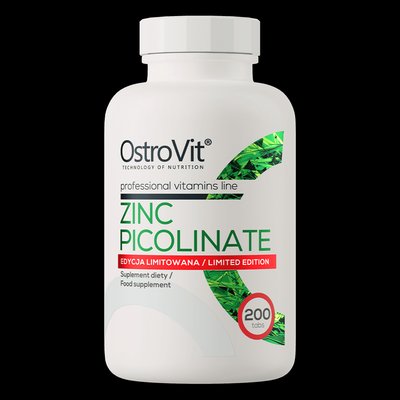 OstroVit Zinc Picolinate€7.90 In stock 200tabs are well-dosed zinc options suited to addressing genuine deficiency.
Myth 3: Maca is a proven aphrodisiac
Maca (Lepidium meyenii) has a long traditional use record, and some evidence supports its role in sexual function. A systematic review by Shin et al. (2010) found that maca supplementation was associated with improved sexual desire in some studies, though effect sizes were modest and evidence quality limited. Maca does not appear to work through hormonal pathways — testosterone and LH levels are not consistently altered — so calling it a testosterone booster is inaccurate. Calling it a mild libido-supportive adaptogen is closer to the evidence.
NOW Maca 500mg 250 veg. caps. and Ostrovit Maca 90tab are available at maxfit.ee for those interested in trying it.
Myth 4: Tribulus terrestris significantly raises testosterone
Tribulus is heavily marketed as a natural testosterone booster. Multiple human trials, however, including the review by Qureshi et al. (2014), have found no consistent effect on serum testosterone in healthy men. It may have some pro-erectile effects via nitric oxide pathways independent of testosterone, but the testosterone-boosting claim is not supported.
What the Evidence Actually Shows
The most consistent findings for men's health supplements relate to correcting genuine nutritional gaps: zinc for deficient men, vitamin D for men with low serum 25-OH-D (common in northern Europe including Estonia), and omega-3 for general cardiovascular health which underpins erectile function.
For prostate health, a large epidemiological literature supports lycopene (from tomatoes), selenium adequacy, and maintaining healthy body weight as meaningful modulators of prostate health over time — though most of this evidence is observational.
Grey Areas
Some combinations — ashwagandha for stress/cortisol, L-arginine for nitric oxide and vascular support, and zinc/magnesium combinations — have a plausible mechanistic basis and modest supporting evidence, but have not been tested rigorously enough to make strong claims. They are not magical solutions, but they are not snake oil either.
Bottom Line
Men's health supplements work best when they address real gaps: correcting zinc deficiency, supporting testosterone indirectly through adequate micronutrition, or modestly supporting desire through adaptogens like maca. Claims about directly enlarging erectile function or reliably treating benign prostate enlargement are not supported by current robust evidence. Consult a healthcare professional if you have prostate symptoms, as these warrant proper evaluation rather than a supplement-first approach.
FAQ
Does saw palmetto work for prostate support?
The evidence is mixed. The largest, most rigorous trial found no significant benefit over placebo. Smaller studies have shown modest effects. The honest answer is that saw palmetto may help some men but is not a reliable therapy and should not replace medical evaluation for prostate symptoms.
Can zinc supplements improve testosterone and potency?
Only if you have a genuine zinc deficiency. In men with adequate zinc levels, supplementation does not meaningfully raise testosterone. Zinc is essential, not miraculous beyond sufficiency.
Is there any supplement with good evidence for potency?
The best evidence for erectile function focuses on cardiovascular health — exercise, healthy weight, omega-3, and managing blood pressure and blood sugar. Among supplements specifically, L-arginine has some supporting data for mild vascular support, and maca has modest data for libido. Expectations should remain realistic.
References
Bent, S., Kane, C., Shinohara, K., Neuhaus, J., Hudes, E. S., Goldberg, H., & Avins, A. L. (2006). Saw palmetto for benign prostatic hyperplasia. New England Journal of Medicine, 354(6), 557-566. https://pubmed.ncbi.nlm.nih.gov/16467543/
Te, L., Liu, J., Ma, J., & Wang, S. (2011). Correlation between serum zinc and testosterone: A systematic review. Journal of Trace Elements in Medicine and Biology, 26(2-3), 105-110.
Shin, B. C., Lee, M. S., Yang, E. J., Lim, H. S., & Ernst, E. (2010). Maca (L. meyenii) for improving sexual function: a systematic review. BMC Complementary and Alternative Medicine, 10, 44.



