
Why Nutritional Status Matters for Male Sexual Health and Prostate Function
Potency and prostate health are not isolated concerns — they are downstream outcomes of systemic physiological balance. Several micronutrients are specifically involved in testosterone biosynthesis, prostate cell regulation, and erectile vascular function. When these nutrients are chronically low, the deficit contributes to a cluster of symptoms that men often attribute to ageing alone.
Deficiency Symptoms to Watch For
The following symptoms may signal a nutritional gap relevant to potency and prostate support. They are not diagnostic — consult a physician for evaluation:
- Reduced libido and erectile difficulty: zinc is a cofactor in testosterone synthesis; deficiency is associated with lower androgen levels (Prasad et al., 1996).
- Fatigue and low motivation: broadly linked to deficiencies in zinc, vitamin D, and B vitamins.
- Frequent nocturnal urination or incomplete bladder emptying: may reflect early benign prostatic hyperplasia (BPH); beta-sitosterol and saw palmetto-containing products are studied in this context.
- Mood changes and irritability: testosterone decline and vitamin D deficiency both affect mood regulation.
- Muscle weakness: low testosterone and vitamin D impair musculoskeletal function synergistically.
At-Risk Groups
- Men over 40: testosterone naturally declines and prostate volume tends to increase with age; nutritional support becomes more relevant.
- Men with low dietary zinc intake: zinc is found primarily in red meat, shellfish, and seeds; vegans and vegetarians are at particular risk of marginal zinc status.
- Men with low sun exposure: vitamin D deficiency is common in Nordic populations year-round and has been associated with lower testosterone in observational studies (Pilz et al., 2011).
- Overweight or obese men: adipose tissue converts testosterone to oestrogen via aromatase, lowering free testosterone; zinc and D deficiencies are also more common in obesity.
- Men under chronic stress: cortisol suppresses the hypothalamic-pituitary-gonadal axis, blunting testosterone production.
How It Is Tested
Relevant blood markers include:
- Serum zinc: low normal is typically below 10 mmol/L; hair mineral analysis is less reliable.
- Serum 25-hydroxyvitamin D: below 50 nmol/L is considered insufficient in most European guidelines; below 30 nmol/L is deficient.
- Total and free testosterone: morning blood draw is standard; values are age-referenced.
- PSA (prostate-specific antigen): relevant for prostate health monitoring in men over 50; a clinical decision, not a self-test.
In Estonia, these tests are available through primary care and private laboratories. A GP referral is the appropriate pathway.
Nordic and Estonian Context
Estonia's latitude creates predictable winter vitamin D deficiency. Combined with a traditional diet that has modernised towards less offal and seafood, zinc status in Estonian men deserves attention. Nordic epidemiological data consistently show lower testosterone levels in winter months compared to late summer, partly reflecting vitamin D seasonality.
When to Supplement vs Diet
For zinc: oysters, beef, pumpkin seeds, and hemp seeds are the richest dietary sources. If intake is adequate, additional supplementation offers limited benefit. ICONFIT Capsules Zinc N90 and MST Zinc Picolinate 100tabs are two in-stock zinc options at maxfit.ee that provide well-absorbed picolinate forms.
For vitamin D: supplementation is broadly recommended for adults in Estonia from October through April at minimum. Look for products that combine D3 with K2 for bone and vascular co-benefits.
For testosterone-supportive botanicals such as maca and tribulus, evidence is mixed. A systematic review found maca may improve self-reported sexual function but did not robustly raise testosterone levels in clinical trials (Shin et al., 2010). NOW Maca 500mg 100 veg. caps. and 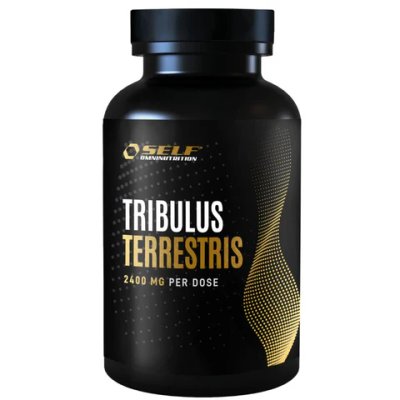 SELF Tribulus Terrestris€25.90 In stock 100tabs are available for those wishing to explore botanical options.
For prostate support specifically: zinc, selenium, and lycopene from tomato products have the most studied associations with prostate health maintenance in observational literature. No single supplement replaces medical screening.
FAQ
Can supplements replace testosterone therapy?
No. If bloodwork confirms clinically low testosterone, that is a medical matter. Supplements can address nutritional contributors but do not substitute for hormone replacement therapy when medically indicated.
How long before zinc and vitamin D supplementation show effects on energy and libido?
In men with documented deficiency, zinc normalisation may show effects on testosterone within six to twelve weeks (Prasad et al., 1996). Vitamin D benefits typically emerge over two to three months of consistent supplementation.
Is prostate supplement use safe at any age?
Generally yes for evidence-based micronutrients at recommended doses. Botanical extracts with hormonal activity (saw palmetto, maca) should be discussed with a physician if you have prostate disease or take medications.
References
Prasad, A. S., Mantzoros, C. S., Beck, F. W., Hess, J. W., & Brewer, G. J. (1996). Zinc status and serum testosterone levels of healthy adults. Nutrition, 12(5), 344–348. https://pubmed.ncbi.nlm.nih.gov/8875519/
Pilz, S., Frisch, S., Koertke, H., Kuhn, J., Dreier, J., Obermayer-Pietsch, B., Wehr, E., & Zittermann, A. (2011). Effect of vitamin D supplementation on testosterone levels in men. Hormone and Metabolic Research, 43(3), 223–225. https://pubmed.ncbi.nlm.nih.gov/21154195/
Shin, B. C., Lee, M. S., Yang, E. J., Lim, H. S., & Ernst, E. (2010). Maca (L. meyenii) for improving sexual function: a systematic review. BMC Complementary and Alternative Medicine, 10, 44. https://pubmed.ncbi.nlm.nih.gov/20691074/



