
Plant Protein Safety: What You Need to Know
Plant protein supplements — derived from sources such as pea, rice, hemp, and soy — have grown in popularity alongside plant-based diets. For the vast majority of healthy adults, plant protein safety is comparable to that of dairy-based proteins. That said, each source has unique characteristics, and some people experience more digestive discomfort with plant-based options than with whey.
Common Side Effects
The most reported side effects of plant protein supplementation are gastrointestinal: bloating, gas, and altered stool consistency. These effects are especially common with legume-based proteins such as pea and soy, which naturally contain oligosaccharides and lectins that can ferment in the large intestine.
Pea protein is generally considered to be among the better-tolerated plant proteins, while some people find hemp protein harder to digest due to its fibre content. Processing methods — including heating and enzymatic hydrolysis — reduce antinutrient loads and improve tolerability.
Antinutrients and Bioavailability
Unprocessed plant foods contain antinutrients (phytates, tannins, lectins) that can reduce the absorption of minerals such as iron, zinc, and calcium. In commercial plant protein concentrates and isolates, processing substantially reduces but may not eliminate these compounds. For people relying heavily on plant proteins as their sole protein source, it is worth ensuring adequate intake of micronutrients through diverse diet or supplementation.
The digestibility-corrected amino acid score (DIAAS) of most individual plant proteins is lower than that of casein or whey. Combining complementary plant sources — such as pea and rice — raises the overall amino acid profile (van Vliet et al., 2015).
Upper Safe Limits
The same general guidance that applies to animal protein applies to plant protein: total daily intakes up to approximately 2.2 g per kg of body weight are well within safe ranges for healthy, active adults (Morton et al., 2018). There is no evidence that plant protein isolates carry unique risks at these levels beyond those attributable to high protein intake generally.
Drug and Nutrient Interactions
Soy protein contains phytoestrogens (isoflavones). At typical supplement doses, soy isoflavones are unlikely to cause clinically meaningful hormonal effects in adults, but people taking hormone-sensitive medications or those with thyroid conditions metabolising soy may wish to consult a physician before supplementing heavily with soy protein.
As with casein, plant proteins can bind minerals. Iron and zinc absorption may be modestly reduced when consumed alongside large amounts of phytate-containing plant protein. Spacing mineral supplements from protein meals helps.
Who Should Exercise Caution
- People with soy, pea, or other legume allergies
- Individuals with thyroid disorders who rely heavily on soy protein
- People with irritable bowel syndrome (IBS) who may be sensitive to FODMAPs in legume-based proteins
- Those with kidney disease — consult a doctor before increasing protein intake significantly
Quality and Contamination
Heavy metal contamination has been a concern with some plant protein products. Rice protein in particular can accumulate inorganic arsenic from soil. Third-party testing programmes and Certificates of Analysis from reputable brands are the best safeguard.
At maxfit.ee you can explore vegan protein options including BIOTECHUSA Vegan Protein 500g Metsaviljad, BIOTECHUSA Vegan Protein 500g Vaniljeküpsis, and 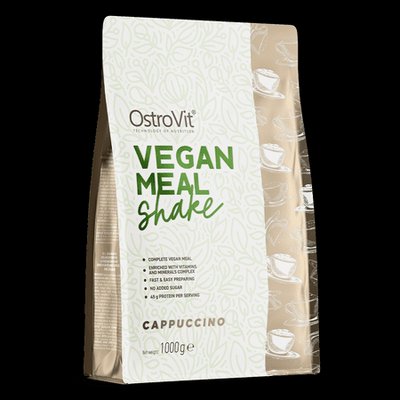 OstroVit Vegan Meal Shake 1000g Cappuccino€18.90 In stock. Browse the full range at the taimne valk category.
FAQ
Is plant protein as effective as whey protein for muscle building?
Pea and rice protein combinations can support muscle building comparably to whey when total daily protein and leucine content are matched. The key is ensuring an adequate total dose and a complementary amino acid profile.
Can plant protein cause bloating?
Yes — legume-based proteins such as pea and soy are common culprits. Choosing a high-quality isolate, starting with smaller servings, and staying well-hydrated can reduce digestive discomfort.
Is soy protein safe for men?
At typical supplement servings, soy protein does not meaningfully alter testosterone or oestrogen levels in healthy men, based on available clinical evidence. Extreme intakes over long periods have not been well studied.
References
van Vliet, S., Burd, N. A., & van Loon, L. J. C. (2015). The skeletal muscle anabolic response to plant- versus animal-based protein consumption. Journal of Nutrition, 145(9), 1981-1991.
Morton, R. W., Murphy, K. T., McKellar, S. R., Schoenfeld, B. J., Henselmans, M., Helms, E., ... & Phillips, S. M. (2018). A systematic review, meta-analysis and meta-regression of the effect of protein supplementation on resistance training-induced gains in muscle mass and strength in healthy adults. British Journal of Sports Medicine, 52(6), 376-384. https://pubmed.ncbi.nlm.nih.gov/28698222/



