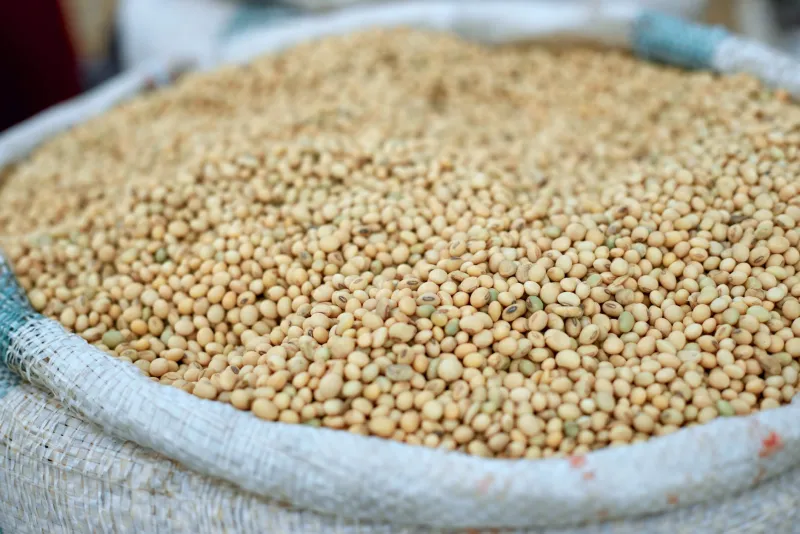
What Recent Trials Show About Plant Protein
Plant protein research has accelerated substantially over the past decade. Earlier literature consistently rated animal proteins as superior based on amino acid scoring methods (PDCAAS, DIAAS) and showed lower leucine content in most plant sources. However, recent randomised controlled trials have challenged how large this practical gap is for athletes consuming adequate total protein.
A well-designed 12-week trial comparing whey and pea protein in resistance-trained men found no significant difference in lean body mass, muscle thickness, or strength gains between groups (Banaszek et al., 2019). This finding has been replicated in several subsequent studies. The emerging picture is that, when dose is equalised and total daily protein targets are met, muscle protein synthesis responses and body composition outcomes are broadly comparable between high-quality plant and animal proteins.
Pea protein in particular has received substantial research attention. It has a relatively complete amino acid profile, higher leucine content than many other plant sources, and good digestibility when processed into isolate form. Brown rice protein has lower lysine but, when blended with pea protein, the two cover each other's limiting amino acids.
Shifts in Consensus
Several positions have moved meaningfully:
From "plant protein is inferior" to "dose and completeness matter most": The field has shifted from blanket inferiority claims toward a more nuanced view. High-quality plant protein isolates consumed at adequate doses — adjusted upward to account for somewhat lower leucine per gram — can support muscle protein synthesis effectively. Total daily protein intake and leucine threshold remain the key modulators.
Protein blends outperform single-source plant protein: A blend of pea and rice protein (or pea with other complementary sources) consistently scores better on DIAAS than either alone, and aligns the amino acid profile closer to animal protein benchmarks. Most commercially formulated plant protein products now use blends rather than single sources.
Digestibility matters and is improvable: Anti-nutritional factors (phytates, tannins, lectins) in whole plant foods reduce protein bioavailability. Processing into isolates removes most of these. Well-processed plant protein supplements have meaningfully higher digestibility than the corresponding whole food.
Still-Open Questions
- Anabolic equivalence at all ages: Most head-to-head plant vs animal protein trials have been conducted in young, resistance-trained adults. Whether the practical equivalence holds in older adults — where leucine threshold for muscle protein synthesis is higher — is an active research area.
- Long-term outcomes beyond 12 weeks: Most RCTs comparing plant and animal protein run 8–12 weeks. Longer-term data on lean mass accretion are limited.
- Whole food plant protein vs supplement: Whether lessons from supplement studies translate to whole-food plant diets, which carry different fibre, anti-nutrient, and micronutrient loads, is debated.
What It Means Practically
For athletes choosing plant protein:
- Choose a blend: Pea-rice blends, or multi-source plant protein products, provide a more complete amino acid profile than single-source options. BIOTECHUSA Vegan Protein 500g Vaniljeküpsis and BIOTECHUSA Vegan Protein 500g Banaan are multi-source formulations suited to post-workout use.
- Dose slightly higher: To match the leucine and total EAA content of a 25 g whey serving, aim for roughly 30–35 g of plant protein per serving, depending on the product's leucine content.
- Total daily protein remains the priority: The plant vs animal source debate matters much less than ensuring daily total protein targets are met. Athletes eating adequate total calories and protein from varied plant sources can support muscle building effectively.
- Vegan meal shakes as alternatives:
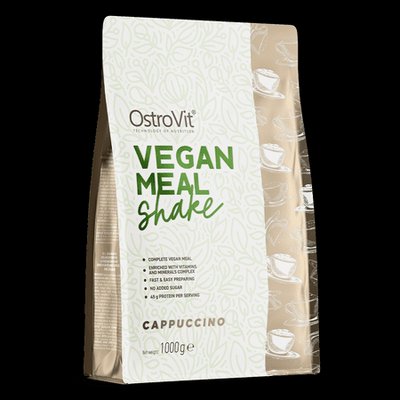 OstroVit Vegan Meal Shake 1000g Cappuccino€18.90 In stock and OstroVit Vegan Meal Shake 1000g Maasikas combine plant protein with carbohydrates for athletes who need both macronutrients in a single serving.
Plant-based proteins are available at maxfit.ee.
Bottom Line
Plant protein research has significantly closed the perceived gap between plant and animal protein for muscle building. With well-formulated blends, adequate dosing, and sufficient total daily protein, plant protein can support athletic goals comparably to animal sources for most trainees. The practical recommendation: choose a blend, dose generously, and prioritise hitting total daily protein targets over worrying about source hierarchy.
References
Banaszek, A., Townsend, J. R., Bender, D., Vantrease, W. C., Marshall, A. C., & Johnson, K. D. (2019). The effects of whey vs. pea protein on physical adaptations following 8-weeks of high-intensity functional training. Sports, 7(1), 12. https://pubmed.ncbi.nlm.nih.gov/30621129/
Vandewalle, M., Vanhemelrijck, M., & Crombez, G. (2022). Comparison of plant and animal proteins on muscle protein synthesis: A systematic review. Nutrients, 14(9), 1860.
Moore, D. R., Camera, D. M., Areta, J. L., & Hawley, J. A. (2014). Beyond muscle hypertrophy: why dietary protein is important for endurance athletes. Applied Physiology, Nutrition, and Metabolism, 39(9), 987–997. https://pubmed.ncbi.nlm.nih.gov/24806440/
FAQ
Can plant protein build as much muscle as whey protein?
Recent evidence suggests that when total protein intake is adequate and a high-quality plant protein blend is used, muscle building outcomes are broadly comparable to whey protein. The dose per serving may need to be slightly higher to match leucine content.
Which plant protein sources are most complete?
Soy protein has the most complete amino acid profile among plant sources and the highest DIAAS score. Pea protein is close and is better tolerated than soy by many people. Pea-rice blends cover each other's limiting amino acids well. Hemp protein is nutritious but lower in leucine and overall protein density.
Do I need to combine plant proteins at every meal?
The old rule of combining complementary proteins at every meal is outdated. Research shows that amino acid pools are shared across meals, so variety over the course of the day is sufficient. Eating a mix of legumes, grains, nuts, and seeds across the day covers requirements without precise meal-by-meal combining.



