Is Long-Term Plant Protein Use Safe?
Plant protein long term use has become a mainstream topic as more athletes, fitness enthusiasts, and health-conscious consumers shift toward plant-based diets. Whether you are using pea, rice, hemp, or soy protein, the central questions are the same: is it safe to rely on plant protein as your primary protein supplement for months or years, and are there any considerations specific to this source category?
What Long-Term Studies Show
Plant-based diets and their protein components have been studied for health outcomes over extended periods. A comprehensive review found that well-planned plant-based diets, including those relying on plant protein supplements, are nutritionally adequate and may offer health benefits for the prevention of certain chronic diseases (Craig & Mangels, 2009). More directly relevant to supplementation, no safety signals specific to plant protein powders (pea, rice, soy) have been identified in the peer-reviewed literature when used at amounts consistent with general protein recommendations.
Soy protein — the most studied plant protein for long-term use — has a well-established safety record. A review of soy protein research confirmed that soy foods and supplements are safe for the general population and do not adversely affect thyroid function, hormone levels, or reproductive health in healthy adults (Messina, 2010).
Upper Safe Limits Over Time
Plant protein supplements are typically lower in one or more essential amino acids compared with animal-source proteins. Leucine, lysine, and methionine are the amino acids most commonly limited in plant proteins. This is not a safety concern per se, but it matters for efficacy: if plant protein is your sole protein source and total intake is low, muscle protein synthesis may be suboptimal.
The practical solution is either to use a higher total dose to achieve the same leucine threshold, or to combine protein sources (e.g., pea plus rice) to obtain a more complete amino acid profile. Products like BIOTECHUSA Vegan Protein 500g Metsaviljad, BIOTECHUSA Vegan Protein 500g Šokolaadi-kaneeli, and 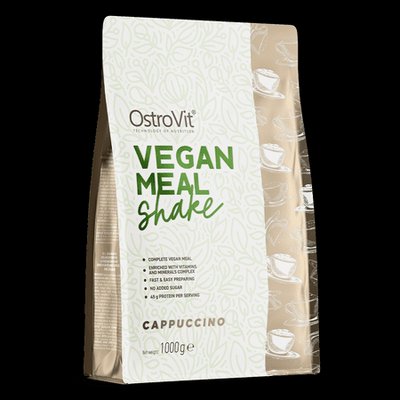 OstroVit Vegan Meal Shake 1000g Cappuccino€18.90 In stock available at maxfit.ee use blended plant proteins to address this.
Do You Need to Cycle Plant Protein?
There is no scientific basis for cycling plant protein supplements for health reasons. Protein — plant or animal — is a macronutrient, not a pharmacological agent. The body does not become desensitised to dietary protein or less efficient at using it with continuous intake.
Switching between protein types periodically (e.g., soy one month, pea the next) can be a reasonable approach for dietary variety and to ensure a wide amino acid spectrum over time, but it is not a safety requirement.
Monitoring
For people relying on plant protein as their primary or sole protein supplement over the long term, a few monitoring points are relevant:
- Vitamin B12: Plant foods contain no bioavailable B12. If your overall diet is plant-based, B12 supplementation is necessary regardless of how much plant protein you consume.
- Iron: Plant-source iron (non-haem) is less bioavailable than haem iron from animal sources. Regular dietary assessment or a periodic ferritin check is worthwhile if plant protein dominates your diet.
- Digestibility: Plant proteins can cause more bloating for some individuals compared with whey or casein, partly due to residual fibre and antinutrients in some formulations. Highly refined pea or rice protein isolates tend to be better tolerated.
- Heavy metals: A handful of independent testing reports have found elevated heavy metals in some plant protein products. Choosing reputable brands with third-party testing mitigates this risk.
Honest Verdict
Long-term plant protein use is safe for healthy adults when total protein intake meets needs, the amino acid profile is considered (by blending sources or using higher total amounts), and the broader dietary context is sound. The evidence base for safety is robust for soy and emerging but encouraging for pea and rice protein. There is no need to cycle and no demonstrated harm from continuous use. For vegans and vegetarians who cannot or choose not to use dairy-based proteins, plant protein powders are a practical and safe long-term solution.
You can explore plant-based options in the vegan protein category at maxfit.ee.
FAQ
Is pea protein safe for long-term daily use?
Yes. Pea protein has no known long-term safety issues in healthy adults. It is relatively low in methionine, so pairing it with a rice protein or ensuring dietary methionine from other sources is a practical consideration for those using it as their sole protein.
Can plant protein cause hormonal imbalances over time?
The best-studied plant protein in this context is soy, which contains phytoestrogens. Research reviews in healthy adults have not found that soy supplementation at typical doses causes clinically significant hormonal changes (Messina, 2010). Other plant proteins (pea, rice, hemp) do not contain significant phytoestrogen levels.
How much plant protein per day is too much?
No tolerable upper limit for plant protein has been established for healthy adults. Practical limits are set by caloric constraints and digestive tolerance rather than a fixed safety threshold.
References
Craig, W. J., & Mangels, A. R. (2009). Position of the American Dietetic Association: vegetarian diets. Journal of the American Dietetic Association, 109(7), 1266-1282. https://pubmed.ncbi.nlm.nih.gov/19562864/
Messina, M. (2010). Soybean isoflavone exposure does not have feminizing effects on men: a critical examination of the clinical evidence. Fertility and Sterility, 93(7), 2095-2104. https://pubmed.ncbi.nlm.nih.gov/20378106/
van Vliet, S., et al. (2015). The skeletal muscle anabolic response to plant- versus animal-based protein consumption. Journal of Nutrition, 145(9), 1981-1991.



