Plant Protein for Women: An Overview
Plant protein for women has grown from a niche vegan consideration into a mainstream discussion. Active women increasingly choose plant-based protein supplements for reasons ranging from digestive preference and lactose avoidance to sustainability values and varied dietary philosophy. Understanding what the evidence actually says — and where genuine limitations lie — helps women make informed choices.
Why Women May Need Plant Protein
Adequate protein intake is essential for muscle maintenance, hormonal health, immune function, and bone density. Women in particular face periods of elevated protein need:
- Premenopausal active women require protein distributed throughout the day to support muscle protein synthesis after resistance and endurance training.
- Pregnant and lactating women have increased protein needs that can be met through plant sources combined thoughtfully.
- Menopausal women experience accelerated loss of lean mass as estrogen declines; protein intake adequacy and distribution matters more, not less, during this phase (Paddon-Jones & Leidy, 2014).
Hormonal and Life-Stage Notes
Soy protein — the most studied plant protein — contains isoflavones, which are phytoestrogens. Concerns that soy disrupts female hormonal balance are not supported by current evidence at typical dietary intakes. A review of multiple clinical studies found no significant effects on reproductive hormones in premenopausal women consuming typical amounts of soy protein (Messina, 2010).
For women with thyroid conditions, large doses of raw soy may interact with thyroid function — but this concern relates to very high intakes of unprocessed soy, not to isolated soy protein consumed at supplement doses. Pea and rice protein blends are entirely neutral hormonally and are a practical default for women who prefer to avoid soy entirely.
Amino Acid Completeness
The practical limitation of plant proteins relative to animal sources is amino acid profile. Most single plant proteins are low in at least one essential amino acid — pea protein is relatively low in methionine, rice protein in lysine. Combining pea and rice protein achieves a complete amino acid profile that rivals whey (van Vliet et al., 2015).
The protein digestibility-corrected amino acid score (PDCAAS) of isolated pea protein approaches that of casein and soy. Leucine content — the key trigger for muscle protein synthesis — is lower in most plant proteins than in whey, which may mean slightly larger portions are needed to achieve the same anabolic signal.
Dose Considerations
To compensate for the lower leucine density of plant proteins, women may benefit from a slightly higher per-serving dose than they would use with whey or casein — typically 30–40 g of protein per serving. Distributing protein across three to four meals and a post-workout shake supports around-the-clock muscle protein turnover.
At maxfit.ee, BIOTECHUSA Vegan Protein 500g Vaniljeküpsis and BIOTECHUSA Vegan Protein 500g Šokolaadi-kaneeli offer complete plant protein blends. 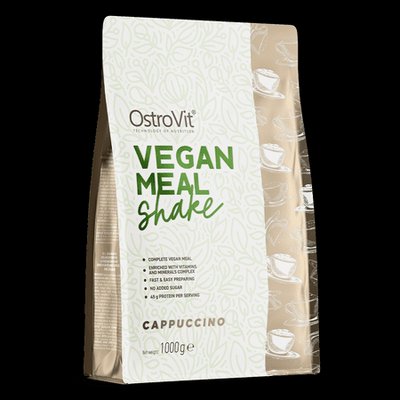 OstroVit Vegan Meal Shake 1000g Cappuccino€18.90 In stock and OstroVit Vegan Meal Shake 1000g Maasikas provide a meal-replacement format with added vitamins and minerals suited to higher-demand periods. BIOTECHUSA Vegan Protein 500g Metsaviljad is a further flavour option. Full category: /et/category/taimepohine-valk-veganitele.
Pregnancy and Safety Notes
Plant protein supplements from pea, rice, hemp, and soy are generally considered safe during pregnancy when they are free from contaminants and consumed at moderate doses. Unlike whole soy foods, isolated soy protein is lower in isoflavones per gram. Pregnant women should prioritise diverse whole food protein sources; supplemental plant protein can help fill gaps. Herbal botanical protein powders that include non-standard additives should be scrutinised for safety during pregnancy.
Bottom Line
Plant protein for women is a legitimate, evidence-supported choice for muscle maintenance, satiety, and dietary flexibility. Pea-rice blends achieve near-complete amino acid profiles. Hormonal concerns around soy are not supported by evidence at typical intakes. Women may need slightly larger portions of plant protein compared to animal protein to match the anabolic stimulus per serving, but consistent daily protein distribution matters more than the source.
References
Paddon-Jones, D., & Leidy, H. (2014). Dietary protein and muscle in older persons. Current Opinion in Clinical Nutrition and Metabolic Care, 17(1), 5-11. https://pubmed.ncbi.nlm.nih.gov/24310053/
Messina, M. (2010). Soybean isoflavone exposure does not have feminizing effects on men: a critical examination of the clinical evidence. Fertility and Sterility, 93(7), 2095-2104. https://pubmed.ncbi.nlm.nih.gov/20378106/
van Vliet, S., et al. (2015). The skeletal muscle anabolic response to plant- versus animal-based protein consumption. Journal of Nutrition, 145(9), 1981-1991.
FAQ
Can women with hormonal issues take plant protein?
For most hormonal conditions, plant protein is safe. Pea, rice, and hemp proteins are hormonally neutral. Soy protein at typical supplement doses does not significantly affect estrogen, testosterone, or thyroid hormones in healthy women based on available clinical evidence. Women with specific thyroid conditions should discuss very high soy intakes with a physician, though isolated soy protein at normal doses is generally not a concern.
Is plant protein good for women trying to lose weight?
Protein in general — plant or animal — supports satiety and lean mass preservation during caloric restriction. High protein intake helps prevent the loss of muscle mass that often accompanies fat loss. Plant protein is no less effective than animal protein for this purpose at equivalent doses, and meal-replacement plant protein shakes can simplify calorie management.
Do I need to combine plant proteins at every meal?
Not necessarily. The "complete protein at every meal" rule has been relaxed by nutrition science. As long as you consume a variety of plant protein sources throughout the day, essential amino acid needs are met. Combining pea and rice in a single supplement is simply a convenient way to ensure completeness without relying on careful meal planning.



