
Understanding Plant Protein Absorption
Plant protein absorption is shaped by two interconnected challenges: antinutrients that interfere with digestion, and amino acid profiles that differ from animal proteins. Understanding both helps you make smarter choices — whether you are fully plant-based or simply adding more variety to your diet.
Animal proteins are generally considered "complete" — they contain all nine essential amino acids in roughly the proportions the body requires. Most plant proteins are low in one or more essential amino acids, most commonly lysine (in grains), methionine (in legumes), or tryptophan. This does not make plant proteins inferior overall, but it does mean strategy matters more.
A systematic review and meta-analysis found that plant protein sources resulted in somewhat lower muscle protein synthesis responses than whey at equivalent nitrogen doses, but that the gap could be substantially closed by increasing the dose or combining complementary plant proteins (van Vliet et al., 2015).
What Limits Plant Protein Absorption
Antinutrients. Several compounds naturally present in plant foods reduce protein digestibility:
- Phytic acid (phytate) — found in legumes, grains, and seeds. Binds mineral ions and can form complexes with proteins, reducing both mineral absorption and protein digestibility.
- Trypsin inhibitors — present in raw legumes (soybeans, chickpeas, lentils). They inhibit the protease trypsin, reducing protein breakdown. Heat treatment largely deactivates them.
- Tannins — polyphenols in many legumes and grains that can bind dietary protein and reduce its enzymatic hydrolysis.
- Lectins — carbohydrate-binding proteins in many plant foods; proper cooking deactivates them and their effect on protein absorption in heat-treated foods is minimal.
Incomplete amino acid profile. Even if a plant protein is well-digested, if it is low in a limiting amino acid, leucine particularly matters for stimulating muscle protein synthesis. Leucine acts as a metabolic trigger for mTOR signalling.
Lower leucine content. Pea protein, one of the most popular plant proteins, has a good amino acid profile but is lower in leucine relative to whey. A study comparing pea protein to whey found similar gains in muscle thickness during a resistance training programme, but the pea protein group consumed a dose that compensated for the lower leucine content (Babault et al., 2015).
Cofactors That Support Plant Protein Absorption
Vitamin C with plant-based meals. Vitamin C enhances non-haem iron absorption, which is relevant because many plant proteins (legumes, seeds) are consumed alongside iron-containing foods. While this does not directly affect protein digestion, it improves overall nutritional value of plant-based meals.
Digestive enzymes. Broad-spectrum plant-based digestive enzyme supplements that include protease, amylase, cellulase, and phytase can meaningfully reduce the antinutrient burden and improve macronutrient breakdown from plant foods.
Fermentation. Foods like tempeh, miso, and natto have undergone fermentation that pre-digests proteins and reduces phytate content, making their amino acids substantially more bioavailable.
Form and Timing Effects
Protein powders vs whole foods. Commercial plant protein powders (pea isolate, rice protein, hemp protein, soy protein isolate) are processed to remove much of the fibre, phytate, and other antinutrients, resulting in substantially better digestibility than the whole-food source. Pea protein isolate, for example, has a digestibility that approaches that of animal proteins.
Complementary protein combining. Combining pea protein (high in lysine, lower in methionine and cystine) with rice protein (higher in methionine and cystine, lower in lysine) creates a more complete amino acid profile. Many commercial plant protein blends already use this strategy.
Timing. The principles of post-training protein timing apply equally to plant proteins. Consuming plant protein within a couple of hours of training captures the anabolic window. Because plant proteins may require a slightly higher dose to match the leucine content of whey, a slightly larger portion may be appropriate post-training.
Food Pairings That Improve Plant Protein Absorption
- Sprouting and soaking legumes before cooking reduces phytate and trypsin inhibitor content, improving protein digestibility.
- Cooking deactivates trypsin inhibitors and lectins in most legumes — raw or undercooked legumes should be avoided.
- Combining grains and legumes at the same meal (e.g., rice and lentils, hummus and whole-grain bread) creates a complete essential amino acid profile.
- Including acidic foods (tomatoes, citrus, vinegar-based dressings) may help reduce phytate interference at plant-rich meals.
Practical Tips to Maximise Plant Protein Absorption
- Choose processed plant protein powders over raw whole-food sources when protein quality is the priority — isolates have removed most antinutrients.
- Combine complementary sources: pea + rice protein powders cover each other's limiting amino acids.
- Increase your dose slightly: because the leucine content is lower per gram of protein, a somewhat larger serving compensates when muscle protein synthesis is the goal.
- Cook legumes properly — soaking overnight and boiling thoroughly deactivates the main antinutrients.
- Consider a digestive enzyme supplement with protease and phytase if bloating from legumes is a recurring issue.
Products available at maxfit.ee include BIOTECHUSA Vegan Protein 500g Metsaviljad, BIOTECHUSA Vegan Protein 500g Vaniljeküpsis, and 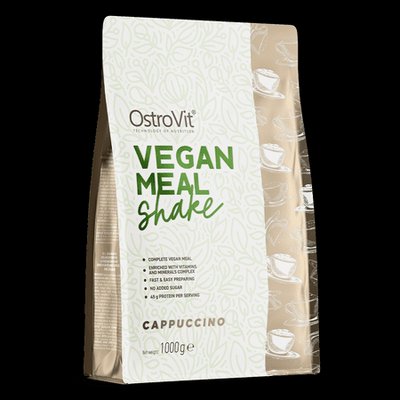 OstroVit Vegan Meal Shake 1000g Cappuccino€18.90 In stock from the plant-based protein category.
FAQ
Do I need to combine plant proteins at every meal?
The older advice to combine complementary proteins at the same meal has been largely revised. If you consume a variety of plant proteins across the day, your overall essential amino acid intake will typically be adequate. Combining at the same meal is still convenient and provides a more complete leucine trigger per serving.
Is soy protein as effective as whey for muscle building?
Soy protein is the most complete plant protein and has been the most studied. Research suggests it produces somewhat lower acute muscle protein synthesis than whey, but the long-term differences in muscle mass gains when doses are adequate are modest. For those avoiding dairy, soy is an excellent primary protein source.
Can plant proteins meet the needs of strength athletes?
Yes, with appropriate dose and variety. Studies show that plant-based athletes can achieve similar muscle and strength outcomes to omnivorous athletes when total protein intake is matched and leucine-rich sources are prioritised.
References
van Vliet, S., Burd, N. A., & van Loon, L. J. (2015). The skeletal muscle anabolic response to plant- versus animal-based protein consumption. Journal of Nutrition, 145(9), 1981-1991.
Babault, N., Pazaitis, C., Deley, G., Guerin-Deremaux, L., Saniez, M. H., Lefranc-Millot, C., & Allaert, F. A. (2015). Pea proteins oral supplementation promotes muscle thickness gains during resistance training: a double-blind, randomized, placebo-controlled clinical trial vs. whey protein. Journal of the International Society of Sports Nutrition, 12(1), 3. https://pubmed.ncbi.nlm.nih.gov/25628520/
Mitchell, C. J., McGregor, R. A., D'Souza, R. F., Thorstensen, E. B., Markworth, J. F., Fanning, A. C., Aasen, K. M. M., Cameron-Smith, D., & Rowlands, D. S. (2015). Consumption of milk protein or whey protein results in a similar increase in muscle protein synthesis in middle aged men. Nutrients, 7(10), 8685-8699. https://pubmed.ncbi.nlm.nih.gov/26506377/



