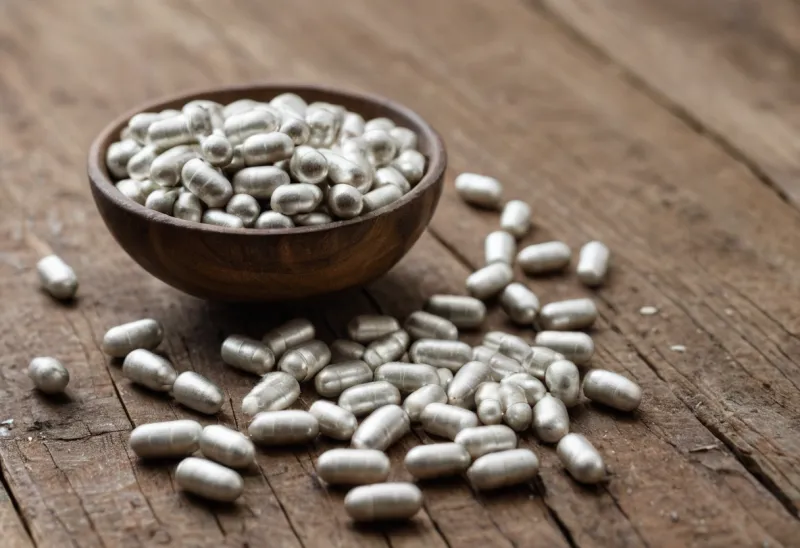
All Magnesium Forms Ranked by Bioavailability: 2025 Update
Magnesium supplements come in dozens of different forms. But not all forms are created equal — bioavailability differences are massive, ranging from ~4% to ~80%. This means your choice of form directly impacts how much magnesium your body actually absorbs.
Complete Bioavailability Ranking
The following ranking is based on published research, including Firoz & Graber (2001), Walker et al. (2003), and Lindberg et al. (1990). Bioavailability numbers are approximate, as they vary between studies and measurement methods.
| Rank | Form | Bioavailability | Elem. Mg % | Best Use | GI Tolerance |
|---|---|---|---|---|---|
| 1 | Glycinate | ~80% | ~14% | Sleep, calming | Excellent |
| 2 | Taurate | ~75% | ~9% | Heart health, calming | Excellent |
| 3 | Citrate | ~65% | ~16% | General, digestion | Good |
| 4 | Malate | ~60% | ~15% | Energy, muscles | Very good |
| 5 | Threonate | ~55% | ~8% | Cognitive health | Good |
| 6 | Orotate | ~50% | ~7% | Heart health | Good |
| 7 | Lactate | ~45% | ~12% | General | Good |
| 8 | Chloride | ~30% | ~12% | Digestion | Fair |
| 9 | Sulfate | ~20% | ~10% | External (Epsom salt) | Poor |
| 10 | Oxide | ~4% | ~60% | Laxative | Poor |
Important nuance: A high elemental magnesium percentage (like oxide's ~60%) does not mean better absorption. From oxide with ~60% elemental Mg, only ~4% absorbs, yielding ~2.4% actual uptake. From glycinate with ~14% elemental Mg, ~80% absorbs, yielding ~11.2% actual uptake — nearly 5x more.
Detailed Form Overview
1. Magnesium Glycinate (~80%)
Shop this category — in stock now
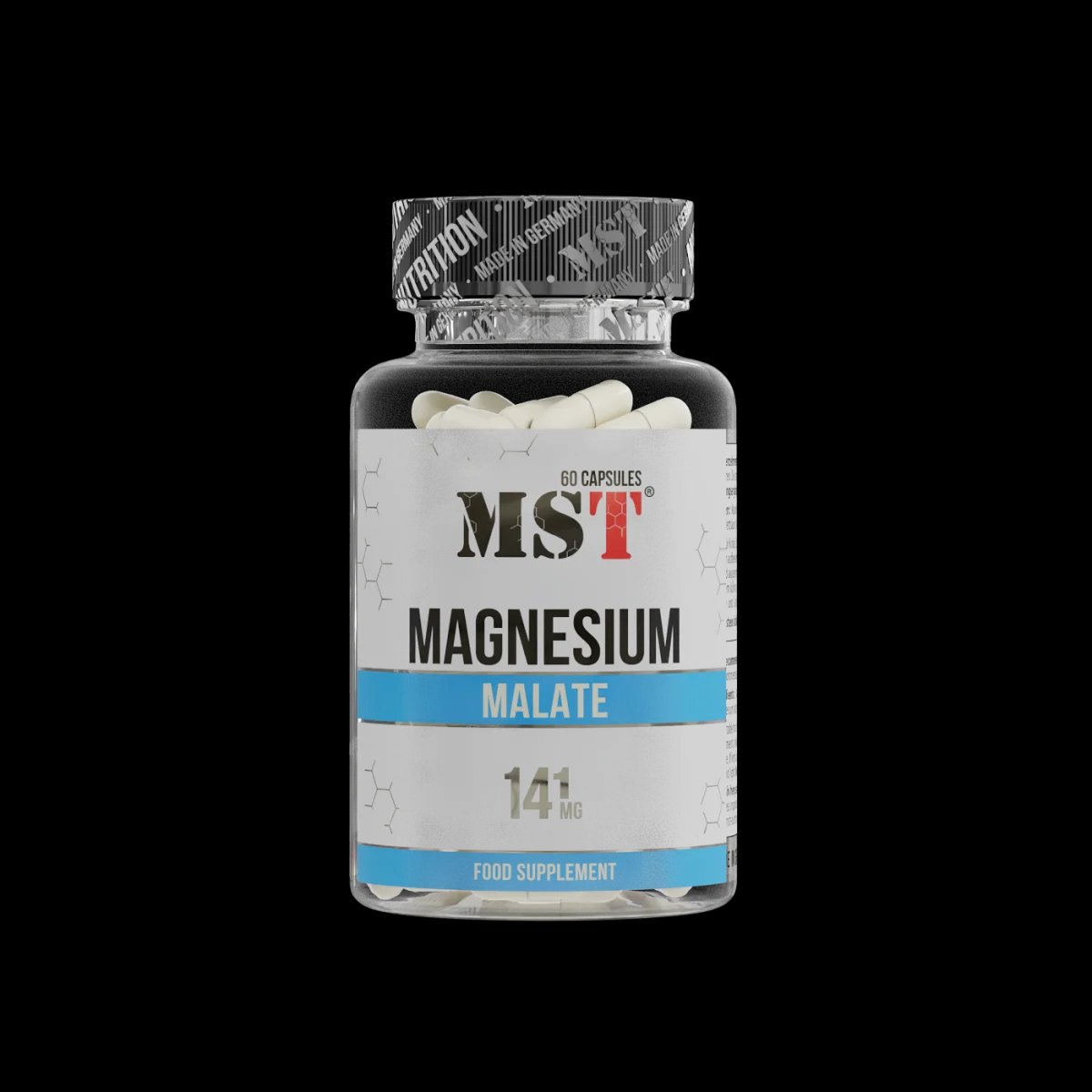
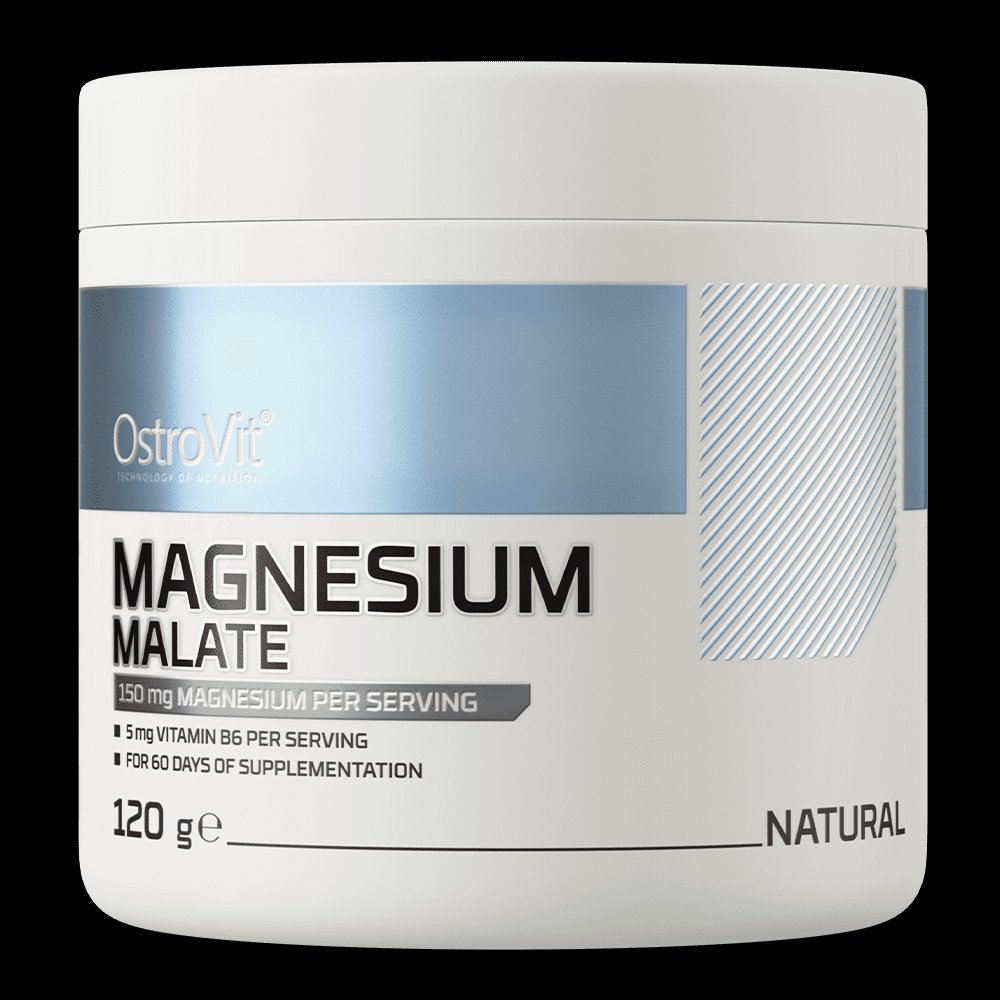
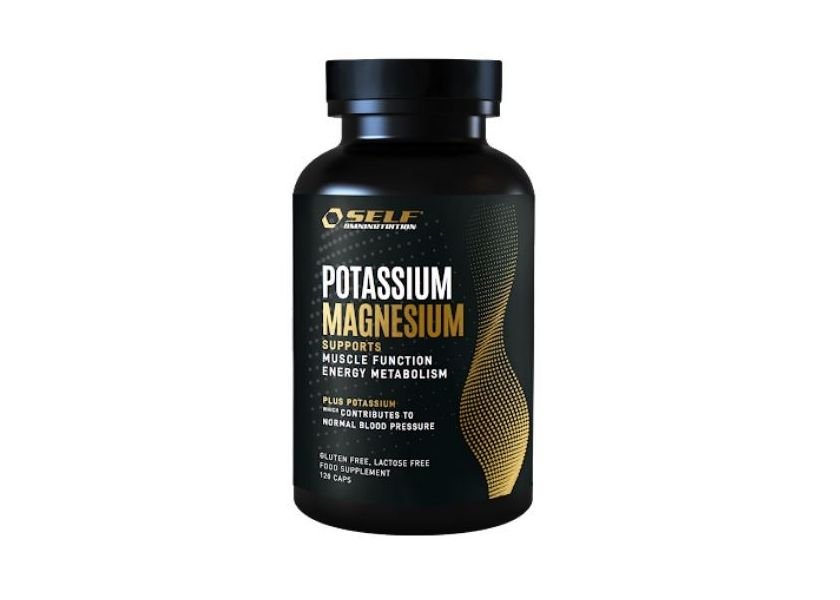
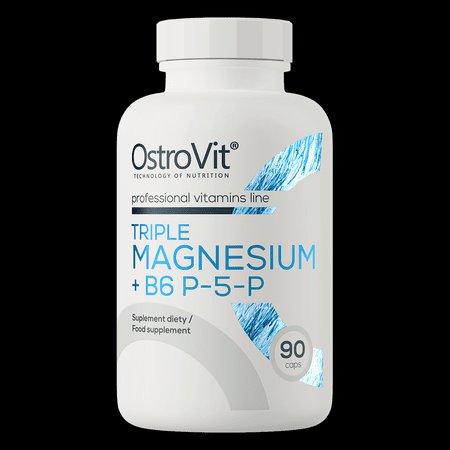
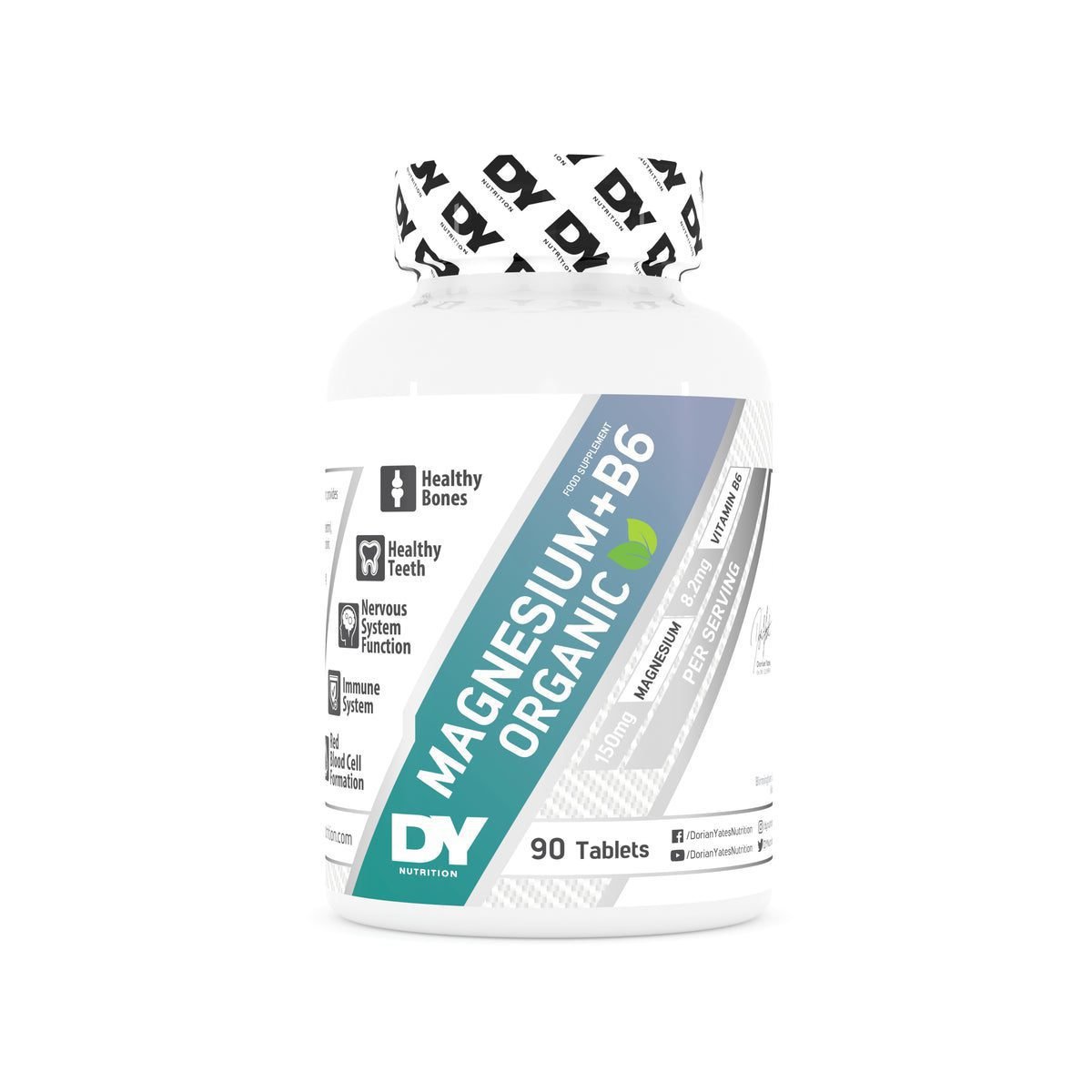
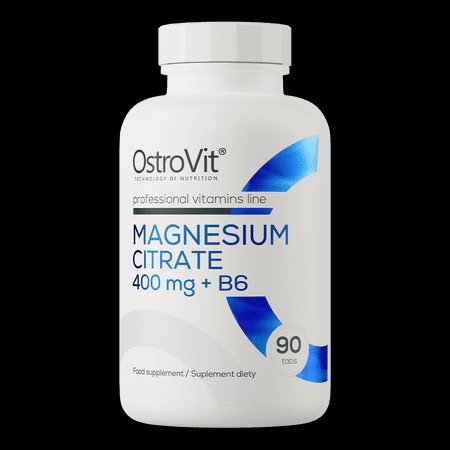
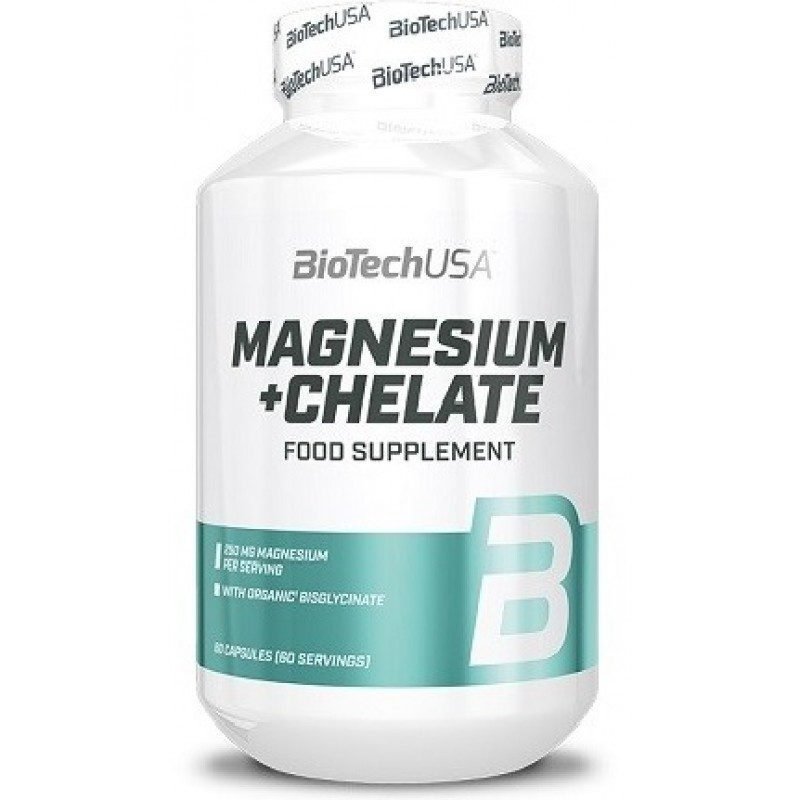
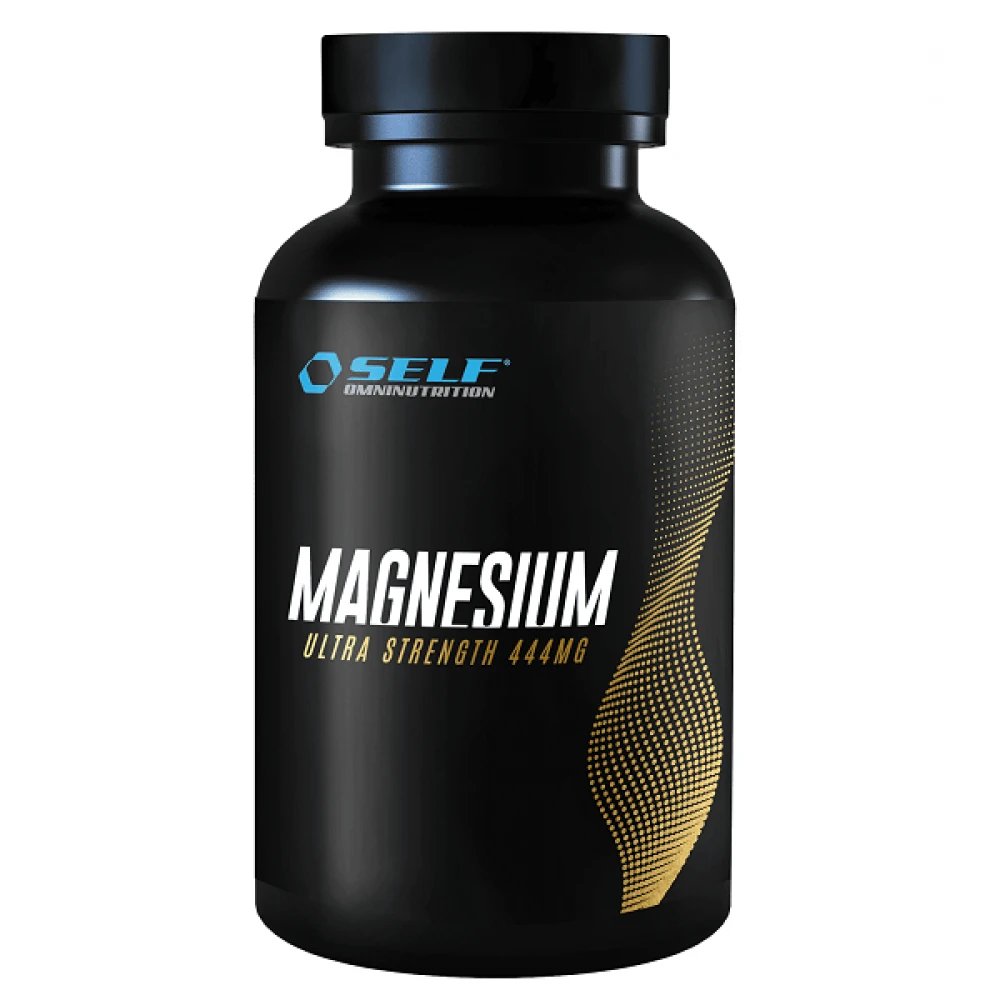
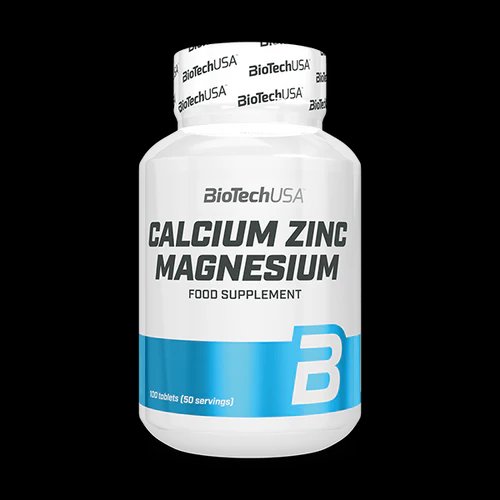
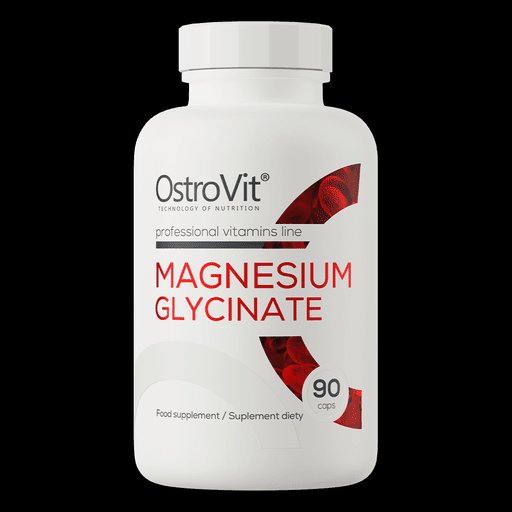
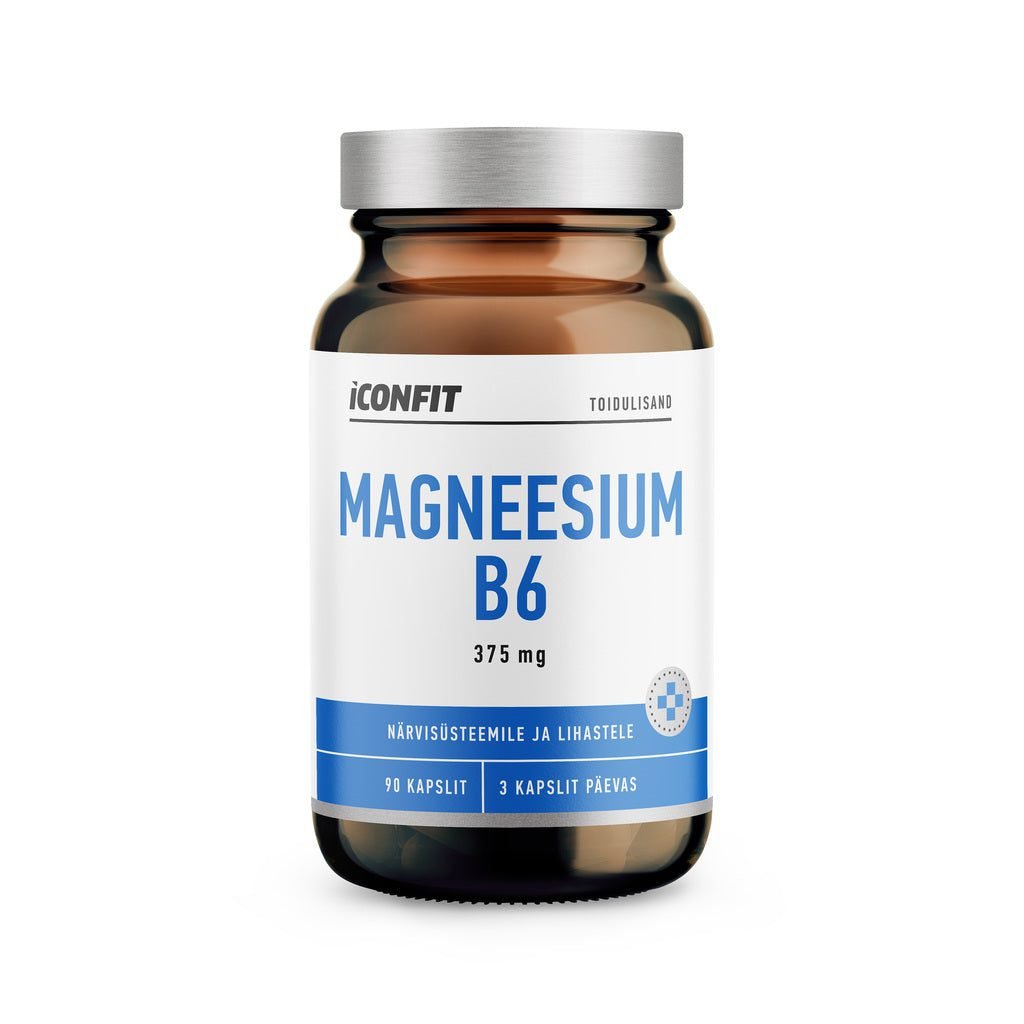
A compound of magnesium and the amino acid glycine. Walker et al. (2003) confirmed its high bioavailability.
Advantages: Highest bioavailability, glycine's calming effect, minimal GI burden Best for: Sleep, relaxation, anxiety, sensitive stomachs EFSA: "Magnesium contributes to normal functioning of the nervous system"
2. Magnesium Taurate (~75%)
Magnesium bonded to taurine — an amino acid that supports the heart and nervous system.
Advantages: High bioavailability, taurine's cardioprotective effect, calming Best for: Heart health, blood pressure, relaxation
3. Magnesium Citrate (~65%)
Magnesium bonded to citric acid. Lindberg et al. (1990) showed it absorbs 4.5x better than oxide.
Advantages: Good bioavailability, widely available, affordable Best for: General magnesium intake, digestion EFSA: "Magnesium contributes to electrolyte balance"
4. Magnesium Malate (~60%)
Magnesium bonded to malic acid (a Krebs cycle component).
Advantages: Supports energy metabolism, good bioavailability Best for: Energy, fatigue, athletes, morning use EFSA: "Magnesium contributes to normal energy-yielding metabolism"
5. Magnesium Threonate (~55%)
Magnesium bonded to L-threonic acid. Unique because it crosses the blood-brain barrier more efficiently.
Advantages: The only form shown to effectively cross the blood-brain barrier in animal studies Best for: Cognitive function, memory, brain health
6–10. Lower Bioavailability Forms
Orotate (~50%): Magnesium + orotic acid. Studied in the context of heart health. Lactate (~45%): Good bioavailability, neutral taste. Firoz & Graber (2001) confirmed better bioavailability compared to oxide. Chloride (~30%): Also used topically (magnesium oil). Sulfate (~20%): Known as Epsom salt, primarily for baths. Oxide (~4%): Lowest bioavailability, most common in pharmacies due to price.
Practical Summary: How to Choose
Your choice should depend on your primary goal:
- Sleep and relaxation → Glycinate
- Energy and sports → Malate
- Heart health → Taurate
- Brain and memory → Threonate
- General health → Citrate
- Digestion → Citrate
- Budget → Citrate (best value for money)
Stacking Strategy
Many people use multiple forms throughout the day:
- Morning: Malate (energy)
- Afternoon: Citrate (general)
- Evening: Glycinate (sleep and relaxation)
Estonian Context
Magnesium oxide still dominates Estonian pharmacies due to its low price. But more and more people understand that a cheap price means low bioavailability. Specialized stores like MaxFit.ee offer high-bioavailability forms that ensure better magnesium absorption.
Key Takeaways
- Bioavailability ranges from ~4% (oxide) to ~80% (glycinate) — a 20-fold difference
- High elemental Mg percentage does not mean better absorption
- Glycinate, taurate, and citrate are the best for overall bioavailability
- Form choice depends on your primary goal: sleep, energy, heart, brain, general
- Stacking multiple forms throughout the day is a common strategy
- Firoz & Graber (2001) and Walker et al. (2003) confirm organic forms' superiority
- Cheap oxide in pharmacies is not the best investment in your health
Dietary supplements are not a substitute for a varied, balanced diet and healthy lifestyle.
References
- Firoz, M. & Graber, M. (2001). Bioavailability of US commercial magnesium preparations. Magnesium Research, 14(4), 257-262.
- Walker, A.F., Marakis, G., Christie, S. & Byng, M. (2003). Mg citrate found more bioavailable than other Mg preparations in a randomised, double-blind study. Magnesium Research, 16(3), 183-191.
- Lindberg, J.S., Zobitz, M.M., Poindexter, J.R. & Pak, C.Y. (1990). Magnesium bioavailability from magnesium citrate and magnesium oxide. Journal of the American College of Nutrition, 9(1), 48-55.
Browse our magnesium selection at MaxFit.ee →
See also magnesium glycinate →