What to Stack with Multivitamins: Synergies and Conflicts
Multivitamins stacking is common practice — most athletes take a multivitamin alongside protein, creatine, and other targeted supplements. The challenge is that a good multivitamin already contains meaningful doses of many micronutrients. Stacking additional single-nutrient supplements on top creates real potential for redundancy, competition, and in the case of fat-soluble vitamins, accumulation. This guide helps you build a smarter stack.
Evidence-Based Synergies
Multivitamin + omega-3. Most multivitamins do not contain omega-3 fatty acids (EPA and DHA). Omega-3s support cardiovascular health, reduce exercise-induced inflammation, and are associated with improved body composition in athletes (Smith et al., 2011). Because omega-3 and the fat-soluble vitamins in a multivitamin (A, D, E, K) are both absorbed with dietary fat, taking them together with a meal that contains fat maximises absorption of all of them simultaneously.
Multivitamin + protein. Protein synthesis requires B vitamins (particularly B6 and B12) as cofactors. A multivitamin that covers B-complex vitamins complements a protein supplement, ensuring you have the cofactors needed to use the amino acids effectively.
Multivitamin + magnesium. Most entry-level multivitamins include only small amounts of magnesium — rarely enough to cover the increased needs of physically active individuals. A targeted magnesium supplement alongside the multivitamin is one of the more well-justified additions for athletes.
Multivitamin + zinc (if not already adequate). Check your multivitamin's zinc content before adding standalone zinc. Many athlete-formulated multivitamins include zinc at meaningful doses. If the multivitamin already provides the recommended amount, a separate zinc supplement is redundant and can displace copper absorption.
Antagonistic Combinations
Double-dosing fat-soluble vitamins (A, D, E, K). This is the most common mistake in multivitamin stacking. A multivitamin that provides a full RDA of vitamin D, combined with a standalone vitamin D supplement, combined with fortified foods, can push total intake well above the upper tolerable level over time. Unlike water-soluble vitamins (which excrete any excess in urine), fat-soluble vitamins accumulate in adipose tissue and the liver.
Calcium and magnesium competition. Both multivitamins and standalone mineral supplements may contain calcium and magnesium. These compete for the same transporters. If your multivitamin already covers both adequately, adding a standalone calcium-magnesium product is likely to cause more competition than benefit.
Zinc and copper displacement. Zinc supplementation at sustained high doses reduces copper absorption by upregulating the intestinal protein metallothionein, which preferentially binds zinc over copper (Turnlund et al., 2004). Most multivitamins include both in their formula; adding extra zinc without extra copper creates a slow-developing imbalance.
Iron absorption and multivitamins. Calcium in the multivitamin can inhibit non-haem iron absorption when taken simultaneously. If iron status is a concern (common in female athletes), taking the multivitamin separately from high-iron meals — or from a separate iron supplement — makes practical sense.
Timing Within a Stack
| Timing | Recommendation |
|---|---|
| Morning with food | Multivitamin + omega-3 (fat aids absorption of both) |
| With food | Always — fat-soluble vitamins need dietary fat |
| Evening | Magnesium separately (separate from multivitamin calcium) |
| Separate by 2h | High-dose iron supplement |
| Same meal fine | Protein shake + multivitamin |
Sample Stacks by Goal
General athlete stack. A comprehensive multivitamin such as Optimum Nutrition Opti-men 180tabs or BIOTECHUSA Multivitamin for Men 60tab + omega-3 with breakfast + magnesium in the evening. This three-component stack covers the most common gaps without redundancy.
Female athlete stack. Optimum Nutrition Opti-Women 120tabs or 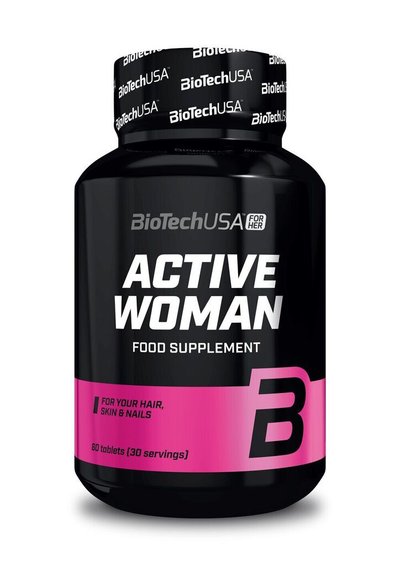 BIOTECHUSA Active Women€19.90 In stock 60tab + omega-3 + iron (if dietary iron is low) — separated from the multivitamin by two hours.
Minimalist approach. A single well-formulated multivitamin such as MST Vitamin Kick - 60 Tablets or SELF Multivitamin 60caps covers the bases for most recreationally active individuals. Add only what is clearly missing from diet or training context.
The full multivitamin range is available at maxfit.ee — /en/category/multivitamiinid-vitamiinikompleksid and /en/category/spordivitamiinid.
What to Avoid
- Do not take two multivitamins daily — this doubles the fat-soluble vitamin dose unnecessarily.
- Check for hidden vitamin D in protein powders and meal replacements before adding a standalone vitamin D supplement.
- Do not take zinc supplements on an empty stomach — this reliably causes nausea.
- Avoid combining high-dose vitamin E with anticoagulant medication without medical guidance — vitamin E at very high doses has mild anticoagulant properties.
References
Smith, G. I., Atherton, P., Reeds, D. N., Mohammed, B. S., Rankin, D., Rennie, M. J., & Mittendorfer, B. (2011). Omega-3 polyunsaturated fatty acids augment the muscle protein anabolic response to hyperaminoacidaemia-hyperinsulinaemia in healthy young and middle-aged men and women. Clinical Science, 121(6), 267-278. https://pubmed.ncbi.nlm.nih.gov/21501117/
Turnlund, J. R., Jacob, R. A., Keen, C. L., Strain, J. J., Kelley, D. S., Domek, J. M., & Uriu-Adams, J. Y. (2004). Long-term high copper intake: effects on indices of copper status, antioxidant status, and immune function in young men. American Journal of Clinical Nutrition, 79(6), 1037-1044. https://pubmed.ncbi.nlm.nih.gov/15159234/
Lukaski, H. C. (2004). Vitamin and mineral status: effects on physical performance. Nutrition, 20(7-8), 632-644. https://pubmed.ncbi.nlm.nih.gov/15212745/
FAQ
Can I take a multivitamin and creatine together?
Yes — there is no interaction between creatine and typical multivitamin components. Taking both at the same time is fine. Many athletes take the multivitamin with breakfast and creatine post-workout, which is equally valid.
Do I need a multivitamin if I eat a balanced diet?
For most individuals eating a genuinely varied diet, a multivitamin addresses marginal rather than severe deficiencies. In Northern European latitudes, vitamin D is an almost universal exception: food sources rarely cover the need during autumn and winter months, making supplementation consistently justified.
What is the risk of taking too many vitamins?
The main risk is with fat-soluble vitamins (A, D, E, K) which accumulate rather than excrete. Water-soluble vitamins (B complex, C) are generally excreted above the body's needs, though very high doses of certain B vitamins can cause other issues. Stick to the upper tolerable intake levels indicated on labels.



