
Multivitamins After 50: Benefits & Safety
Nutritional needs shift meaningfully after the age of 50. Calorie requirements often decrease while several micronutrient requirements stay the same or increase. The result is a narrower margin for meeting all needs through diet alone. Multivitamins for seniors have become a widely discussed intervention — but the evidence is more nuanced than most marketing suggests.
Age-Related Nutritional Needs
Several specific deficiencies are documented to become more prevalent with age:
Vitamin B12. Gastric acid production declines after 50 in many people, impairing the release of B12 from food proteins. The crystalline B12 in supplements and fortified foods does not require gastric acid for absorption. Carmel (2008) reviewed B12 deficiency in older adults and found that food-cobalamin malabsorption is likely the most common cause of low B12 status in this age group, making supplementation particularly relevant.
Vitamin D. Skin synthesis of vitamin D from sunlight becomes less efficient with age, and dietary sources are limited. Low vitamin D is associated with reduced muscle strength and increased fracture risk in older adults.
Calcium. Bone density declines after 50, particularly in postmenopausal women. Adequate calcium intake is a foundational component of bone health, though supplementation strategy should be tailored to individual dietary intake.
Magnesium. Low magnesium status is common in older adults due to reduced dietary intake, reduced intestinal absorption, and increased urinary excretion. Ford and Mokdad (2003) found that older adults in the US are among those most likely to have inadequate magnesium intake.
How Absorption Changes After 50
Absorption efficiency changes in several ways with aging:
- Reduced gastric acid impairs protein-bound micronutrient absorption (especially B12, iron, and zinc).
- Reduced intrinsic factor further reduces B12 absorption specifically.
- Changes in intestinal motility and surface area can affect fat-soluble vitamin absorption.
- Polypharmacy — the use of multiple medications — is much more common after 50 and directly alters micronutrient status (see below).
This means that dietary adequacy, even when calorically sufficient, does not automatically translate to micronutrient adequacy in older adults.
Dose and Safety
A well-formulated multivitamin for seniors will typically contain higher amounts of B12 (often in the crystalline form), vitamin D, and sometimes calcium, with adjusted iron content (many older adults do not need extra iron, and excess can cause harm). Fat-soluble vitamins A, D, E, and K can accumulate — caution applies at doses significantly above the RDA.
The risk of toxicity from a single daily multivitamin at label doses is generally low. The main concern is concurrent supplementation: combining a multivitamin with individual supplements (separate vitamin D, B-complex, or calcium) can push some nutrients toward or beyond upper intake levels. Keep total intake from all sources in mind.
Interactions with Medications
Seniors on multiple medications should be aware of several interactions:
- Warfarin and vitamin K: Vitamin K-containing multivitamins can affect anticoagulation control. Anyone on warfarin should discuss supplementation with their physician.
- Metformin and B12: Long-term metformin use reduces B12 absorption; this is a documented interaction where supplementation may be specifically beneficial (Liu et al., 2019).
- Levothyroxine and calcium/iron: These minerals can reduce thyroid hormone absorption if taken simultaneously. A gap of several hours is recommended.
- Proton pump inhibitors (PPIs) and B12/magnesium: PPIs reduce gastric acid and impair both B12 and magnesium absorption over the long term.
When to Supplement
Multivitamins are most useful as a nutritional safety net rather than a replacement for a varied diet. They are most clearly beneficial when:
- Diet is limited in variety or quantity due to appetite changes, dental issues, or restricted eating patterns.
- Confirmed deficiency of a specific nutrient (B12, D, or magnesium) is identified through blood testing.
- Medications are known to deplete specific nutrients.
The Women's Health Initiative studies (2002–2004) found that multivitamin use was not associated with reduction in major chronic disease risk in post-menopausal women, suggesting that supplements are not a substitute for overall dietary quality.
Recommended Products at MaxFit
For active seniors looking for a quality multivitamin, Optimum Nutrition Opti-Women 120tabs is a comprehensive formula designed for active women. BIOTECHUSA Active Women 60tab is another option with a targeted female profile. For men, Optimum Nutrition Opti-men 180tabs and 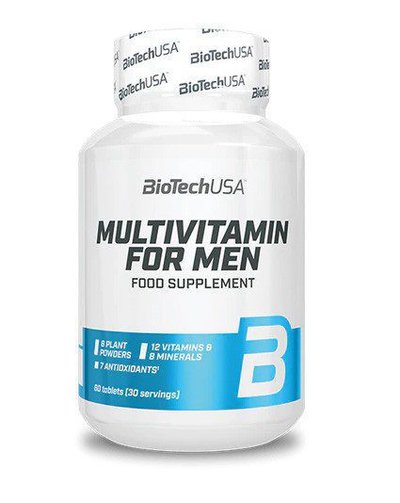 BIOTECHUSA Multivitamin for Men€17.90 In stock 60tab are well-formulated choices. All are available in the multivitamiinid-vitamiinikompleksid category at maxfit.ee.
For those preferring a general formula, 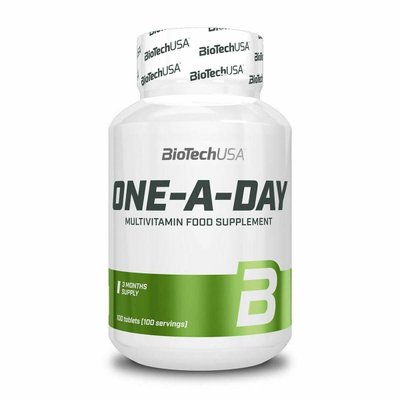 BIOTECHUSA One a Day€17.90 In stock 100tab and OstroVit 100% VIT&MIN 30tabs are straightforward options in the spordivitamiinid category.
Honest Verdict
Multivitamins after 50 are a reasonable, evidence-supported intervention — particularly for B12, vitamin D, and magnesium, where age-related absorption changes make dietary adequacy genuinely harder to achieve. They are not a miracle solution for aging or chronic disease prevention. Their value lies in closing known nutritional gaps, not in replacing good dietary habits. If you are on prescription medications, especially warfarin, metformin, PPIs, or thyroid medications, consult your physician before starting any supplementation.
FAQ
Which nutrients are most important in a multivitamin for people over 50?
Vitamin B12, vitamin D, magnesium, and calcium are among the most commonly deficient nutrients in people over 50. A good senior multivitamin will deliver B12 in the crystalline form (which does not require gastric acid for absorption), higher vitamin D, and a meaningful magnesium dose. Excess iron is usually not needed and some formulas appropriately reduce it.
Can multivitamins interact with prescription drugs?
Yes — vitamin K can interact with warfarin, calcium and iron can reduce thyroid hormone absorption, and high-dose B6 can cause nerve symptoms if combined with B-complex supplements. Always inform your prescribing physician of any supplements you take.
Are gummy multivitamins a good choice for seniors?
Gummy multivitamins often contain lower doses of key nutrients than tablet or capsule forms, and some contain added sugars. For seniors with difficulty swallowing, they are a practical option, but check that the dose of B12, vitamin D, and magnesium is meaningful rather than token.
References
Carmel, R. (2008). How I treat cobalamin (vitamin B12) deficiency. Blood, 112(6), 2214-2221. https://pubmed.ncbi.nlm.nih.gov/18606874/
Ford, E.S., & Mokdad, A.H. (2003). Dietary magnesium intake in a national sample of US adults. Journal of Nutrition, 133(9), 2879-2882. https://pubmed.ncbi.nlm.nih.gov/12949381/
Liu, Q., Li, S., Quan, H., & Li, J. (2019). Vitamin B12 status in metformin treated patients: systematic review. PLOS ONE, 14(6), e0217789.



