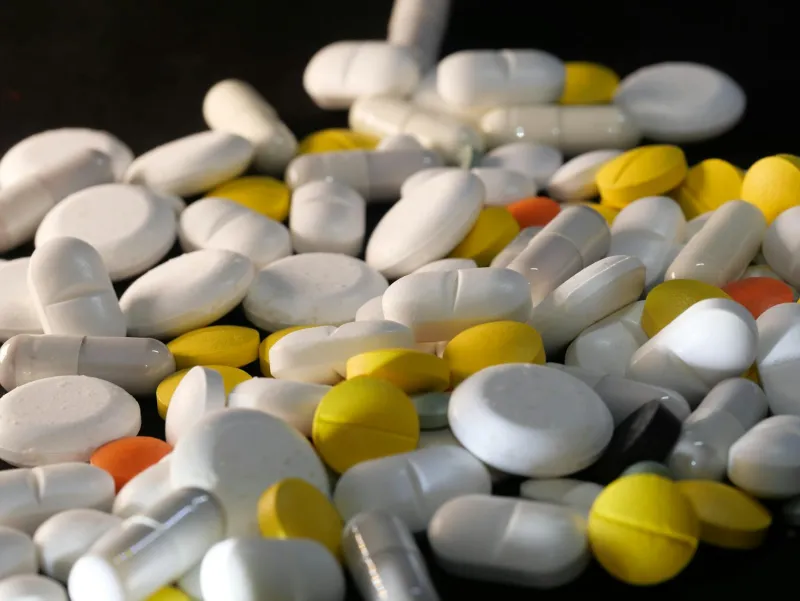
Signs You Need Multivitamins: Deficiency & Who Benefits
Multivitamin supplements contain a spectrum of essential vitamins and minerals at or near daily reference values. While a well-varied diet can supply most of these nutrients, population surveys across Europe and Scandinavia consistently show that suboptimal intakes of vitamin D, B12, folate, magnesium, and iodine are common. Understanding which deficiency signs apply to you is the first step in deciding whether a multivitamin is useful.
Deficiency Symptoms
The signs of micronutrient deficiencies are often non-specific and overlap with other conditions, which is why they are frequently missed:
- Fatigue and low energy — associated with low iron, vitamin B12, vitamin D, and folate. These are among the most common nutritional complaints in Europe.
- Poor concentration and mood changes — B12 deficiency in particular affects neurological function; low folate is associated with mood disturbances.
- Frequent illness — low zinc and vitamin D are associated with impaired immune response.
- Brittle nails and hair loss — can signal biotin, zinc, or iron insufficiency.
- Cracked lips and mouth sores — associated with riboflavin (B2) and B6 insufficiency.
- Bone pain or muscle weakness — classic signs of vitamin D and calcium insufficiency, particularly in Northern Europe.
- Pale skin or inner eyelids — may suggest iron deficiency anaemia; warrants a blood test.
At-Risk Groups
Certain populations are significantly more likely to develop micronutrient shortfalls:
- Vegans and vegetarians — at higher risk for vitamin B12 (absent from plant foods), iron (lower bioavailability from plant sources), and zinc. Vitamin D3 is primarily from animal sources, though D3 from lichen is vegan-appropriate.
- Older adults (above age 65) — reduced gastric acid production impairs B12 and mineral absorption; limited outdoor activity reduces vitamin D synthesis.
- Pregnant and breastfeeding women — folate, iron, iodine, and vitamin D requirements are elevated.
- Athletes in heavy training — iron losses are higher (foot-strike haemolysis in runners, sweat losses), and energy-restricted athletes may under-eat key micronutrients.
- People with restricted diets or low food variety — especially those eating highly processed diets.
- Residents of Northern Europe — vitamin D synthesis from sunlight is impossible during winter months at latitudes above approximately 50 degrees north.
How It Is Tested
Blood panels can identify most clinically significant deficiencies. Common tests include:
- Serum vitamin D (25-OH-D) — reference range broadly accepted as adequate above 50 nmol/L.
- Serum vitamin B12 and folate — low B12 raises homocysteine and affects neurological health.
- Full blood count — identifies iron deficiency anaemia (low haemoglobin, low ferritin).
- Serum ferritin — more sensitive early marker of iron stores than haemoglobin alone.
- TSH with iodine status — relevant for thyroid and iodine assessment.
Ask your family doctor (Eesti: perearst) for a micronutrient panel if you have persistent fatigue or other deficiency signs.
Nordic and Estonian Context
Estonia sits at approximately 59 degrees north latitude. From October through March, UV-B radiation is insufficient for cutaneous vitamin D synthesis, meaning virtually the entire population accumulates vitamin D deficit over the winter months without supplementation. National nutrition recommendations in Estonia acknowledge this and support routine vitamin D supplementation during the dark season.
Iodine status in Estonia has historically been marginal because of low soil iodine content and limited seafood consumption in inland areas. Iodised salt and dairy products are the main dietary iodine sources for most Estonians.
When to Supplement vs Dietary Approach
For healthy adults eating a diverse diet that includes vegetables, fruit, whole grains, legumes, dairy or fortified alternatives, and lean protein, a multivitamin is often unnecessary for most nutrients. Exceptions where targeted or general supplementation makes clear sense:
- Vitamin D in autumn and winter for anyone living north of 50 degrees latitude.
- Vitamin B12 for vegans and older adults.
- Folate/folic acid for women planning pregnancy or in the first trimester.
- Iron in confirmed deficiency — do not supplement iron without a blood test, as excess iron can be harmful.
- General multivitamin as a nutritional safety net for those with limited diet variety, high stress, or busy lifestyles.
Products like 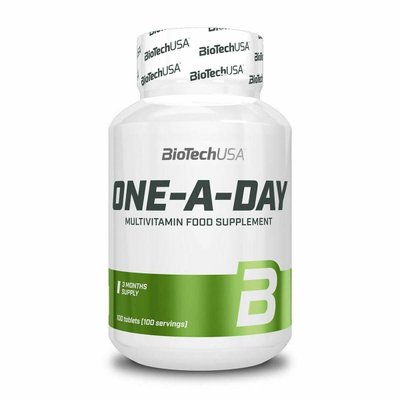 BIOTECHUSA One a Day€17.90 In stock 100tab and MST Vitamin Kick - 60 Tablets offer comprehensive daily coverage. Sport-specific formulations such as
 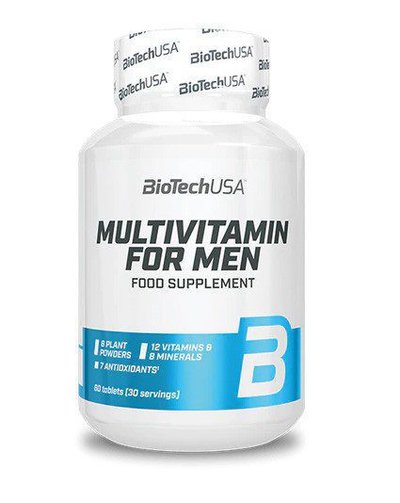 BIOTECHUSA Multivitamin for Men€17.90 In stock 60tab and BIOTECHUSA Multivitamin for Women 60tab are tailored to sex-specific micronutrient needs and higher demands from regular training. Optimum Nutrition Opti-Women 120tabs is a popular choice among active women.
Explore the full range at maxfit.ee/et/category/multivitamiinid-vitamiinikompleksid or sport-specific options at /et/category/spordivitamiinid.
FAQ
Will a multivitamin fix my fatigue?
Only if fatigue is caused by a genuine micronutrient deficiency. Fatigue has many causes — poor sleep, thyroid issues, anaemia, overtraining, and psychological factors among them. If persistent fatigue concerns you, a blood test is a better first step than empirical supplementation.
Are expensive multivitamins better than basic ones?
Price does not reliably indicate quality. Key things to check are whether the forms of vitamins are well-absorbed (e.g., vitamin D3 rather than D2; methylcobalamin or adenosylcobalamin for B12 rather than cyanocobalamin; methylfolate rather than folic acid for those with MTHFR variants). Third-party testing certification adds confidence.
Can you overdose on a multivitamin?
Water-soluble vitamins (B-complex and C) are generally not problematic at the doses found in standard multivitamins. Fat-soluble vitamins (A, D, E, K) can accumulate. Taking a single daily multivitamin at label doses is safe for most adults; exceeding several times the recommended dose long-term risks toxicity.
References
McNulty, H., & Pentieva, K. (2004). Folate bioavailability. Proceedings of the Nutrition Society, 63(4), 529–536. https://pubmed.ncbi.nlm.nih.gov/15831124/
Holick, M. F., Binkley, N. C., Bischoff-Ferrari, H. A., Gordon, C. M., Hanley, D. A., Heaney, R. P., ... & Weaver, C. M. (2011). Evaluation, treatment, and prevention of vitamin D deficiency: an Endocrine Society clinical practice guideline. Journal of Clinical Endocrinology & Metabolism, 96(7), 1911–1930. https://pubmed.ncbi.nlm.nih.gov/21646368/
Semba, R. D., Ricks, M. O., Ferrucci, L., Xue, Q. L., Guralnik, J. M., & Fried, L. P. (2006). Low serum micronutrient concentrations predict frailty among older women living in the community. Journal of Gerontology: Medical Sciences, 61(6), 594–599. https://pubmed.ncbi.nlm.nih.gov/16799142/



