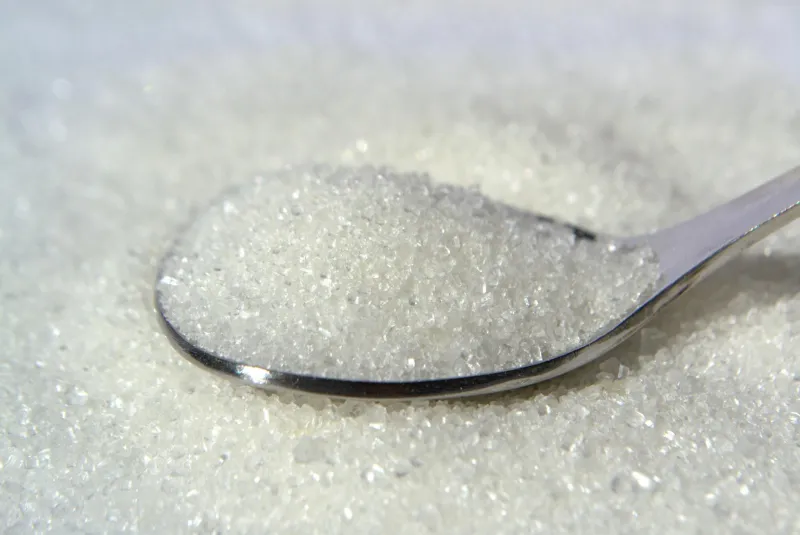
MSM After 50: Benefits & Safety
MSM (methylsulfonylmethane) is a naturally occurring organosulfur compound found in small amounts in many foods, including garlic, onions, and cruciferous vegetables. It has become one of the most widely used supplements for joint and connective tissue support, particularly among adults over 50 where age-related changes in cartilage, collagen turnover, and inflammatory baseline make joint comfort a genuine quality-of-life concern.
Age-Related Need: Why MSM Matters After 50
After 50, cartilage becomes progressively thinner, collagen cross-linking changes, and the synovial fluid that cushions joints becomes less viscous. Simultaneously, low-grade systemic inflammation — sometimes called inflammaging — increases, contributing to stiffness and discomfort during and after physical activity.
Sulfur is an essential component of connective tissue proteins, including collagen, and participates in the synthesis of glutathione, the body's primary intracellular antioxidant. MSM is a bioavailable sulfur source that may support these processes, though the mechanistic picture in humans is still being refined.
What Absorption Changes Occur After 50?
MSM is water-soluble and well-absorbed orally at any age. No significant age-related absorption differences have been documented in the literature. Unlike fat-soluble compounds, MSM does not require bile acids for absorption, which means reduced bile salt output — a feature of some older adults — is not a concern.
MSM crosses the blood-brain barrier and distributes throughout body tissues, which may partly explain observations of improved mood and reduced mental fatigue in some studies, though this remains a secondary and exploratory finding.
Dose, Safety, and Evidence
The most commonly studied doses in human clinical trials have ranged from 1.5 g to 6 g per day of MSM, usually divided across two doses taken with meals.
A randomised, double-blind, placebo-controlled trial in adults with knee osteoarthritis found that 3 g twice daily for 12 weeks reduced pain and improved physical function scores compared to placebo (Kim et al., 2006). A later systematic review confirmed that evidence supports a modest benefit for osteoarthritis symptoms, while acknowledging that study quality varies and effect sizes are modest.
Products available at maxfit.ee include OstroVit MSM 1200mg 60caps, OstroVit MSM 300g (powder form), and the combination MST Chondroitin Glucosamine MSM + HA 90tabs, which pairs MSM with glucosamine, chondroitin, and hyaluronic acid — a formulation often preferred for comprehensive joint support. Also available is OstroVit Glucosamine + MSM + Chondroitin 90tab. Browse the MSM category at maxfit.ee.
Safety data is reassuring: in trials and observational reports, MSM at typical doses is well tolerated. The most common adverse effects are mild gastrointestinal complaints (nausea, diarrhea) occurring in a small minority of users, particularly at higher doses. Taking MSM with food significantly reduces this risk.
No clinically meaningful toxicity has been observed in human studies. The tolerable upper limit has not been formally established, but doses above 6 g/day are generally not recommended without specific clinical rationale.
Interactions with Medication
MSM's interaction profile is limited, but a few considerations apply to older adults:
- Blood thinners: MSM has mild anti-platelet properties. In theory, it could potentiate the effects of warfarin or antiplatelet agents (aspirin, clopidogrel). Monitoring is advisable if combining these.
- NSAIDs: Many older adults take NSAIDs for joint pain. MSM does not appear to interact pharmacokinetically, but concurrent use may reduce the perceived need for NSAIDs — this should be discussed with a physician before changing NSAID doses.
- Chemotherapy agents: Preliminary in-vitro data suggests MSM may modulate some cancer cell processes, but evidence in humans is insufficient to make recommendations either way. Anyone undergoing oncology treatment should consult their oncologist.
When to Supplement
MSM supplementation is most rational for adults over 50 who:
- Experience mild-to-moderate joint discomfort during or after exercise
- Have osteoarthritis or age-related connective tissue changes confirmed by a clinician
- Are seeking a non-pharmacological adjunct that has a reasonably robust safety record
It is less likely to benefit people who are entirely asymptomatic, or those with severe joint disease requiring targeted pharmacotherapy.
Consistency matters: MSM's joint benefits in clinical trials became apparent at 4–12 weeks, not acutely. Short-term trials of a week or two are unlikely to reveal its potential.
FAQ
How long does it take for MSM to work for joint pain?
Most randomised trials showing significant benefits used 8–12 weeks of supplementation. Expect a gradual improvement rather than an acute effect. If no change is apparent after 12 weeks at a standard dose, MSM is unlikely to be effective for you.
Can MSM replace glucosamine or chondroitin?
MSM, glucosamine, and chondroitin work through partially overlapping and partially distinct mechanisms. The combination is commonly used and is supported by the formulation logic of multi-ingredient joint supplements, though direct head-to-head comparisons are sparse.
Is MSM safe for people with sulfur sensitivity?
MSM is a sulfur-containing compound but it is not related to sulfa drug allergy (which involves sulfonamide chemistry, not elemental sulfur). People with sulfa drug allergy can generally use MSM safely, but individual sensitivity varies — starting with a low dose is sensible.
References
Kim, L. S., Axelrod, L. J., Howard, P., Buratovich, N., & Waters, R. F. (2006). Efficacy of methylsulfonylmethane (MSM) in osteoarthritis pain of the knee: a pilot clinical trial. Osteoarthritis and Cartilage, 14(3), 286-294. https://pubmed.ncbi.nlm.nih.gov/16309928/



