Signs You Need MSM: Deficiency and Who Benefits
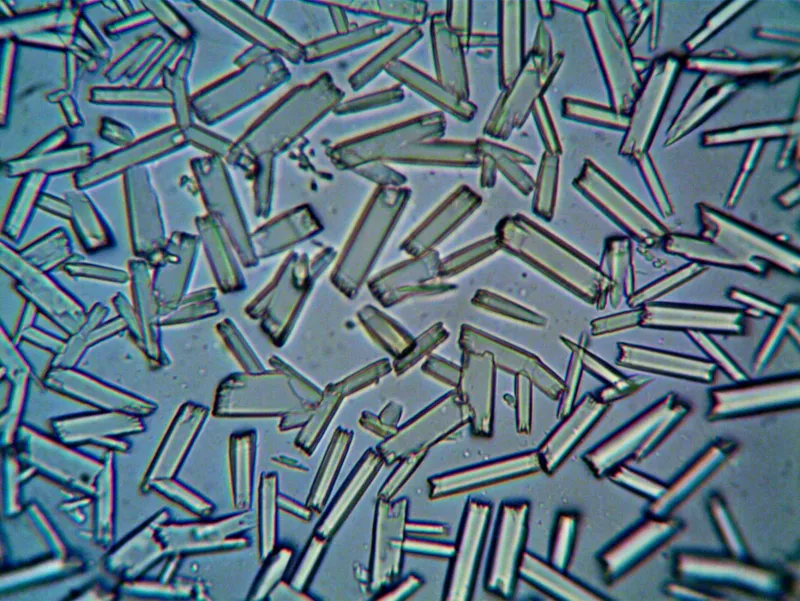
Methylsulfonylmethane (MSM) is an organic sulfur compound found in small amounts in some foods and produced endogenously at very low levels. Sulfur is the third most abundant mineral in the human body and plays roles in collagen synthesis, glutathione production, and inflammatory regulation. While frank MSM deficiency as a clinical diagnosis does not exist in the way vitamin C deficiency does, suboptimal sulfur intake — combined with high physical demands, ageing, or poor diet quality — may limit connective tissue repair and antioxidant capacity.
Deficiency Symptoms to Watch For
Because MSM provides bioavailable sulfur, the signs that may indicate insufficient sulfur status include:
- Persistent joint stiffness or discomfort, particularly in the morning or after rest
- Slow recovery after exercise, especially in tendons and ligaments
- Brittle nails and hair — sulfur-containing amino acids (cysteine, methionine) are building blocks for keratin
- Reduced skin elasticity — sulfur is essential to cross-linking in collagen and elastin
- Increased susceptibility to muscle soreness — glutathione synthesis requires cysteine, which depends on available sulfur
None of these signs is specific to MSM alone, so it is important to evaluate them in the broader context of diet and activity level.
At-Risk Groups
Certain populations may be more likely to benefit from MSM supplementation:
Athletes and highly active individuals experience elevated connective tissue turnover. Kim et al. (2006) conducted a randomised, double-blind trial in healthy men with knee pain and found that MSM supplementation was associated with improvements in pain and physical function compared to placebo.
Older adults — cartilage thins with age and collagen synthesis slows. Connective tissue sulfur demand may outpace dietary supply, particularly in those with low intake of cruciferous vegetables, eggs, and alliums.
People following low-protein or vegan diets may have lower intake of methionine and cysteine, the primary dietary sulfur amino acids. This does not create MSM deficiency per se, but may limit the body's supply of organic sulfur compounds.
Residents of northern climates (including Estonia) consume fewer raw vegetables in winter months, reducing natural MSM exposure from food, since MSM is partially degraded by cooking and food processing.
How It Is Tested
There is no established clinical test for MSM status. Plasma sulfate and urinary sulfate excretion can reflect overall sulfur metabolism, but these are not routine clinical tests and their interpretation as indicators of MSM-specific need is limited. The practical approach is to assess symptoms, dietary intake, and activity demands — and consider a structured supplementation trial of 6–12 weeks.
Nordic and Estonian Context
In Estonia, as in other northern European countries, the dietary pattern shifts significantly by season. In winter, fresh cruciferous vegetables (broccoli, Brussels sprouts), which contain some naturally occurring MSM-related sulfur compounds, are consumed less frequently. Combined with high-impact physical activity in cold conditions — which increases joint stress — this creates a reasonable case for considering MSM supplementation during autumn and winter months.
That said, MSM content in foods is generally low and highly variable, and relying on food sources alone to achieve the amounts used in research studies is not realistic.
When to Supplement vs. Diet
Diet-first is always the right starting point. Prioritise:
- Eggs (rich in cysteine and methionine)
- Cruciferous vegetables (broccoli, cabbage, cauliflower)
- Garlic and onions (contain organosulfur compounds)
- Legumes and meat (methionine and cysteine sources)
However, for those with joint discomfort, active training loads, or reduced food variety, supplementation makes practical sense. Clinical trials have typically used doses in the range of 1,000 to 3,000 mg of MSM per day for periods of 12 weeks.
At maxfit.ee, relevant options in the MSM category include OstroVit MSM 1200mg 60caps, OstroVit MSM 300g, and MST Chondroitin Glucosamine MSM + HA 90tabs for combined joint support. For standalone high-dose MSM powder, OstroVit MSM Plus 300g is also available.
FAQ
Can I get enough MSM from food alone?
The amounts of MSM naturally present in food are quite small and diminish further with cooking. Research doses of 1,000–3,000 mg/day are difficult to obtain from diet alone, which is why supplementation is often used in clinical studies and by active individuals.
Is MSM safe for long-term use?
MSM has a good safety profile in trials lasting up to 12 weeks. No significant adverse effects have been reported at typical doses. Long-term data beyond 6 months in controlled trials is limited, but the compound is well tolerated in general use.
Does MSM help with exercise recovery?
Some evidence suggests MSM may reduce markers of oxidative stress and muscle damage after exercise (Nakhostin-Roohi et al., 2008), which is consistent with its role as a sulfur donor for glutathione. The evidence is preliminary but biologically plausible.
References
Kim, L. S., Axelrod, L. J., Howard, P., Buratovich, N., & Waters, R. F. (2006). Efficacy of methylsulfonylmethane (MSM) in osteoarthritis pain of the knee: a pilot clinical trial. Osteoarthritis and Cartilage, 14(3), 286-294. https://pubmed.ncbi.nlm.nih.gov/16309928/
Nakhostin-Roohi, B., Barmaki, S., Khoshkhahesh, F., & Bohlooli, S. (2008). Effect of chronic supplementation with methylsulfonylmethane on oxidative stress following acute exercise in untrained healthy men. Journal of Pharmacy and Pharmacology, 60(10), 1337-1344.



