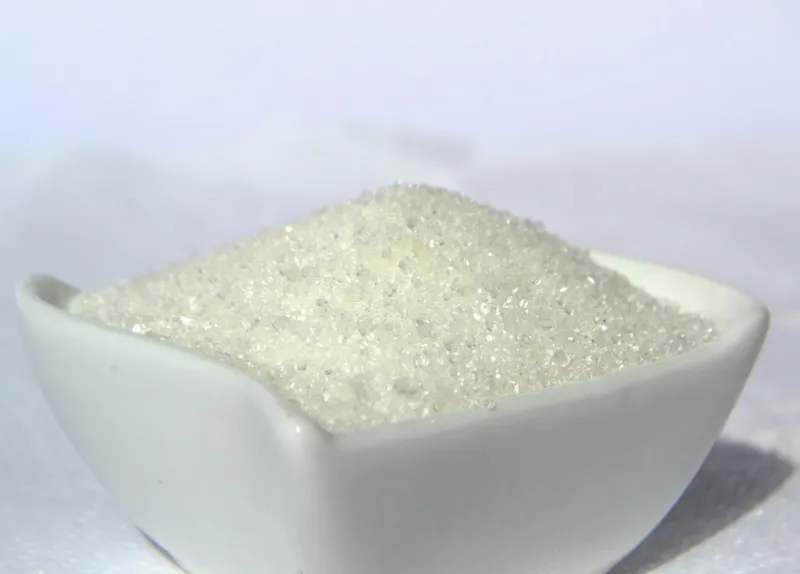
What MSM Does
MSM (methylsulfonylmethane) is an organosulfur compound found in small amounts in many whole foods. It is best known as a joint health supplement, though its mechanisms reach beyond the joint itself.
Sulphur for connective tissue. Sulphur is a structural element in collagen, keratin, and the proteoglycans that make up cartilage. MSM provides a bioavailable sulphur source that the body can use to support connective tissue maintenance and repair.
Anti-inflammatory effects. MSM has been shown in cell and animal studies to inhibit the production of pro-inflammatory signalling molecules including NF-kB, a major driver of inflammation. This is thought to underlie its joint comfort benefits.
Antioxidant support. MSM increases glutathione levels in some experimental conditions — glutathione being the body's primary intracellular antioxidant. This may help reduce the oxidative stress that accumulates in joints and muscles during exercise.
How to Start
For beginners, starting with a lower dose and building up is advisable. Most human trials testing MSM for joint comfort have used doses in the range of 1.5 g to 3 g per day, sometimes split across two servings.
At maxfit.ee you will find well-regarded options including OstroVit MSM 1200mg 60caps — a clean single-ingredient capsule that makes starting at a controlled dose easy — and OstroVit MSM 300g powder for those who prefer mixing it into a drink. OstroVit Glucosamine + MSM + Chondroitin 90tab combines MSM with glucosamine and chondroitin, which is the combination most commonly studied in joint health research. MST Chondroitin Glucosamine MSM + HA 90tabs adds hyaluronic acid to that mix.
Take MSM with food and water. MSM is water-soluble and well tolerated; it does not require specific timing relative to training.
Browse the full MSM kategooria at maxfit.ee.
What to Expect and When
MSM is not a painkiller. It does not produce a noticeable effect on the first day. Think of it as nutritional support for tissues that rebuild slowly.
In a double-blind randomised trial, Kim et al. (2006) found that people with osteoarthritis of the knee who took MSM daily for twelve weeks reported meaningful reductions in pain and improvements in physical function compared to placebo. Twelve weeks is a useful benchmark: commit to consistent daily use for at least that long before judging the effect.
For athletes and active people using MSM for exercise recovery and joint comfort rather than a clinical condition, the timeline may be similar — modest improvements in morning joint stiffness and post-exercise soreness are the most commonly reported subjective benefits.
Common Mistakes
Expecting rapid results. MSM works through tissue-level changes, not acute pharmacological action. Stopping after two or three weeks is the most common reason people conclude it did not help.
Underdosing. Doses below 1 g per day are unlikely to produce meaningful effects based on the human research base.
Combining randomly with other supplements. MSM combines well with glucosamine, chondroitin, collagen, and vitamin C (vitamin C is a cofactor in collagen synthesis). Less rational is combining it with NSAIDs for the same symptom without medical guidance.
Overlooking diet. MSM is a supplement, not a substitute for adequate protein (for tissue repair), hydration, and sensible training load management.
Choosing a Product
Key decisions when selecting an MSM product:
-
Single ingredient vs combination. Pure MSM (capsule or powder) gives you control over your exact dose. Combination products (glucosamine + MSM + chondroitin) are convenient and match what most published trials have studied, but make it harder to attribute effects to any single component.
-
Form. Capsules are convenient and tasteless. Powder forms mix into water or juice and may be preferable for higher doses or for those who dislike swallowing many capsules.
-
Dose per serving. Read the label and calculate how many servings you need to reach your target dose.
FAQ
Is MSM safe for long-term use?
MSM has a good safety record in human trials up to six months. Side effects are uncommon but may include mild digestive discomfort in sensitive individuals, particularly at higher doses. Starting with a lower dose and increasing gradually is the sensible approach.
Does MSM help with muscle soreness after exercise?
Some evidence supports this. Withee et al. (2017) found in a small double-blind trial that MSM supplementation reduced markers of oxidative stress and attenuated some aspects of exercise-induced muscle damage. The effect is modest rather than dramatic.
Can I take MSM if I am vegetarian or vegan?
Yes. MSM is a small organic molecule with no animal components. Check your product label for the capsule shell material if you use capsules — some brands use plant-based (HPMC) capsules, others use gelatin.
References
Kim, L. S., Axelrod, L. J., Howard, P., Buratovich, N., & Waters, R. F. (2006). Efficacy of methylsulfonylmethane (MSM) in osteoarthritis pain of the knee: a pilot clinical trial. Osteoarthritis and Cartilage, 14(3), 286–294. https://pubmed.ncbi.nlm.nih.gov/16309928/
Withee, E. D., Tippens, K. M., Dehen, R., Tibbitts, D., Hanes, D., & Zwickey, H. (2017). Effects of methylsulfonylmethane (MSM) on exercise-induced oxidative stress, muscle damage, and pain following a half-marathon: a double-blind, randomized, placebo-controlled trial. Journal of the International Society of Sports Nutrition, 14, 24. https://pubmed.ncbi.nlm.nih.gov/28736511/



