Introduction
Supplement timing can significantly affect absorption and effectiveness. Some nutrients work better in the morning, when your body is awake and metabolism is more active. A well-structured morning routine helps you get the most from your supplements and avoid unwanted side effects like sleep disruption.
Why Morning Timing Matters
Your body follows a circadian rhythm that influences hormone production, digestion, and nutrient absorption. In the morning, your stomach is empty and acid levels are higher, which improves absorption of certain minerals. Cortisol also peaks naturally in the morning, making energy-supporting supplements a good match for your body's natural cycle.
Best Morning Supplements
B-Complex Vitamins
B-vitamins contribute to normal energy-yielding metabolism and help reduce tiredness and fatigue. Since they can be energising, taking them in the morning avoids potential sleep disruption.
- When: with breakfast
- Why morning: supports energy production throughout the day
- Note: water-soluble, so excess is excreted in urine
Vitamin D
Shop this category — in stock now
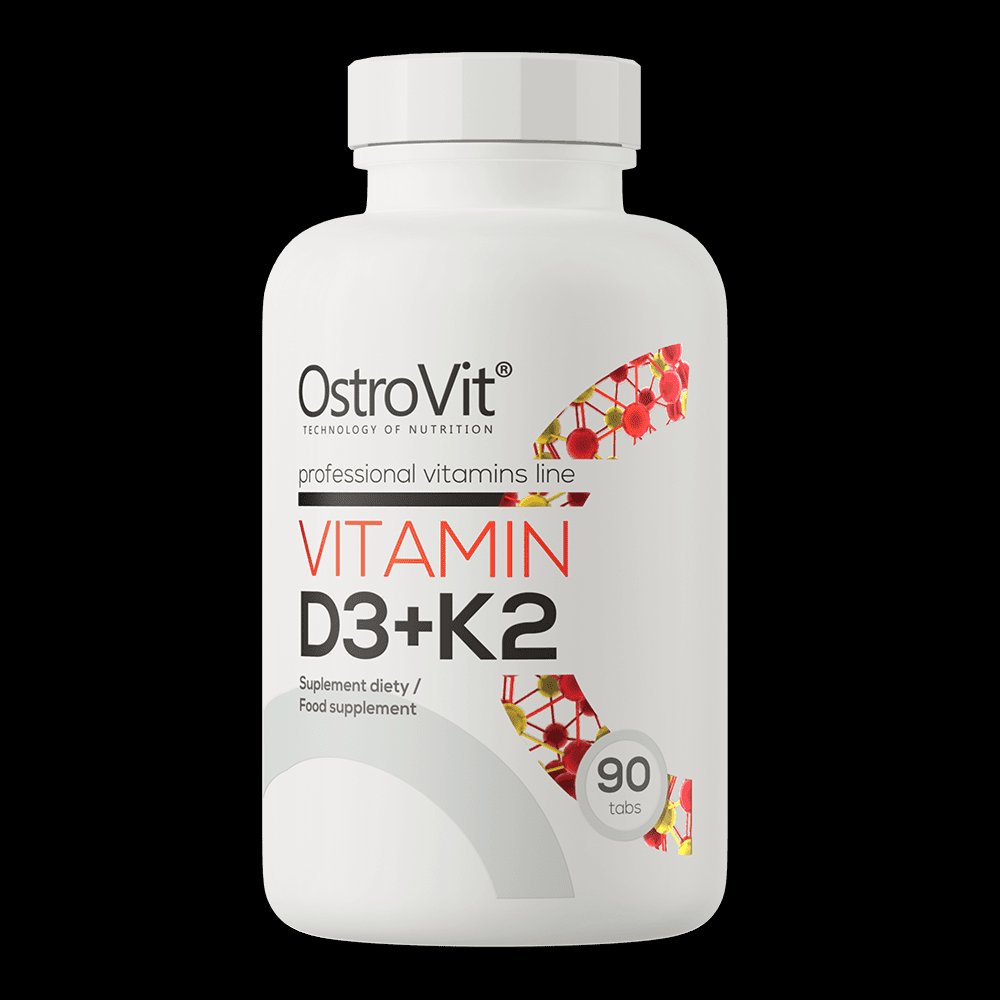
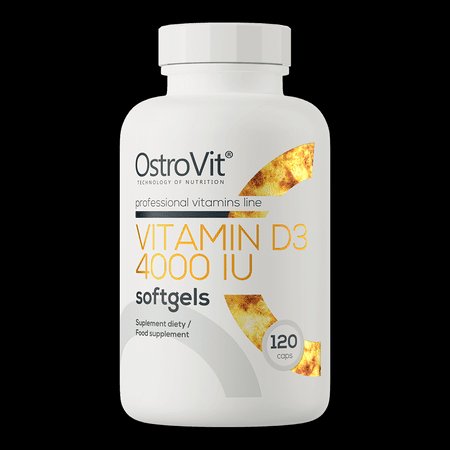
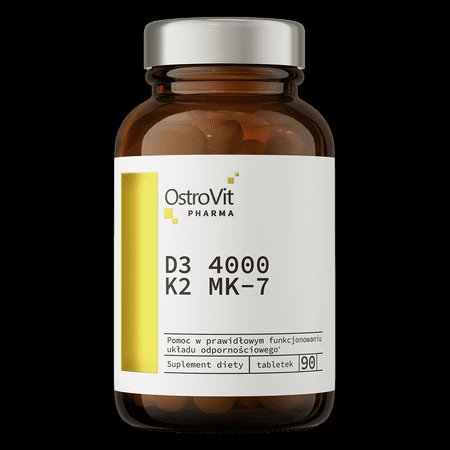
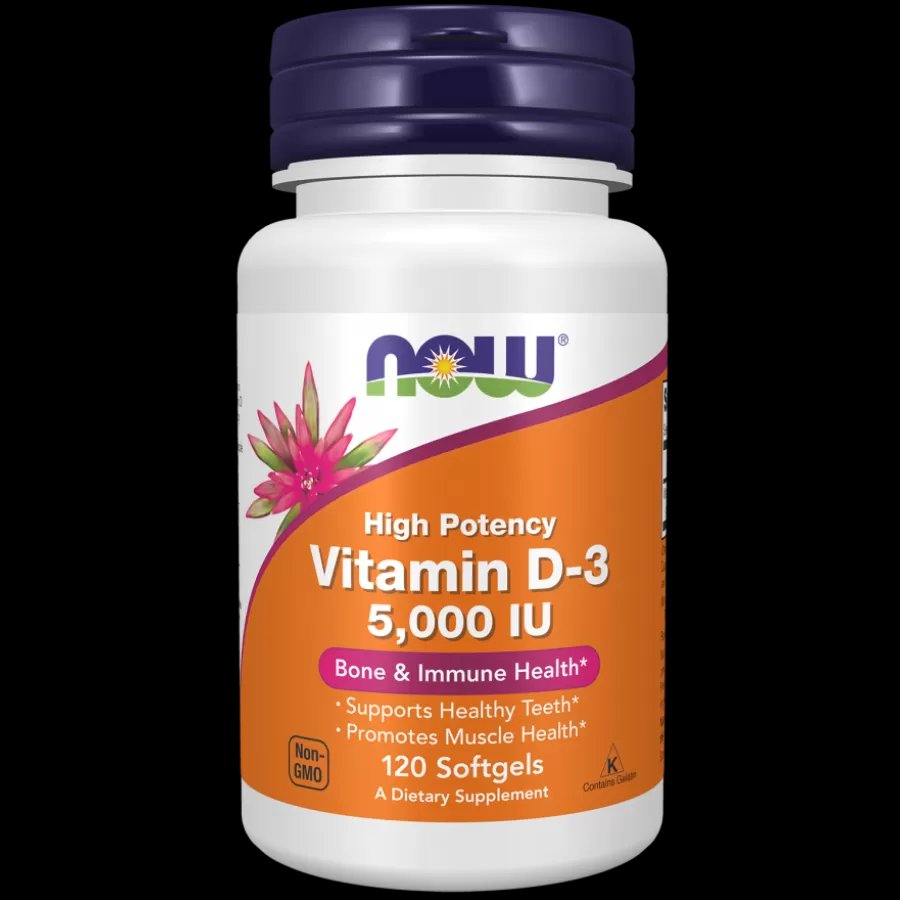
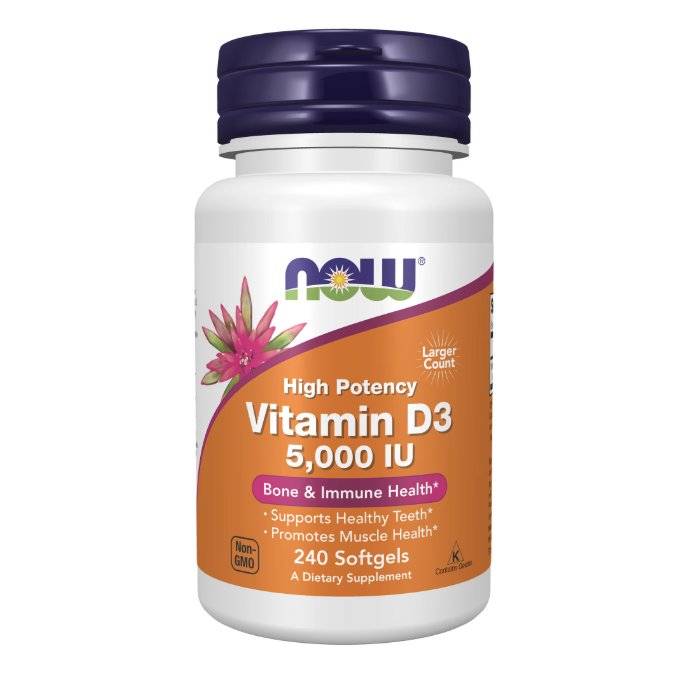
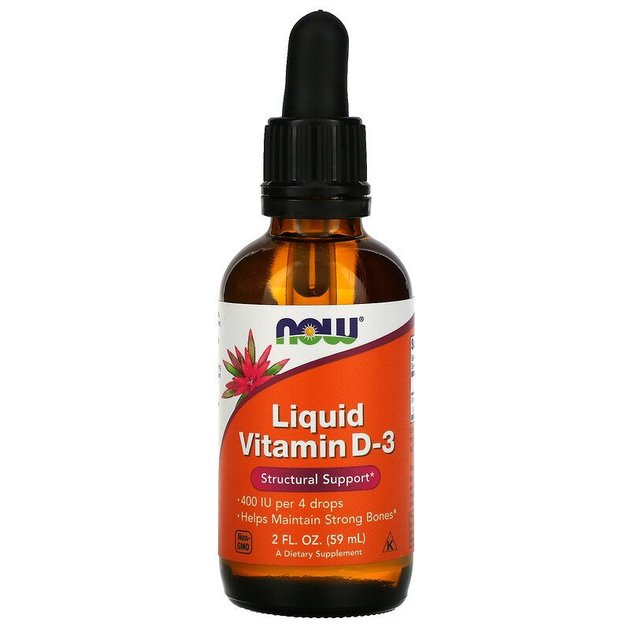
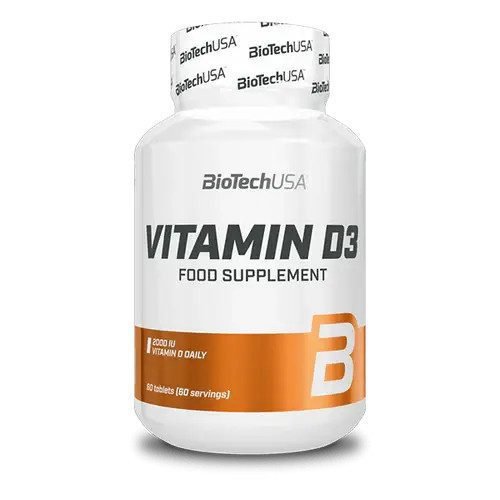
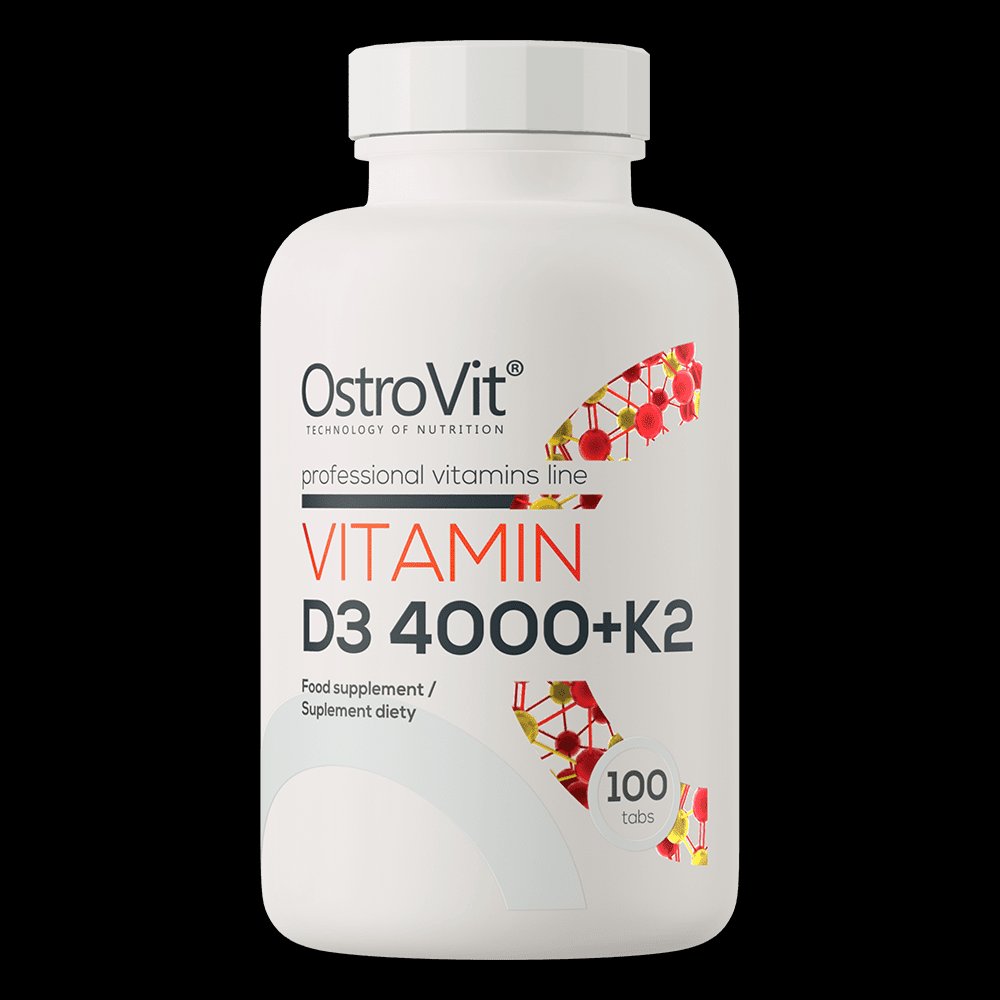
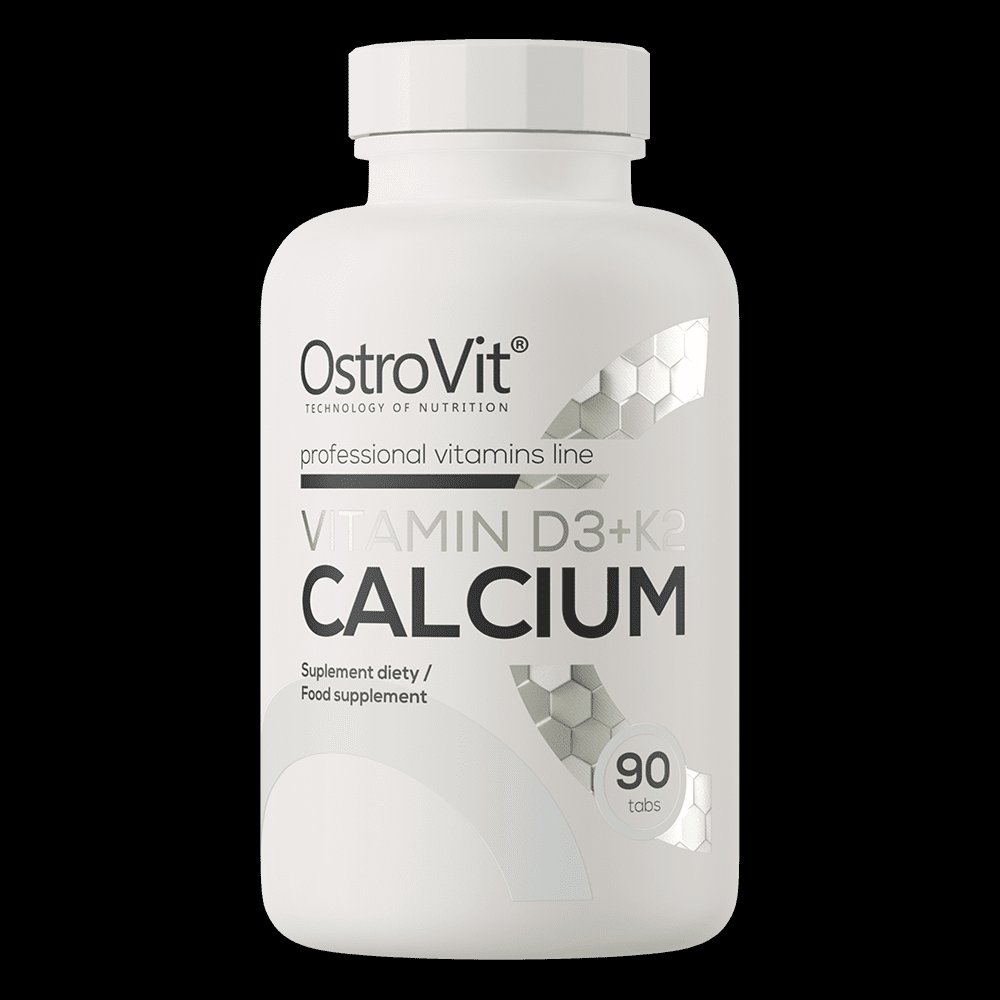
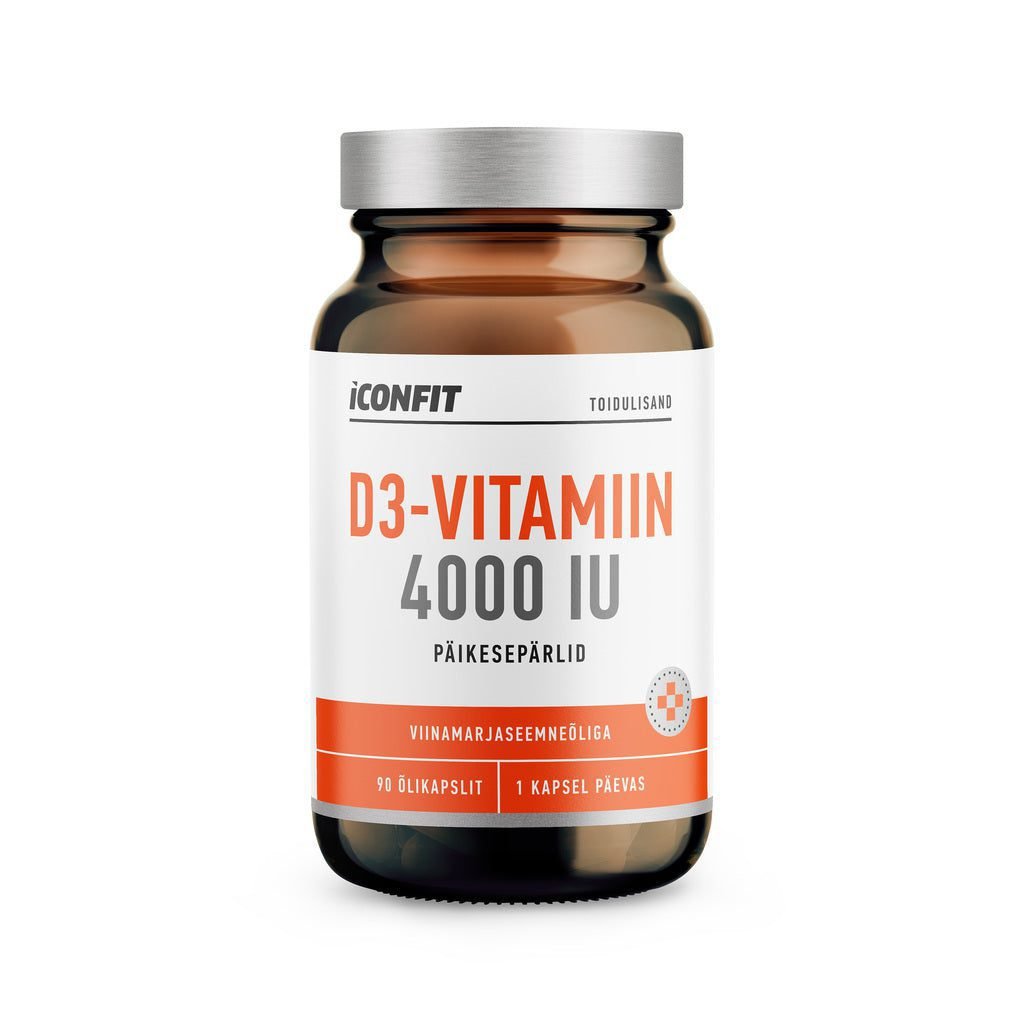
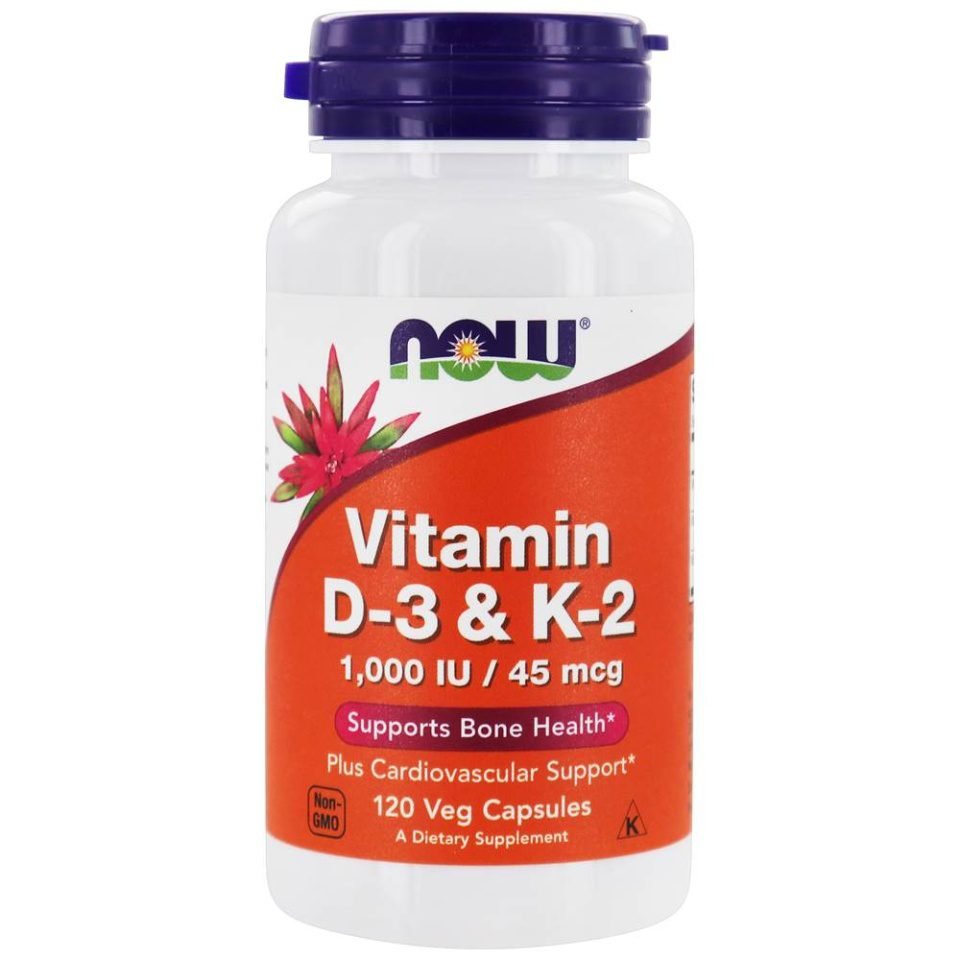
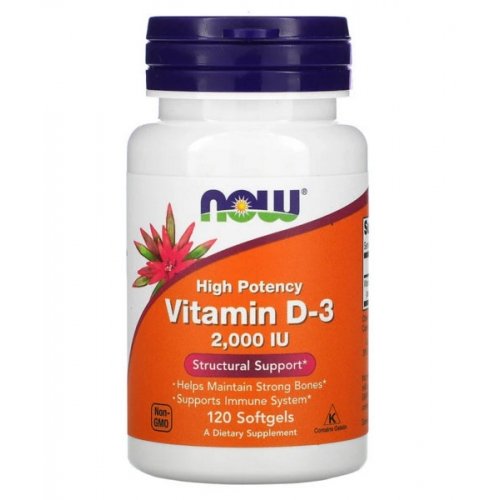
In Estonia and the Nordics, vitamin D is especially important from October to April, when sunlight is scarce. Vitamin D is fat-soluble, so take it with a meal containing fats — eggs, butter, avocado, or nuts.
- When: with a fat-containing breakfast
- Why morning: some research suggests evening vitamin D intake may affect sleep quality
- Dose: 25-50 mcg (1,000-2,000 IU) per day is typical
Iron
Iron absorbs best on an empty stomach. If you don't eat immediately after waking, this is the ideal window.
- When: on an empty stomach, 30 minutes before eating
- Why morning: stomach acid levels are higher, improving absorption
- Important: avoid combining with calcium, coffee, or tea — these reduce absorption. Vitamin C enhances iron absorption
Probiotics
Some probiotic strains perform better on an empty stomach. Take them 15-30 minutes before breakfast.
- When: on an empty stomach, before eating
- Why morning: stomach acid may be lower right after waking, helping bacteria survive
Caffeine (Coffee or Capsules)
If you use caffeine as a supplement, morning is the natural time. Avoid consuming it after 2 PM to protect your sleep.
- When: morning or pre-workout
- Why morning: aligns with natural cortisol peaks
- Limit: up to 400 mg per day (roughly 4 cups of coffee)
Practical Morning Schedule
- Wake up — iron + glass of water (even better with vitamin C)
- 15-30 minutes later — probiotic
- Breakfast (include some fats) — vitamin D + B-complex
- Coffee/tea — at least 1 hour after iron
Common Mistakes
- Taking fat-soluble vitamins on an empty stomach — vitamin D without fat absorbs poorly
- Combining iron with coffee — tannins in coffee can reduce iron absorption by up to 60% (Troesch et al., 2012)
- Taking B-vitamins in the evening — may interfere with sleep
- Taking too many supplements at once — minerals like calcium and iron compete for absorption
- Skipping breakfast with fat-soluble vitamins — absorption is minimal without dietary fat
Frequently Asked Questions
Should I take all supplements in the morning? No. Magnesium, zinc, and melatonin are better in the evening. Morning is ideal for energy-supporting supplements.
Will taking supplements on an empty stomach cause nausea? Iron may cause stomach discomfort when taken without food. If so, take it with a small snack. B-vitamins are generally well tolerated.
How long before eating should I take iron? Ideally 30-60 minutes before a meal. If that's not practical, at least take it separately from coffee and dairy.
Can I take vitamin D with coffee? Yes, coffee does not affect vitamin D absorption. The key is having some fat in your meal.
Can I combine all morning supplements into one capsule? A multivitamin is convenient, but iron and calcium should be taken separately. Check that doses match your actual needs.
References
- Troesch, B., Hoeft, B., McBurney, M. et al. (2012). Dietary surveys indicate vitamin intakes below recommendations are common in representative Western countries. British Journal of Nutrition, 108(4), 692–698.
- Carr, A.C. & Maggini, S. (2017). Vitamin C and immune function. Nutrients, 9(11), 1211.
- Kennedy, D.O., Veasey, R., Watson, A. et al. (2010). Effects of high-dose B vitamin complex with vitamin C and minerals on subjective mood and performance in healthy males. Psychopharmacology, 211(1), 55–68. See also:
- B-Vitamins Complex Guide
- Vitamin D in Estonia's Climate
- Supplement Timing Around Meals
Browse our vitamins selection at MaxFit.ee →
Disclaimer
A food supplement is not a substitute for a varied and balanced diet and a healthy lifestyle.