
What Are Mineral Complexes and Why Do Doses Matter?
Mineral complexes are multi-mineral supplements that deliver two or more essential minerals in a single product, typically targeting the minerals most at risk of depletion in physically active people: magnesium, zinc, calcium, potassium, selenium, and others. Unlike single-mineral supplements where you control the dose of exactly one compound, complexes bundle multiple nutrients — which means both the convenience and the dosing complexity increase simultaneously. Understanding mineral complexes dosage is therefore about knowing the amounts of each constituent mineral, not just the total capsule or tablet count.
Studied Effective Dose Ranges for Key Minerals
Different minerals have very different needs and research profiles:
Magnesium is the mineral most commonly studied in athletic populations. A meta-analysis of randomised controlled trials found that supplementation improved some measures of exercise performance, with studies commonly using 300–500 mg of elemental magnesium daily (Volpe, 2015). The form matters — magnesium citrate, glycinate, and malate have higher bioavailability than oxide.
Zinc is critical for testosterone synthesis, immune function, and protein synthesis. Studies examining athletic populations typically use 25–45 mg of elemental zinc per day (Prasad et al., 1996). Higher doses over prolonged periods can impair copper status, so moderation matters.
Calcium recommendations from large nutrition bodies sit at 1000–1200 mg per day for most adults from all sources combined. Supplemental calcium on top of dietary intake is only warranted when diet is consistently insufficient.
Dose by Goal and Bodyweight
| Mineral | Goal | Typical Supplemental Dose |
|---|---|---|
| Magnesium | Recovery, sleep quality, muscle function | 200–400 mg elemental/day |
| Zinc | Immune support, testosterone | 15–30 mg elemental/day |
| Potassium | Electrolyte balance, cramp prevention | Varies widely by diet; supplements often 100–400 mg/serving |
| Selenium | Antioxidant, thyroid | 100–200 mcg/day |
SELF Potassium Magnesium 120 vegan caps provides potassium and magnesium in a plant-based capsule — a practical choice for those covering two deficits at once. BIOTECHUSA Calcium Zinc Magnesium 100tab covers the three minerals most relevant to active lifestyles in one tablet. 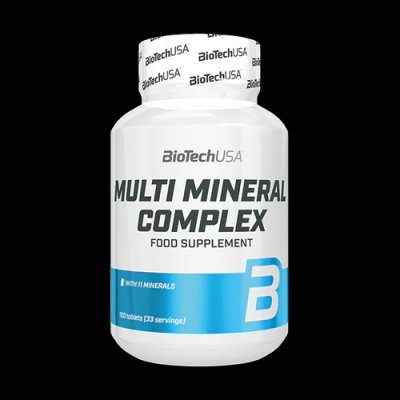 BIOTECHUSA Multi Mineral Complex€14.90 In stock 100tabl is a broader-spectrum option that includes additional trace minerals.
Upper Limits and Safety Signals
Most minerals have established tolerable upper intake levels (ULs) that should not be exceeded chronically from supplements plus food combined:
- Magnesium (from supplements only): the EU regulatory tolerable upper intake level sits at 250 mg/day from supplements, as higher supplemental doses are associated with osmotic diarrhoea, though the threshold varies by form.
- Zinc: chronic intake above 40 mg/day can cause copper deficiency over time.
- Selenium: above 400 mcg/day is associated with selenosis (hair loss, nail changes, neurological symptoms).
- Calcium: intakes above 2500 mg/day from all sources may increase cardiovascular risk markers and kidney stone risk in susceptible individuals.
For compound products, check the amount of each elemental mineral against these reference points — the listed mg of the salt form (e.g. magnesium citrate) is always higher than the elemental magnesium content. Reputable labels state the elemental amount.
Timing Relative to the Dose
Timing considerations differ by mineral:
- Magnesium and zinc together (ZMA-style): classically taken 30–60 minutes before bed on an empty or lightly fed stomach, to avoid competition with calcium for absorption and to leverage any sleep-promoting effects of magnesium.
- Calcium: better taken with food (enhances solubility and reduces gastric side effects). If taking both calcium and magnesium/zinc, a time-separation of several hours may improve absorption of both.
- Selenium and potassium: timing is less critical; taken with a meal to reduce any GI sensitivity.
For general multi-mineral complexes taken once daily, morning with breakfast is a practical default that most people maintain consistently — which matters more than any theoretical timing optimisation.
Practical Protocol
- Identify your specific mineral gaps first. Athletes who sweat heavily lose predominantly sodium, chloride, potassium, and magnesium. Resistance-trained athletes frequently have borderline zinc status. A dietitian or targeted bloodwork is the highest-quality guide.
- Read the label for elemental amounts, not just total tablet weight. Choose products that list elemental magnesium, elemental zinc, etc., explicitly.
- Start at the lower end of the dose range for each mineral. Complexes can stack quickly — if you also eat a fortified food or take a multivitamin, your totals may already approach upper limits for some minerals.
- Separate calcium from magnesium and zinc by a few hours if you take both at meaningful doses, to reduce intestinal absorption competition.
- Re-evaluate after 8–12 weeks. Minerals like magnesium and zinc act on enzyme pathways that take time to reflect in subjective wellbeing. Patience is warranted before escalating doses.
Mineral complex supplements are available at maxfit.ee in the mineraalikompleksid category.
References
Volpe, S. L. (2015). Magnesium and the athlete. Current Sports Medicine Reports, 14(4), 279-283. https://pubmed.ncbi.nlm.nih.gov/26166051/
Prasad, A. S., Mantzoros, C. S., Beck, F. W., Hess, J. W., & Brewer, G. J. (1996). Zinc status and serum testosterone levels of healthy adults. Nutrition, 12(5), 344-348. https://pubmed.ncbi.nlm.nih.gov/8875519/
FAQ
How much magnesium should I take in a mineral complex?
For most adults, 200–400 mg of elemental magnesium per day from supplements is the range most studied for exercise and recovery support. Check the label for the elemental amount, since the form (e.g. magnesium citrate 500 mg) contains less elemental magnesium than the total weight suggests.
Can I take a mineral complex every day?
Yes, for most people at label-recommended doses, daily use is safe and consistent with the research. Watch for cumulative totals if you also eat fortified foods, take a multivitamin, or consume other single-mineral supplements — some minerals (zinc, selenium) have meaningful ULs that can be reached when multiple sources are combined.
Should I take a mineral complex with food or on an empty stomach?
For most complexes, taking them with a light meal reduces gastrointestinal discomfort and enhances solubility for minerals like calcium and magnesium citrate. ZMA-style (magnesium + zinc) formulations are traditionally taken before bed on a light stomach to avoid calcium competition, but the practical impact on absorption is modest.



