
Mineral Complexes Benefits: A Balanced Evidence Review
Mineral complexes — supplements that bundle two or more essential minerals — address a practical gap: many people fall short on multiple minerals simultaneously rather than just one. The most common formulations combine magnesium, zinc, and potassium (sometimes alongside calcium, selenium, or chromium). Understanding the mineral complexes benefits requires looking at each mineral's individual evidence base and how combination products perform in practice.
Primary Evidenced Benefits
Magnesium: Muscle Function and Sleep
Magnesium participates in over 300 enzymatic reactions, including ATP synthesis and muscle contraction. Deficiency is associated with muscle cramps, sleep disturbances, and impaired recovery. A randomised controlled trial found that magnesium supplementation significantly improved sleep quality and sleep efficiency in elderly participants with insomnia and low magnesium status (Abbasi et al., 2012). Athletes who train intensively lose magnesium through sweat and may benefit from supplementation to maintain normal neuromuscular function.
Zinc: Immune Function and Testosterone Maintenance
Zinc is required for immune cell development, protein synthesis, and normal testosterone levels. A double-blind study in male athletes found that zinc supplementation prevented the exercise-induced decline in thyroid hormones and testosterone observed in the placebo group (Kilic et al., 2006). Zinc is commonly depleted in people following calorie-restricted diets or high-volume training.
Potassium: Electrolyte Balance
Potassium is critical for fluid regulation, nerve signalling, and muscle contraction. Athletes and active individuals lose potassium through sweat, and low potassium is associated with muscle weakness and cramp. Combination electrolyte products that include potassium alongside magnesium address this dual loss.
Secondary and Emerging Effects
Combined ZMA-style Formulas
Zinc, magnesium, and vitamin B6 are often combined in formulas marketed for sleep and recovery. The original ZMA research showed benefits specifically in athletes with low baseline zinc and magnesium status. The combination's synergy beyond correcting deficiency is less established.
Chromium and Blood Sugar Regulation
Chromium is sometimes included in broader mineral complexes. It has been studied for its role in insulin signalling. Some controlled trials show modest effects on fasting blood glucose in people with impaired glucose tolerance, but results are inconsistent and effects in healthy adults are marginal.
Where Evidence Is Weak
- Performance enhancement in replete individuals: Mineral complexes benefit those with suboptimal intake, not those already meeting requirements through diet.
- Calcium in multi-mineral products: Calcium competes for absorption with zinc and magnesium when taken together; dedicated calcium supplements may be more effective.
- Selenium combinations: Selenium needs are low and toxicity from excess is possible; complexes containing selenium require careful attention to dose.
Who Gains Most
Mineral complexes are most useful for people who know or suspect multiple mineral shortfalls: those on restricted diets, endurance athletes, elderly individuals with reduced nutrient absorption, and people with high training volumes. A well-formulated complex that includes SELF Potassium Magnesium 120 vegan caps, BIOTECHUSA Calcium Zinc Magnesium 100tab, and 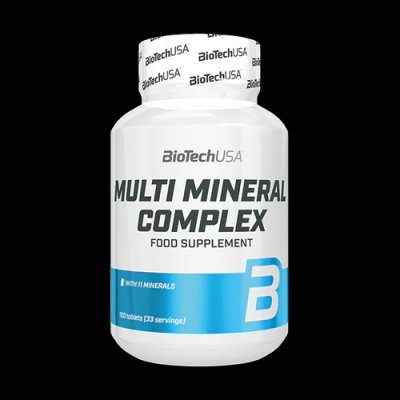 BIOTECHUSA Multi Mineral Complex€14.90 In stock 100tabl can be found at maxfit.ee.
Realistic Expectations
Mineral complexes are foundational supplements — they support baseline physiological function rather than providing dramatic performance boosts. The benefits are most apparent in deficient individuals. In those with adequate dietary mineral intake, effects may be subtle. Consistent daily use over weeks to months is needed to correct suboptimal status and see downstream improvements in energy, sleep, and muscle function.
References
- Abbasi, B., Kimiagar, M., Sadeghniiat, K., Shirazi, M. M., Hedayati, M., & Rashidkhani, B. (2012). The effect of magnesium supplementation on primary insomnia in elderly: a double-blind placebo-controlled clinical trial. Journal of Research in Medical Sciences, 17(12), 1161–1169. https://pubmed.ncbi.nlm.nih.gov/23853635/
- Kilic, M., Baltaci, A. K., Gunay, M., Gokbel, H., Okudan, N., & Cicioglu, I. (2006). The effect of exhaustion exercise on thyroid hormones and testosterone levels of elite athletes receiving oral zinc. Neuro Endocrinology Letters, 27(1–2), 247–252.
- Volpe, S. L. (2013). Magnesium in disease prevention and overall health. Advances in Nutrition, 4(3), 378S–383S. https://pubmed.ncbi.nlm.nih.gov/23674807/
FAQ
Are mineral complexes better than taking individual minerals?
It depends on your goals. Complexes offer convenience and address multiple shortfalls at once. However, they often contain lower doses of each mineral than dedicated single-mineral products. If you have a specific deficiency, a targeted supplement may be more effective.
Can I take a mineral complex with multivitamins?
This is possible but watch for duplication, especially with zinc, selenium, and calcium. Adding a mineral complex on top of a comprehensive multivitamin can lead to doses approaching or exceeding safe upper limits for some nutrients. Check the combined totals before stacking.
When is the best time to take a mineral complex?
Magnesium is often taken in the evening due to its relaxing properties. Zinc is better absorbed away from high-fibre meals. If your complex includes both, evening with a light snack is a practical compromise. Always follow the product label for specific guidance.



