
Natural Food Sources of Men's Vitamins
Men's vitamins needs overlap substantially with those of the general adult population, but certain micronutrients are particularly relevant for the health priorities common in men: testosterone function, cardiovascular health, muscle maintenance, and energy metabolism. This guide identifies the best natural food sources for the vitamins and minerals most important to men's health, discusses bioavailability, and explains when food alone may not be sufficient.
Top Food Sources for Key Men's Vitamins and Minerals
Vitamin D
Vitamin D is arguably the single most commonly deficient micronutrient in Northern European men, including in Estonia. The primary natural source is cutaneous synthesis from sunlight, but at northern latitudes, meaningful synthesis is only possible from roughly April to September. Food sources are limited: fatty fish (salmon, mackerel, sardines), egg yolks, and UV-exposed mushrooms provide modest amounts.
The mismatch between sun-limited synthesis and dietary availability makes vitamin D one of the clearest candidates for supplementation in Estonian men, particularly during autumn and winter.
Zinc
Zinc is critical for testosterone synthesis, immune function, and protein metabolism. The richest food sources are oysters (exceptionally high), red meat, poultry, and legumes. Oysters aside, beef and lamb provide meaningful zinc per serving. Plant sources (legumes, nuts, seeds, whole grains) contain zinc but at lower bioavailability due to phytate content, which inhibits absorption.
Men who train intensely, sweat heavily, or eat primarily plant-based diets are at higher risk of inadequate zinc intake.
Magnesium
Magnesium supports testosterone production, sleep quality, muscle function, and cardiovascular health. Excellent food sources include dark leafy greens (spinach, Swiss chard), pumpkin seeds, dark chocolate, legumes, nuts, and whole grains. Many men fall short due to reliance on processed foods, which have substantially lower magnesium content than whole-food counterparts.
Vitamin B12
B12 is found almost exclusively in animal products: red meat, fish, shellfish, eggs, and dairy. Men eating omnivorous diets rarely become deficient. However, vegans and vegetarians must supplement or consume fortified foods, as plant sources provide negligible B12. Absorption also declines with age due to reduced intrinsic factor production.
Vitamin B6
B6 supports testosterone metabolism, neurotransmitter synthesis, and energy production. Good sources include poultry, fish (tuna, salmon), bananas, potatoes, and chickpeas. Deficiency is uncommon in men eating varied diets.
Selenium
Selenium supports antioxidant defence and thyroid function. Brazil nuts are the richest known source — just two or three per day can meet requirements. Other sources include tuna, halibut, sardines, and whole grains. Selenium content in plant foods varies significantly depending on soil selenium levels.
Bioavailability from Food vs Supplement
Not all micronutrients are absorbed equally from food compared to supplements, and vice versa:
- Haem iron (from meat) is absorbed at roughly two to four times the efficiency of non-haem iron from plants or supplements.
- Zinc from animal sources is more bioavailable than zinc from plant sources due to phytate inhibition.
- Fat-soluble vitamins (A, D, E, K) are better absorbed when consumed with dietary fat.
- Many B vitamins from whole foods come with co-factors that may support absorption and utilisation, though synthetic forms in supplements are generally well-absorbed.
This does not mean supplements are inferior — but it does mean that the same listed amount on a label may deliver different active intake depending on whether it comes from food or a supplement, and depending on the surrounding diet.
Optimum Nutrition Opti-men 180tabs and BIOTECHUSA Multivitamin for Men 60tab are formulations designed to cover gaps efficiently, including micronutrients difficult to obtain in adequate amounts from modern diets.
Daily Targets from Diet
Estonian men can aim to meet key needs through diet using rough guidelines:
| Nutrient | Good food strategy |
|---|---|
| Vitamin D | 2–3 portions fatty fish per week + sun in summer |
| Zinc | Beef or lamb 3–4x/week, add pumpkin seeds |
| Magnesium | Daily leafy greens, nuts, seeds |
| Vitamin B12 | Any animal protein daily |
| Selenium | 2–3 Brazil nuts/day OR tuna 3x/week |
Note: individual needs vary; these are not prescriptions.
Cooking and Storage Effects
Some micronutrients are sensitive to heat, light, or water:
- Water-soluble B vitamins and vitamin C leach into cooking water and are degraded by prolonged heat. Steaming or quick sauteing preserves more than boiling.
- Fat-soluble vitamins (D, A, K) are relatively stable during normal cooking.
- Zinc and magnesium are stable but can be lost into cooking water with prolonged boiling.
- Fresh or minimally processed foods consistently retain more micronutrients than heavily processed equivalents.
When Food Is Not Enough
For Estonian men, several situations make supplementation genuinely rational:
- Vitamin D in autumn and winter: sunlight is insufficient for synthesis from October to March at Nordic latitudes. Supplementation covers this gap reliably.
- Zinc and magnesium during heavy training: losses through sweat exceed what most diets can compensate easily.
- Vegans and vegetarians: B12 supplementation is non-negotiable; zinc may also be prudent.
- Men over 50: B12 absorption declines, and bone-relevant nutrients (calcium, D3, K2) become more important.
- Poor dietary variety: men eating narrow diets reliant on processed food miss multiple micronutrients simultaneously.
NOW Adam Male Multivitamin 90caps and 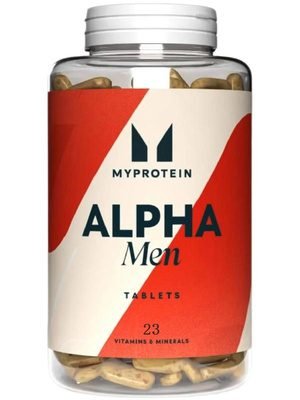 MyProtein Alpha Men Multivitamins€19.90 In stock 240tabs are comprehensive multivitamin formulations that cover a broad spectrum of men's micronutrient needs in a single daily dose.
Men's vitamins and multivitamins are available at maxfit.ee across a range of formats.
References
Holick, M. F., Binkley, N. C., Bischoff-Ferrari, H. A., Gordon, C. M., Hanley, D. A., Heaney, R. P., et al. (2011). Evaluation, treatment, and prevention of vitamin D deficiency: an Endocrine Society clinical practice guideline. Journal of Clinical Endocrinology and Metabolism, 96(7), 1911–1930. https://pubmed.ncbi.nlm.nih.gov/21646368/
Yoshii, K., Hosomi, K., Sawane, K., & Kunisawa, J. (2019). Metabolism of dietary and microbial vitamin B family in the regulation of host immunity. Frontiers in Nutrition, 6, 48. https://pubmed.ncbi.nlm.nih.gov/31058161/
FAQ
Do men need different vitamins than women?
Not categorically different, but certain nutrients are more commonly deficient in men due to lifestyle patterns. Zinc is critical for male hormone function and sweat losses are high in active men. Vitamin D deficiency is widespread in northern climates for both sexes. Women need more iron and folate during reproductive years, while men's needs in those nutrients are lower.
Is a multivitamin necessary if I eat a balanced diet?
For men eating varied, whole-food-rich diets with regular animal protein and fatty fish, a comprehensive multivitamin may be redundant for most nutrients. The exceptions are vitamin D (especially in winter) and possibly zinc during intense training periods. Targeted single supplements often make more sense than broad multivitamins for this group.
Can I get too much of a vitamin from food?
Toxicity from food alone is rare for most vitamins and minerals. Fat-soluble vitamins (A and D in large supplement doses) are the main toxicity concern, not food sources. Water-soluble B vitamins and vitamin C have very wide safety ranges, and excess is excreted. The risk of overdose is primarily a supplement-related, not food-related, concern.



