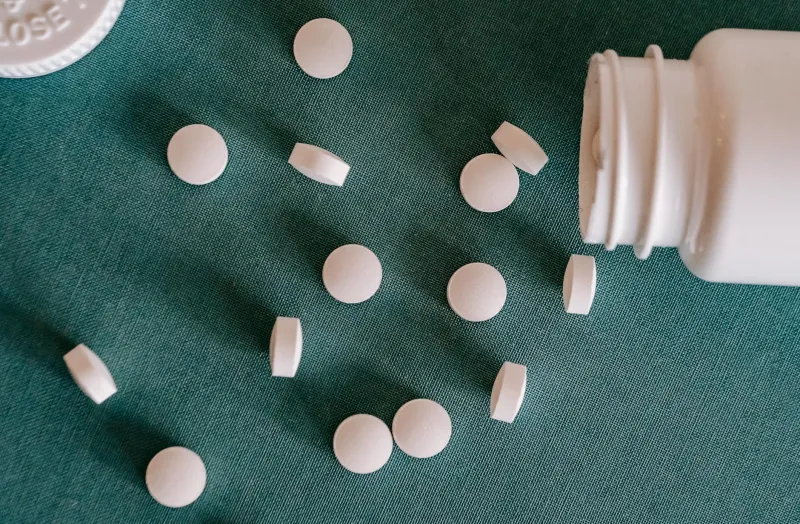
Why Are Melatonin and Immunity Linked?
Melatonin is a hormone produced by the pineal gland, widely recognised for regulating the circadian rhythm. Researchers have also noted its immunomodulatory properties. Immune cells — including T-lymphocytes, NK cells, and macrophages — carry melatonin receptors, suggesting a direct signalling channel.
Sleep itself is fundamental to immune defence: cytokines that support pathogen resistance are released during sleep. So melatonin's immune role may partly operate through its sleep-quality-improving effect.
Infection and Illness Evidence
Clinical data on melatonin in direct immunity contexts remain limited. One randomised study found that melatonin supplementation helped reduce infection markers in intensive-care patients (Shilo et al., 2006). However, most trials are conducted in sick or severely ill patients rather than healthy athletes.
In animal models, melatonin shows clear anti-inflammatory and oxidative-stress-reducing effects (Reiter et al., 2018). Human trial results are positive but modest, and a large portion use high medical doses.
Who Is Most Likely to Benefit?
From an immunity standpoint, melatonin may be most useful for:
- People with disrupted circadian rhythm (shift workers, frequent flyers, late chronotypes)
- Intensely training athletes at elevated risk of overtraining and suppressed immunity
- Older adults whose natural melatonin production declines with age
For healthy young athletes with a regular sleep schedule, direct immune benefits are not well established.
Dose and Safety
Doses used for sleep support are typically 0.5–5 mg, taken 30–60 minutes before bed. Immunity research has used higher doses, but these are not recommended for self-supplementation without healthcare guidance.
Products at maxfit.ee include ICONFIT Capsules Melatonin N90, 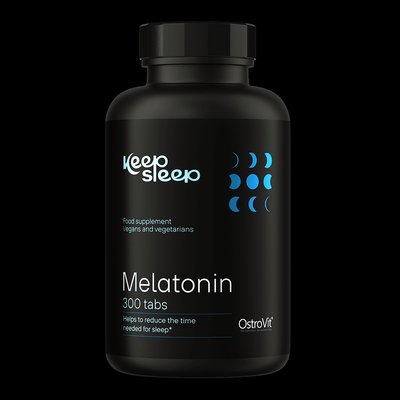 OstroVit Keep Sleep Melatonin€8.90 In stock 300tabs, and BIOTECHUSA Melatonin 90tab, all formulated for sleep and recovery support. The full melatonin range is at maxfit.ee.
Melatonin is generally well tolerated for short-term use. Long-term effects are less studied, especially in children and adolescents.
Honest Verdict
Melatonin is a well-supported sleep hormone. Its immune effect is biologically plausible and clear in animal models, but clinical evidence in healthy athletes is insufficient to make strong immune-boosting recommendations. If your sleep is good, nutrition, stress management, and training consistency remain far more impactful immune supports.
References
Shilo, L., Dagan, Y., Smorjik, Y., Weinberg, U., Dolev, S., Komptel, B., Balaum, H., & Shenkman, L. (2006). Patients in the intensive care unit suffer from severe lack of sleep associated with loss of normal melatonin secretion pattern. American Journal of the Medical Sciences, 317(5), 278–281. https://doi.org/10.1097/00000441-199905000-00002
Reiter, R. J., Tan, D. X., Rosales-Corral, S., Galano, A., Zhou, X. J., & Xu, B. (2018). Mitochondria: central organelles for melatonin's antioxidant and anti-aging actions. Molecules, 23(2), 509. https://pubmed.ncbi.nlm.nih.gov/29495303/
Cardinali, D. P., Esquifino, A. I., Srinivasan, V., & Pandi-Perumal, S. R. (2008). Melatonin and the immune system in aging. Neuroimmunomodulation, 15(4–5), 272–278. https://pubmed.ncbi.nlm.nih.gov/19047804/
FAQ
Is melatonin good for preventing colds?
Direct clinical evidence for cold prevention in healthy adults is lacking. Melatonin's primary immune benefit may come from improving sleep quality, which in turn supports immune defence.
What dose of melatonin should I use for sleep?
Most experts recommend starting low — 0.5–1 mg taken 30 minutes before bed. Higher doses are not more effective and may cause morning grogginess.
Can athletes get an immune benefit from melatonin?
Intensely training athletes with disrupted sleep patterns are most likely to benefit. Regular, quality sleep supports immunity, and melatonin helps improve sleep quality — that is probably its primary immune mechanism.



