
Melatonin After 50: Benefits & Safety
Melatonin is the hormone that regulates the body's sleep-wake cycle, and its story becomes increasingly relevant as we age. After 50, natural melatonin production declines — a process that begins in middle age and continues gradually. This biological shift is one of the reasons sleep often becomes lighter, shorter, and more fragmented in older adults. Understanding how melatonin supplementation can help — and the important caveats around dosing and medications — is worthwhile for anyone in this life stage.
Age-Related Need: Why Melatonin Matters More After 50
The pineal gland produces melatonin in response to darkness, and this production peaks in childhood and adolescence before declining through adult life. In older adults, not only is less melatonin produced, but the peak of production may shift earlier in the evening and the overall duration of elevated melatonin in the bloodstream shortens.
This reduced melatonin signal means the circadian rhythm — the internal body clock — becomes weaker and more susceptible to disruption by light, irregular schedules, or travel. The consequences include difficulty falling asleep, more frequent awakenings, and earlier morning waking.
A meta-analysis examining melatonin supplementation in adults with sleep disorders found that melatonin reduced sleep onset latency and improved subjective sleep quality, with effects that appeared relevant across age groups (Ferracioli-Oda et al., 2013).
Absorption Changes in Older Adults
Older adults process melatonin differently than younger people. Hepatic metabolism (the liver's breakdown of melatonin) is generally slower with age, which means the same dose may produce a higher peak blood concentration and a longer duration in the body compared with a younger person taking the same amount.
This pharmacokinetic change is one reason why lower doses are typically recommended for older adults. A dose that is modest for a 30-year-old may be excessive for a 70-year-old. Extended-release formulations may be preferable for some seniors, as they more closely mimic the gradual rise and sustained elevation of natural melatonin, rather than the spike produced by immediate-release tablets.
Dose and Safety Considerations
The commonly studied and used dose range for melatonin in older adults in clinical research spans from low amounts (well under 1 mg) to moderate amounts. The evidence suggests that starting at the lower end and using the minimum effective dose is prudent, particularly given the slower metabolism in older adults.
Key safety considerations:
- Morning grogginess: If melatonin is taken too close to waking time, or if the dose is higher than needed, residual drowsiness the following morning is possible. This is more common with immediate-release forms and higher doses.
- Daytime drowsiness: A related concern — particularly for those who drive. Taking melatonin earlier in the evening and at a lower dose reduces this risk.
- Thermoregulation: Melatonin influences body temperature, which is part of the sleep initiation mechanism. Some older adults report feeling chilly after taking it — this is physiologically expected and not a cause for concern.
Interactions with Medications
This is an important section for older adults, who are statistically more likely to be taking one or more regular medications.
Melatonin can potentially interact with:
- Blood thinners (anticoagulants): Melatonin has mild anticoagulant properties. If you take warfarin or other blood thinners, discuss melatonin use with your physician before starting, as it could theoretically increase bleeding risk.
- Diabetes medications: Melatonin may affect insulin sensitivity and blood glucose levels. Those taking medication to manage blood sugar should monitor glucose more closely when adding melatonin.
- Sedatives, hypnotics, and CNS depressants: Additive sedative effects are possible. Taking melatonin with these classes of drug can increase drowsiness.
- Immunosuppressants: Melatonin has immune-modulating activity; those taking immunosuppressant therapy should seek medical advice before use.
For any individual taking prescription medication, consulting a pharmacist or physician before starting melatonin is the responsible step — not because danger is certain, but because the interaction landscape varies by individual.
When to Supplement
Melatonin is not a sleeping pill — it does not produce the deep sedation that hypnotic drugs do. Its role is to signal to the body that it is time to prepare for sleep. Timing matters more than with many other supplements:
- Take melatonin roughly thirty to sixty minutes before the desired sleep time.
- Dim the lights and reduce screen exposure in the period after taking it, to allow the melatonin signal to work alongside reduced light stimulus.
- For shift workers or those adjusting to time zone changes, timing of melatonin relative to the target sleep window is critical.
For older adults whose primary complaint is early morning waking (waking at 3–4 am and being unable to return to sleep), extended-release melatonin taken at the normal bedtime may be more helpful than standard immediate-release formulas.
At maxfit.ee in the melatonin category you can find ICONFIT Capsules Melatonin N90, 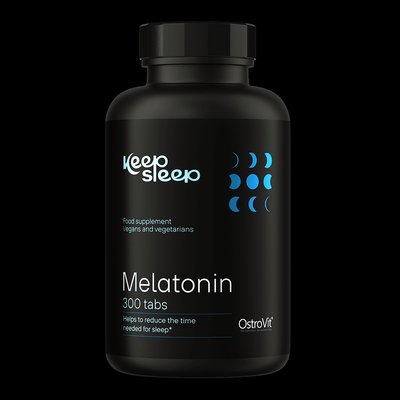 OstroVit Keep Sleep Melatonin€8.90 In stock 300tabs, BIOTECHUSA Melatonin 90tab, and
 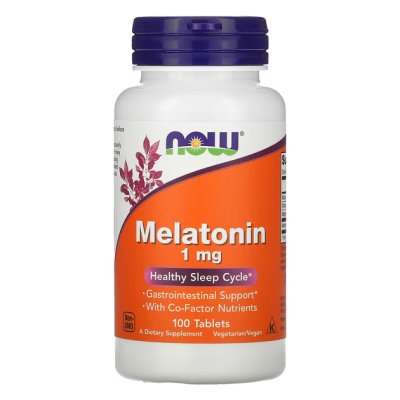 NOW Melatonin 1mg Complex€11.90 In stock 100tabs — the NOW 1mg option is particularly relevant for seniors starting at a low dose.
FAQ
Can I take melatonin every night long-term?
Melatonin does not produce dependency or withdrawal in the way that pharmaceutical sleep medications do. Long-term nightly use appears safe for most adults based on available evidence. Some sleep specialists suggest intermittent use (a few nights per week) rather than nightly to avoid blunting the body's response, but this is precautionary rather than evidence-based for melatonin specifically.
Does melatonin help with the quality of sleep, or just falling asleep faster?
Research suggests melatonin primarily reduces sleep onset latency — the time it takes to fall asleep. Effects on sleep architecture (the proportion of deep and REM sleep) are less consistent across studies. Some older adults report more refreshing sleep, but this is not universal.
Should I take melatonin with or without food?
Melatonin can be taken with or without food. A high-fat meal before bed may slightly delay absorption, but this is not clinically significant for most people. Taking it on an empty stomach tends to produce a faster onset.
References
Ferracioli-Oda, E., Qawasmi, A., & Bloch, M. H. (2013). Meta-analysis: melatonin for the treatment of primary sleep disorders. PLOS ONE, 8(5), e63773. https://pubmed.ncbi.nlm.nih.gov/23691095/
Cagnacci, A., Cannoletta, M., Renzi, A., Baldassari, F., Arangino, S., & Volpe, A. (2005). Prolonged melatonin administration decreases nocturnal blood pressure in women. American Journal of Hypertension, 18(12 Pt 1), 1614-1618. https://pubmed.ncbi.nlm.nih.gov/16364834/
Pandi-Perumal, S. R., Zisapel, N., Srinivasan, V., & Cardinali, D. P. (2005). Melatonin and sleep in aging population. Experimental Gerontology, 40(12), 911-925. https://pubmed.ncbi.nlm.nih.gov/16183237/



