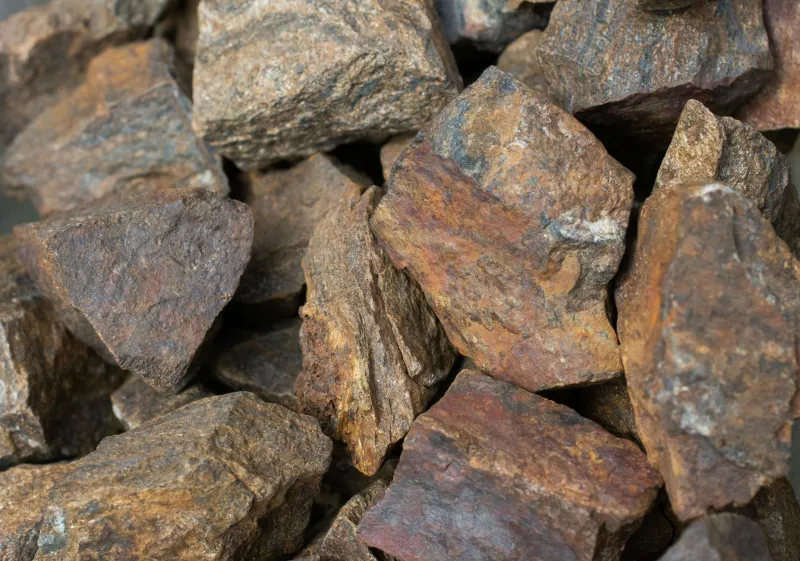
Manganese: Essential but Rarely Discussed
Manganese (Mn) is a trace mineral that rarely makes headlines, yet its absence has clear consequences: impaired bone formation, disrupted blood glucose control, compromised antioxidant defences, and slower recovery from training. It is an essential cofactor for dozens of enzymes involved in energy production, bone development, and oxidative stress management (Aschner & Aschner, 2005).
Manganese is abundant in whole grains, nuts, legumes, and leafy green vegetables — foods that tend to be underconsumed in high-protein, Western-style diets.
Core Functions of Manganese
Energy Enzyme Activation
Manganese is a critical cofactor for arginase (urea cycle), pyruvate carboxylase (gluconeogenesis), and manganese superoxide dismutase (MnSOD). This means manganese plays a direct role in both carbohydrate and fat utilisation for energy production.
Bone Formation
Manganese activates glycosyltransferases and galactosyltransferases — enzymes essential for synthesising chondroitin sulphate and heparan sulphate, the proteoglycan building blocks of bone and cartilage. Without manganese, the bone matrix is structurally weaker.
MnSOD Antioxidant Defence
Manganese superoxide dismutase (MnSOD) is a mitochondrial enzyme that neutralises superoxide radicals generated during normal cellular respiration. During intense training, mitochondrial reactive oxygen species production surges — making MnSOD activity especially critical for athlete recovery.
Blood Glucose Regulation
Manganese is a cofactor for several insulin-related enzymes. Animals made manganese-deficient develop glucose intolerance, suggesting a role in insulin signal transduction.
Wound Healing
By activating collagenases and prolyl hydroxylase, manganese contributes to collagen synthesis — needed by skin, muscle, and connective tissue during repair.
Signs of Suboptimal Manganese Status
Severe clinical deficiency is rare but suboptimal levels correlate with:
- Musculoskeletal problems — poor bone density, joint aches
- Elevated oxidative stress markers after training
- Impaired glucose tolerance
- Slow wound and tissue healing
Top Dietary Sources
| Food | Manganese (mg/100 g) |
|---|---|
| Whole grains (oats, wheat) | 2.9–3.5 |
| Almonds | 2.2 |
| Spinach | 0.9 |
| Brussels sprouts | 0.3 |
| Blueberries | 0.3 |
| Black pepper seeds | 5.5 |
Manganese Daily Requirements and Safety
| Group | Daily Adequate Intake |
|---|---|
| Adult men | 2.3 mg |
| Adult women | 1.8 mg |
| Pregnant women | 2.0 mg |
| Breastfeeding | 2.6 mg |
The tolerable upper intake level is 11 mg/day. Supplemental overdose is rare at normal doses, but chronic occupational exposure (mining, welding) can cause manganism — a Parkinson's-like neurological syndrome. Supplemental amounts of 1–10 mg are safe.
Multivitamins vs. Standalone Manganese
Most people with diverse whole-food diets meet manganese needs without supplementation. Exceptions:
- Low whole-grain, nut-limited dieters
- Those eating high-phytate plant foods without varied vegetable intake
- Older adults with reduced absorption efficiency
At maxfit.ee, BIOTECHUSA Multi Mineral Complex 100tab covers manganese alongside calcium, magnesium, zinc and other essential minerals — a practical single-source solution. 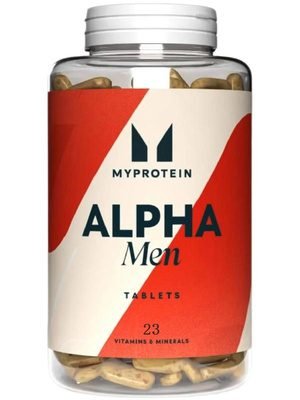 MyProtein Alpha Men Multivitamins€19.90 In stock 240 Tabs also includes manganese as part of a comprehensive mineral profile.
Manganese and Joint Health
For athletes, manganese's role in cartilage is particularly relevant. Chondroitin sulphate and glucosamine sulphate — the most popular joint supplements — require manganese-dependent glycosyltransferases for their synthesis. This means suboptimal manganese status may reduce the effectiveness of even the best joint supplements.
FAQ
Do I need a manganese supplement if I eat varied whole foods?
Probably not. Most people following a diverse diet with whole grains, legumes, and vegetables meet manganese requirements comfortably. Supplementation is most useful for those with restricted diets, intense training loads, or bone and joint concerns.
What is the difference between manganese and magnesium?
They are entirely different minerals with different functions. Magnesium is a key electrolyte and muscle-relaxation mineral; manganese is primarily an enzyme cofactor operating at the level of bone, energy metabolism, and antioxidant defence. The confusion is common due to similar names.
Does manganese absorb well from capsules?
Yes. Manganese chloride, manganese sulfate, and chelated forms used in supplements are reasonably bioavailable, though dietary phytates, calcium, and iron can compete for absorption and reduce uptake modestly.
Manganese and Joint Disease: The Scientific Perspective
Studies with osteoarthritis patients have found lower manganese levels in articular cartilage compared to healthy controls. Manganese is essential for proteoglycan synthesis — particularly chondroitin and heparan sulphate, which provide cartilage with its water-retaining and shock-absorbing properties. Low manganese means structurally weaker cartilage from the ground up.
This explains why manganese is included in many joint-support formulations alongside glucosamine and chondroitin. Without adequate manganese, the body may not fully utilise exogenous glucosamine — because incorporating it into cartilage structures requires manganese-dependent glycosyltransferases.
Beyond Joint Health: What Research Is Exploring
Manganese's MnSOD antioxidant system is an active research area in several chronic disease contexts:
- Cancer biology: Lower MnSOD activity is associated with some tumour types — particularly breast cancer risk. Higher MnSOD activity protects mitochondrial DNA from oxidative mutations that could promote uncontrolled cell growth.
- Neurodegeneration: MnSOD's role is being investigated in Alzheimer's and Parkinson's disease contexts, where mitochondrial oxidative damage is a key pathological feature.
All of this underlines why optimal manganese status — achieved through a varied diet and, when needed, mineral complexes like BIOTECHUSA Multi Mineral Complex 100tab available at maxfit.ee — matters for long-term health beyond just athletic performance.
References
- Aschner, J. L., & Aschner, M. (2005). Nutritional aspects of manganese homeostasis. Molecular Aspects of Medicine, 26(4–5), 353–362.
- Erikson, K. M., Thompson, K., Aschner, J., & Aschner, M. (2007). Manganese neurotoxicity: a focus on the neonate. Pharmacology & Therapeutics, 113(2), 369–377.
- Takeda, A. (2003). Manganese action in brain function. Brain Research Reviews, 41(1), 79–87.
- Reginster, J. Y., & Deroisy, R. (2002). Glucosamine sulfate as a potential treatment for knee osteoarthritis. Rheumatology, 41(5), 495–496.



