Natural Food Sources of Manganese
Manganese is a trace mineral that the human body requires in small but consistent amounts for enzyme function, bone formation, and antioxidant defence. Unlike some micronutrients that are difficult to obtain from diet alone, manganese food sources are widespread in plant-based foods, making adequate intake achievable through a balanced diet for most people.
Top Food Sources of Manganese
The richest dietary sources of manganese are whole grains, legumes, nuts, seeds, and certain vegetables. The following categories consistently provide meaningful amounts:
Whole Grains and Cereals
Oats, brown rice, whole wheat bread, and spelt are excellent manganese food sources. Whole grain oats in particular are among the highest-manganese foods available. A serving of rolled oats provides a substantial portion of the daily requirement.
Nuts and Seeds
Hazelnuts, pecans, almonds, and pine nuts are notably high in manganese. Among seeds, pumpkin seeds and flaxseeds also contribute meaningfully. These foods are also practical for athletes who rely on calorie-dense snacks.
Legumes
Chickpeas, lentils, and soybeans are good sources. A cooked portion of chickpeas or lentils can contribute noticeably to daily manganese intake.
Leafy Greens and Vegetables
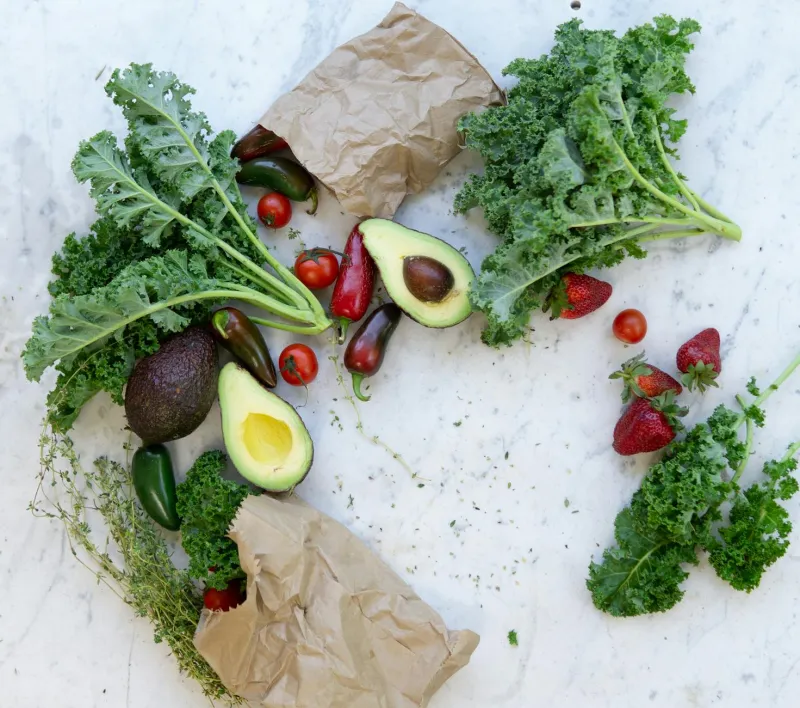
Spinach, kale, and other dark leafy greens provide manganese alongside other micronutrients. Pineapple is the fruit with the highest manganese concentration and is frequently cited in nutritional tables.
Tea
Brewed black and green tea is a significant contributor to manganese intake in populations that drink tea regularly. The manganese in tea is well absorbed in the context of normal dietary patterns (Davidsson et al., 2004).
Bioavailability from Food vs Supplement
Manganese absorption from food is influenced by the food matrix and concurrent nutrients. Phytates in whole grains and legumes can reduce absorption, while organic acids (such as citrate) can enhance it. Research has shown that calcium and iron compete with manganese for intestinal absorption transporters, meaning that high intakes of either mineral may modestly reduce manganese uptake (Finley, 1999).
Dietary manganese absorption is typically in the range of five to ten percent of intake, and the body tightly regulates this through biliary excretion rather than adjusting absorption, which is why toxicity from food is not reported in healthy individuals. Supplemental manganese in chelated or gluconate forms follows similar absorption pathways.
Daily Targets from Diet
Adequate intake values for manganese differ slightly by authority. The European Food Safety Authority has set an adequate intake of manganese for adults. For most adults with a diet that includes whole grains, legumes, and vegetables regularly, dietary manganese food sources alone are likely to meet needs without supplementation.
Athletes with high caloric intakes from plant-rich diets will typically consume more manganese than sedentary individuals by default, simply because they eat more food overall.
Cooking and Storage Effects
Manganese is relatively stable during cooking. Boiling vegetables causes some loss into cooking water — estimates suggest a portion of the mineral leaches out depending on the vegetable type and cooking time. Steaming or stir-frying preserves more manganese than prolonged boiling. For grains, the milling process is the main concern: refining whole grains into white flour removes the bran and germ where most manganese is concentrated, substantially reducing the mineral content of the final product (Finley, 1999).
Storage conditions have little effect on manganese because it is a stable inorganic element not subject to oxidative or enzymatic degradation.
When Food Sources Are Not Enough
For most healthy adults, manganese food sources provide adequate intake. Situations where supplementation might be considered include:
- Highly restricted diets that exclude grains, legumes, and nuts (e.g., certain elimination diets)
- Malabsorption conditions affecting mineral uptake broadly
- Athletes with very high training loads where micronutrient demands may exceed what a standard diet supplies across multiple nutrients
If you train hard and find it difficult to include enough whole plant foods in your daily diet, a multivitamin or mineral complex available at maxfit.ee can provide a baseline of manganese alongside other essential micronutrients.
FAQ
Is it easy to get enough manganese from food?
Yes, for most people eating a varied diet that includes whole grains, legumes, nuts, and vegetables. Diets that are very low in plant foods — relying heavily on refined carbohydrates, animal products, and processed foods — are more likely to be low in manganese.
Can you get too much manganese from food?
Toxicity from dietary manganese in healthy individuals is not reported. The body regulates manganese levels primarily through excretion rather than absorption control. Toxicity concerns are associated with occupational or environmental inhalation exposure, not food consumption.
Does drinking tea affect manganese intake?
Yes. Regular tea drinkers can obtain a meaningful fraction of daily manganese from brewed black or green tea. This is generally considered beneficial rather than problematic, as food-derived manganese does not accumulate to toxic levels in healthy people (Davidsson et al., 2004).
References
Davidsson, L., Almgren, A., Juillerat, M. A., & Hurrell, R. F. (2004). Manganese absorption in humans: the effect of phytic acid and ascorbic acid in soy formula. American Journal of Clinical Nutrition, 79(4), 651-658. https://pubmed.ncbi.nlm.nih.gov/15159238/
Finley, J. W. (1999). Manganese absorption and retention by young women is associated with serum ferritin concentration. American Journal of Clinical Nutrition, 70(1), 37-43. https://pubmed.ncbi.nlm.nih.gov/10393136/



