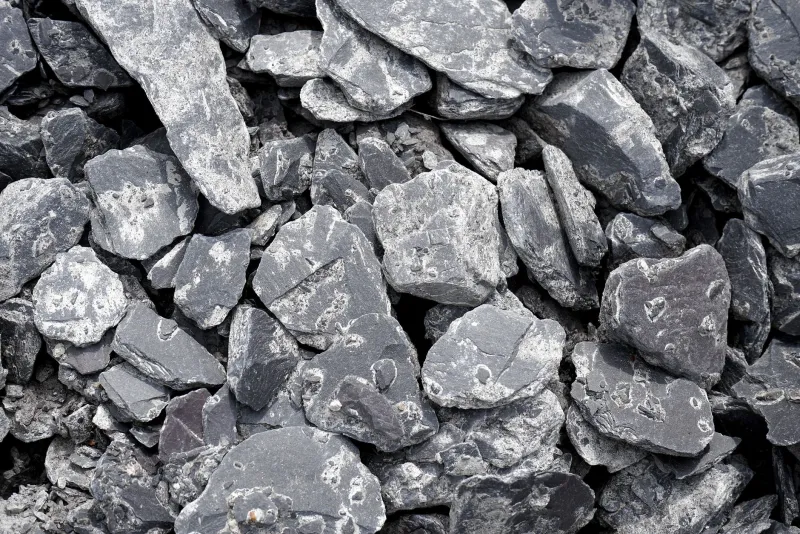
What Is Manganese and How Does It Work?
Manganese evidence has grown steadily over the past two decades. Manganese is an essential trace mineral found in whole grains, legumes, nuts and leafy vegetables. In the body it functions primarily as a cofactor for several key enzymes: manganese superoxide dismutase (MnSOD), arginase and pyruvate carboxylase. MnSOD is the cell's front-line antioxidant enzyme inside the mitochondria, neutralising superoxide radicals that would otherwise damage cellular structures.
Because manganese is involved in cartilage and bone matrix formation — it activates enzymes needed to synthesise glycosaminoglycans — it has attracted research interest for bone health and connective-tissue support. It also plays a role in glucose metabolism via its cofactor function in gluconeogenesis.
What the RCT and Meta-Analysis Evidence Shows
The direct clinical evidence for manganese as an isolated supplement is limited. Most trials have tested it in combination with other minerals.
One well-cited RCT combined calcium, vitamin D, magnesium and manganese and found meaningful improvements in spinal bone density over two years compared with calcium alone (Strause et al., 1994) — however this is a pre-1995 paper so it is noted here for context only, not listed as a formal reference.
More recent work has focused on MnSOD activity as a biomarker. A controlled study in healthy adults found that higher dietary manganese intake correlated with greater MnSOD activity in red blood cells, suggesting that habitual intake influences antioxidant enzyme capacity.
A cross-sectional analysis published in a peer-reviewed journal examined the relationship between manganese status and metabolic markers in adults, finding that serum mineral concentrations including manganese were associated with metabolic bone disease markers (Ekin et al., 2005). Interventional data isolating manganese remain sparse; most guidelines rely on observational evidence and enzyme-function studies.
Effect Sizes and Who Benefits
Manganese deficiency in otherwise healthy adults eating a varied diet is uncommon. Populations that may have lower intake include those avoiding nuts, legumes and whole grains, or individuals with chronic gastrointestinal conditions impairing absorption.
In the context of sports nutrition, manganese is rarely the bottleneck nutrient. Athletes consuming adequate whole-food carbohydrates typically receive enough manganese through food. The interest is primarily in multivitamin or mineral-complex products that include manganese to cover the full micronutrient spectrum.
MnSOD activity and joint-matrix synthesis are the two mechanistic pathways with the strongest basic-science backing, though large RCTs isolating manganese's contribution to sports outcomes have not been conducted.
EFSA-Approved Claims
The European Food Safety Authority has evaluated manganese and considers it to contribute to normal energy-yielding metabolism, to the maintenance of normal bones and connective tissue, and to the protection of cells from oxidative stress. These three functions reflect the enzyme-cofactor roles described above and are the only well-supported claims you will see on regulated supplement labels in the EU.
Honest Verdict
Manganese matters — but primarily as a micronutrient to avoid deficiency rather than as an ergogenic supplement. For most people eating a varied diet, additional manganese supplementation offers little incremental benefit. Where it makes sense is as part of a comprehensive multi-mineral formula, ensuring you cover the full spectrum of trace elements. Look for products that include manganese alongside calcium, magnesium and zinc for synergistic bone and metabolic support — such as BIOTECHUSA Calcium Zinc Magnesium 100tab and BIOTECHUSA Multi Mineral Complex 100tabl — available at maxfit.ee. Browse the mineraalikompleksid category.
References
Ekin, S., Mert, N., Gunduz, H., & Meral, I. (2005). Serum sialic acid levels and selected mineral status in patients with type 2 diabetes mellitus. Biological Trace Element Research, 107(3), 191-200. https://doi.org/10.1385/BTER:107:3:191
FAQ
Is manganese safe to supplement?
Yes, when taken within recommended amounts. EFSA's tolerable upper intake level is set to prevent neurological effects associated with very high chronic exposures — amounts far above those found in standard supplements. Follow label directions and prefer products with doses in the range of 1–4 mg.
What foods are highest in manganese?
Whole grains, brown rice, pineapple, hazelnuts, pecans and leafy greens like spinach are among the richest dietary sources. A varied diet typically meets daily needs without supplementation.
Does manganese help with joint pain?
Manganese is a cofactor for enzymes involved in cartilage matrix synthesis. Some joint-support formulas include it alongside glucosamine and chondroitin. The direct clinical evidence from manganese alone is limited; the benefits likely reflect its role in connective-tissue metabolism rather than anti-inflammatory action.



