
What Is Manganese and Why Does the Body Need It?
Manganese is an essential trace mineral — small amounts are required for normal physiological function, and frank deficiency causes measurable harm. It acts primarily as a cofactor for enzymes involved in carbohydrate and amino acid metabolism, bone formation, and antioxidant defence. Manganese is a required component of manganese superoxide dismutase (MnSOD), one of the body's primary mitochondrial antioxidant enzymes.
Despite being essential, manganese deficiency is uncommon in the general population because it is distributed widely in plant foods. However, certain populations and dietary patterns increase risk, and the consequences of prolonged low manganese intake are meaningful.
Deficiency Symptoms
Classic manganese deficiency in humans is rare but has been documented in controlled metabolic studies. Recognised signs include:
- Skeletal abnormalities: Impaired bone mineralisation, reduced bone density. Manganese deficiency is associated with reduced activity of glycosyltransferases needed for proteoglycan synthesis in cartilage and bone.
- Impaired glucose tolerance: Manganese is required for the activity of glutamine synthetase and other enzymes involved in insulin signalling and glucose metabolism.
- Increased oxidative stress: Reduced MnSOD activity leads to increased mitochondrial free-radical accumulation, contributing to cellular damage and fatigue.
- Slow wound healing: Manganese is involved in collagen cross-linking and connective tissue synthesis.
- Neurological symptoms: Tremor and impaired coordination have been described in severe experimental deficiency, though these are not seen at levels typical of dietary insufficiency.
Mild, subclinical manganese insufficiency is more practically relevant: reduced antioxidant capacity and suboptimal bone metabolism without obvious symptoms.
At-Risk Groups
People With High Phytate Diets
Phytate (phytic acid) in whole grains, legumes, and nuts binds manganese and reduces its absorption. Paradoxically, plant-heavy diets — which are high in manganese-containing foods — may deliver less bioavailable manganese due to phytate. This can be mitigated by soaking, fermenting, or sprouting grains and legumes before consumption.
Athletes With High Training Volume
Intense exercise generates substantial mitochondrial oxidative stress, increasing demand on MnSOD. Athletes undergoing high training volumes — particularly endurance athletes — may have higher manganese turnover. Bone remodelling is also accelerated by exercise, increasing manganese demand for bone matrix synthesis.
People With Digestive Conditions
Inflammatory bowel disease, coeliac disease, and other conditions reducing nutrient absorption can impair manganese uptake from food. Similarly, people who have undergone extensive bowel surgery may have reduced absorptive capacity.
Post-Menopausal Women
Manganese works synergistically with calcium, vitamin D, and other bone-supportive nutrients. Post-menopausal women, who are already at elevated risk for bone density loss, may have greater benefit from ensuring adequate manganese alongside more widely supplemented bone nutrients.
How Manganese Is Tested
Manganese status is assessed through:
- Whole blood or serum manganese: Serum manganese reflects recent intake but is a poor marker of long-term status. Whole blood manganese is more stable.
- Hair or urine manganese: Used in research but not standard clinical practice.
- Indirect markers: MnSOD activity in lymphocytes has been used in research settings to assess functional manganese status.
Routine blood panels do not include manganese. If you suspect deficiency, request a specific manganese level from your physician, particularly if you have risk factors.
Nordic and Estonian Context
Estonian diets, like most Northern European diets, contain adequate manganese on paper — rye bread, oats, root vegetables, and berries are all reasonable sources. However, food processing and cooking losses, combined with high phytate content in staple grains, mean that bioavailable manganese may be lower than food composition tables suggest.
The Nordic climate also reduces access to manganese-rich seasonal produce (leafy greens, tropical fruits) during winter months, making dietary manganese intake more variable across the year.
When to Supplement vs. Dietary Sources
Dietary Sources
Good dietary manganese sources include:
- Whole grains (oats, rye, wheat)
- Legumes (lentils, chickpeas)
- Nuts (particularly pecans and almonds)
- Leafy greens (spinach, kale)
- Dark berries (bilberries, blackcurrants — relevant for Estonia)
- Pineapple, ginger
For most people, a varied whole-food diet provides sufficient manganese without supplementation.
Supplemental Manganese
Multivitamin and multimineral products typically include manganese. Standalone manganese supplements are less commonly sold but available. Manganese is frequently included in joint-support formulas because of its role in cartilage proteoglycan synthesis.
At maxfit.ee, joint-health products in the luud-kohred-sidemed-liigesed category often include manganese as part of a comprehensive matrix. Products like MST Chondroitin Glucosamine MSM + HA 90tabs and OstroVit Glucosamine + MSM + Chondroitin 90tab may contain manganese alongside other joint-supportive minerals.
For general micronutrient insurance, broad-spectrum multivitamins from the vitamiinikompleksid category — such as 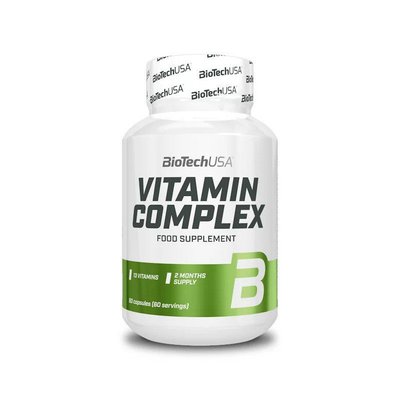 BIOTECHUSA Vitamin Complex€10.90 In stock 60caps or NOW Daily Vits 30 veg. caps. — typically include manganese at levels close to the daily reference value.
Important Safety Note: Upper Limit
Unlike many micronutrients, manganese toxicity (manganism) is a real risk at high supplemental doses, particularly in people with liver disease who have impaired manganese clearance. The tolerable upper intake level for adults from supplements is well below the threshold for toxicity when following label directions, but megadosing isolated manganese supplements should be avoided. Stay within labelled product guidelines.
FAQ
Can manganese deficiency cause joint pain?
Manganese is essential for proteoglycan synthesis in cartilage. Prolonged deficiency is associated with impaired cartilage structure, but joint pain is a non-specific symptom with many causes. Manganese is unlikely to be the sole driver of joint pain in the absence of other deficiency signs.
Does manganese help with blood sugar?
Manganese is a cofactor for enzymes involved in glucose metabolism, and experimental manganese deficiency impairs glucose tolerance. However, supplementing manganese in the absence of deficiency has not been shown to meaningfully improve blood sugar regulation in healthy individuals.
How much manganese do I need per day?
The adequate intake for adult men is around 2.3 mg per day, and for adult women around 1.8 mg per day. Most multivitamins provide 1–2 mg, which is appropriate for supplemental top-up alongside a varied diet.
References
Freeland-Graves, J. H., & Llanes, C. (1994). Models to study manganese deficiency. Manganese in Health and Disease, 59, 59–86.
De Baaij, J. H., Hoenderop, J. G., & Bindels, R. J. (2015). Magnesium in man: implications for health and disease. Physiological Reviews, 95(1), 1–46.
Aschner, J. L., & Aschner, M. (2005). Nutritional aspects of manganese homeostasis. Molecular Aspects of Medicine, 26(4–5), 353–362. https://pubmed.ncbi.nlm.nih.gov/16099026/



