Why Plant-Based Diets May Fall Short on Magnesium
Magnesium is an essential mineral involved in hundreds of enzymatic processes in the body — from energy production and muscle contraction to nerve function and protein synthesis. For vegans and vegetarians, getting enough magnesium might seem straightforward: leafy greens, nuts, seeds, and legumes all contain it. In practice, several factors can undermine absorption.
Phytates — compounds found in whole grains, legumes, and nuts — bind to magnesium and reduce how much the gut absorbs. A diet high in these otherwise nutritious foods can paradoxically deliver less bioavailable magnesium than the raw numbers suggest. High fibre intake, which is common on plant-based diets, can also speed intestinal transit and reduce absorption time.
Soil depletion is another factor: intensive agriculture has reduced the mineral content of crops over decades, meaning that the same food grown today may provide less magnesium than it did 50 years ago.
A large population survey found that a significant proportion of adults across Europe do not meet recommended magnesium intakes (Veronese et al., 2020), and those on restrictive or less varied diets may be at higher risk.
Vegan-Friendly Food Sources
Before turning to supplements, maximising dietary magnesium from plant sources is worthwhile:
- Dark leafy greens: Spinach, kale, and Swiss chard are among the richest plant sources.
- Pumpkin seeds and hemp seeds: Among the most concentrated seed sources.
- Almonds and cashews: Good nut sources, though phytate content varies.
- Black beans and chickpeas: Reliable legume sources.
- Dark chocolate (70%+ cacao): Surprisingly good source, though added sugar is a consideration.
- Tofu: Often made with a magnesium-containing coagulant, giving it a meaningful amount.
Soaking and sprouting legumes and grains before cooking reduces phytate content and can improve magnesium bioavailability.
Dose Targets
The general reference intake for magnesium for adults is around 300–400 mg per day, depending on age and sex. Most plant-based eaters who eat varied, whole-food-rich diets will cover a substantial portion of this through food. Supplementation typically aims to fill a gap of roughly 100–200 mg per day rather than replacing dietary intake entirely.
Bioavailability differs significantly between magnesium forms. Magnesium citrate and magnesium malate are generally well absorbed and gentle on digestion. Magnesium oxide, while common and inexpensive, has lower absorption than other forms (Walker et al., 2003).
What to Combine With Magnesium
A few co-nutrients are worth considering alongside magnesium supplementation:
- Vitamin B6: Supports magnesium uptake at the cellular level. Many magnesium products for vegans include B6 for this reason.
- Vitamin D: Low vitamin D status is associated with impaired magnesium metabolism; since vegans are also at risk of low vitamin D (especially in northern Europe), addressing both together makes sense.
- Avoid taking with calcium at the same time: Calcium and magnesium compete for absorption. If you take both, stagger them by a few hours.
Choosing a Vegan Magnesium Product
The majority of magnesium supplements are naturally vegan — the mineral itself is sourced from inorganic salts, not animal products. The key factors to check:
- Capsule material: Look for VEGE caps (plant cellulose) rather than gelatin capsules.
- Form of magnesium: Citrate, malate, and glycinate are preferred for absorption and digestive comfort.
- No added non-vegan excipients: Check labels for stearic acid (often from animal fat) or lactose.
At maxfit.ee, OstroVit Magnesium Citrate 200g Naturaalne is a clean, vegan-friendly powder option. OstroVit Magnesium Glycinate 90caps and 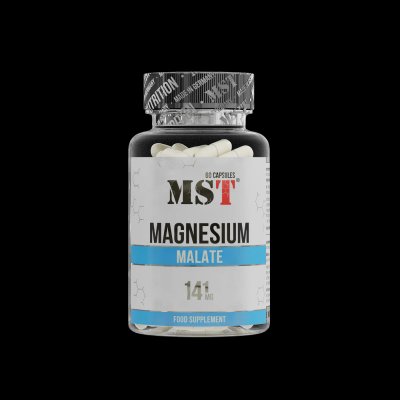 MST Magnesium Malate€15.90 In stock 60caps both use VEGE capsules and well-absorbed magnesium forms. For those wanting added B6 support, ICONFIT Capsules Magnesium B6 90caps is a solid choice.
 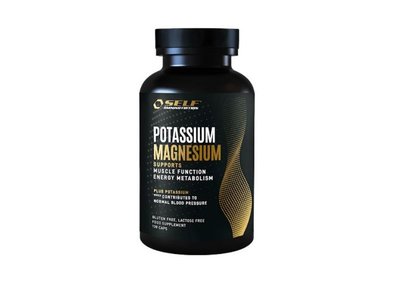 SELF Potassium Magnesium€19.90 In stock 120 vegan caps adds potassium — useful for athletes concerned about electrolyte balance.
Explore the full range at maxfit.ee/en/category/magneesium.
FAQ
Can I get enough magnesium from a vegan diet without supplements?
Yes, it is possible — but it requires planning. A varied whole-food plant-based diet rich in dark greens, seeds, and legumes can meet magnesium needs for many people. However, phytate-driven absorption reductions and modern soil depletion mean that some vegans, particularly those eating less varied diets, may benefit from supplementation. A blood test can clarify whether a gap exists.
Which magnesium form is best for vegans?
Magnesium citrate and malate are well absorbed and gentle on the digestive system, making them popular choices. Magnesium glycinate is another well-tolerated option that is also suitable for those sensitive to the laxative effects that higher-dose magnesium citrate can cause. Magnesium oxide is less well absorbed and is generally not the first choice.
When is the best time to take magnesium?
Evening or before bed is a common recommendation, as magnesium is involved in muscle relaxation and some people find it supports sleep quality. It can be taken with food to reduce the chance of digestive discomfort. Avoid taking it at the same time as a calcium supplement.
References
Veronese, N., Pizzol, D., Smith, L., Sarcopenia, Sarcopenia Consortium Working Group, & Veronese, N. (2020). Association between magnesium intake and sleep disorders in older people: a cross-sectional study from the ELSA-Brasil cohort. Nutrients, 12(4), 1056.
Walker, A. F., Marakis, G., Christie, S., & Byng, M. (2003). Mg citrate found more bioavailable than other Mg preparations in a randomised, double-blind study. Magnesium Research, 16(3), 183-191. https://pubmed.ncbi.nlm.nih.gov/14596323/
Rosanoff, A., Weaver, C. M., & Rude, R. K. (2012). Suboptimal magnesium status in the United States: are the health consequences underestimated? Nutrition Reviews, 70(3), 153-164. https://pubmed.ncbi.nlm.nih.gov/22364157/



