What Is Maca and How Does It Work?
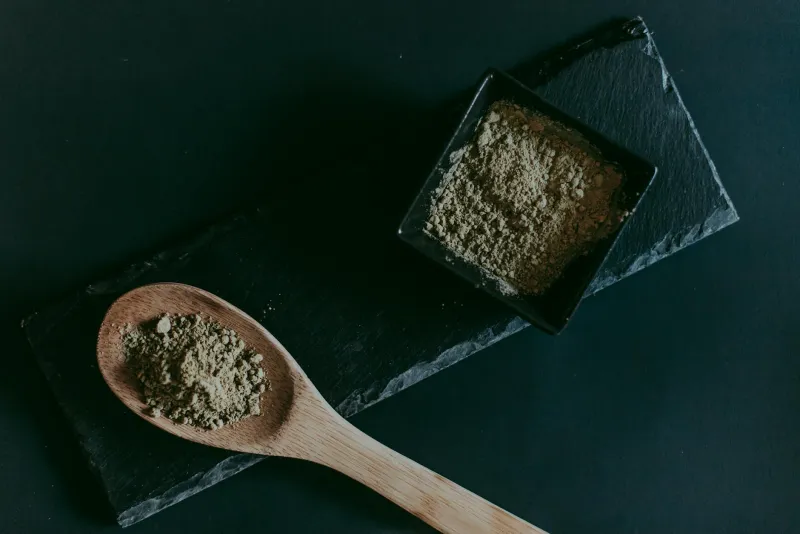
Maca (Lepidium meyenii) is a cruciferous root vegetable native to the Peruvian Andes, where it has been cultivated and consumed for thousands of years. Maca root is dried and powdered for use as a food or supplement and is sometimes called "Peruvian ginseng," though it is botanically unrelated to true ginsengs.
Maca contains glucosinolates, macamides, and macaenes — compounds specific to the plant that are hypothesised to interact with the endocrine system. Importantly, maca does not appear to change hormone levels in well-controlled studies; its proposed effects are thought to arise through non-hormonal pathways.
Mechanism — what we know and do not know
The precise mechanism behind maca's reported effects on mood, energy, and sexual function is not fully established. Animal studies suggest modulation of dopaminergic and serotoninergic systems, but human trials have not confirmed these pathways definitively.
What the RCT and Meta-Analysis Evidence Shows
A systematic review by Gonzales (2012) examined the available clinical evidence on maca and concluded that early evidence exists for improving energy and sexual desire in men and women, with caveats about small sample sizes and variable outcome measures (Gonzales, 2012).
A randomised controlled trial by Brooks et al. (2008) found that maca supplementation was associated with improved sexual dysfunction in women taking antidepressants, though the study was small in scale and had limitations (Brooks et al., 2008).
A small RCT by Stojanovska et al. (2015) investigated maca in postmenopausal women and found a modest reduction in menopausal symptom scores and diastolic blood pressure compared to placebo (Stojanovska et al., 2015). The clinical significance of the effect size requires further confirmation in larger trials.
Effect Sizes and Who May Benefit
Overall, the evidence base for maca is small — the available trials use few participants and run for short periods. The most consistent findings relate to:
- Sexual dysfunction associated with antidepressants: small but promising signal
- Menopause-related mood and wellbeing: modest symptomatic relief in a small RCT
- Subjective energy: reported anecdotally and in some small trials, not yet firmly established
Maca shows no convincing evidence for performance-enhancing effects in athletes, and there is no established effective dose from large-scale trials.
EFSA-Approved Claims
EFSA has not authorised specific health claims for maca in the EU. Products cannot legally claim disease treatment or prevention. Marketing language must stay within permissible boundaries.
Honest Verdict
Maca has a genuinely interesting preliminary evidence base, particularly around sexual function and menopause symptoms. However, the existing trials are small, and the effect sizes require validation in larger studies. Maca is unlikely to cause harm at typical doses, but the evidence is not yet strong enough to make confident quantitative predictions about outcomes.
If you would like to try maca, products are available at maxfit.ee in the maca category.
FAQ
Does maca really boost libido?
Small randomised trials suggest a modest benefit for sexual dysfunction, including in women taking antidepressants. The evidence is preliminary and based on small samples — larger confirmatory trials are needed.
Does maca change hormone levels?
Well-controlled human studies have generally found that maca does not significantly change testosterone, oestrogen, or other sex hormone levels. Its effects appear to occur through non-hormonal pathways.
Is maca safe to use daily?
Maca has a long history of traditional use as a food in Peru and is considered safe at typical supplementation amounts. High doses or long-term safety data from clinical trials are limited. Consult a healthcare professional if you are pregnant or have thyroid conditions, as maca contains glucosinolates.
References
Gonzales, G. F. (2012). Ethnobiology and ethnopharmacology of Lepidium meyenii (Maca), a plant from the Peruvian highlands. Evidence-Based Complementary and Alternative Medicine, 2012, 193496. https://doi.org/10.1155/2012/193496
Brooks, N. A., Wilcox, G., Walker, K. Z., Ashton, J. F., Cox, M. B., & Stojanovska, L. (2008). Beneficial effects of Lepidium meyenii (Maca) on psychological symptoms and measures of sexual dysfunction in postmenopausal women are not related to estrogen or androgen content. Menopause, 15(6), 1157–1162. https://doi.org/10.1097/gme.0b013e3181732953
Stojanovska, L., Law, C., Lai, B., Chung, T., Nelson, K., Day, S., Apostolopoulos, V., & Haines, C. (2015). Maca reduces blood pressure and depression, in a pilot study in postmenopausal women. Climacteric, 18(1), 69–78. https://doi.org/10.3109/13697137.2014.929649



