How to Maximize L-Theanine Absorption
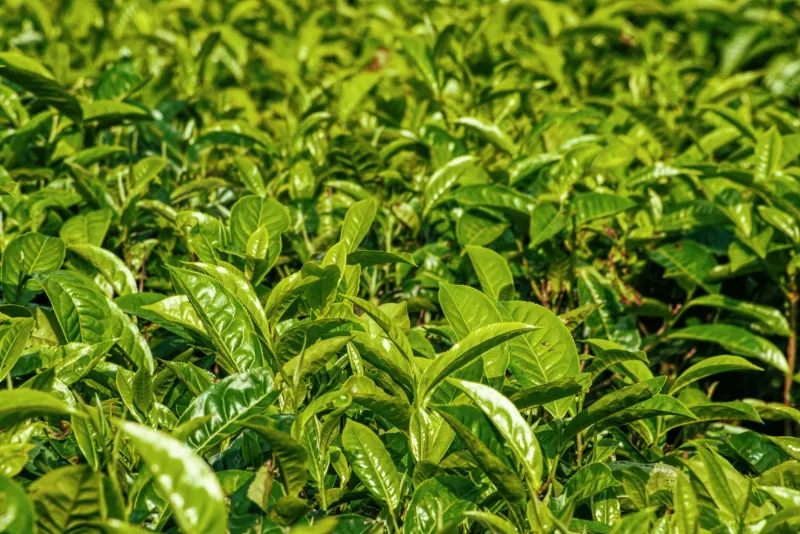
L-theanine is a non-protein amino acid found almost exclusively in tea leaves (Camellia sinensis) and certain mushrooms. It is one of the more straightforwardly bioavailable compounds in the supplement world, but a few factors can influence how effectively your body absorbs and uses it. Understanding these helps you get consistent results from L-theanine supplementation.
What Limits L-Theanine Absorption
L-theanine is absorbed through the small intestinal epithelium via amino acid transporters. In a pharmacokinetic study, oral L-theanine showed reliable absorption with plasma levels peaking within approximately one hour post-ingestion in healthy volunteers (Ogasawara et al., 2006). This is relatively fast for an amino acid.
The main absorption limiters are:
- Large competing meals: As with other amino acids, a substantial mixed-protein meal can dilute and slow absorption due to transporter competition
- Individual GI motility: Slower gut transit generally extends the absorption window without dramatically reducing total uptake
- Form: Tea-infused theanine versus isolated supplement capsules behave similarly in absorption, but the presence of other tea compounds may slightly alter kinetics
Cofactors That Help
L-theanine's most studied functional synergy is with caffeine. A combination of theanine and caffeine has been shown in multiple randomised trials to improve attention, reaction time, and reduce perceived fatigue more than either compound alone (Owen et al., 2008). This is not strictly an absorption effect — it is a functional interaction at the neurological level — but it is the most clinically meaningful modifier of theanine's effects.
ICONFIT Capsules Good Sleep N90 contains L-theanine and is available at maxfit.ee. Browse the l-teaniin category at maxfit.ee for available options.
Form and Timing Effects
L-theanine is typically best absorbed on a relatively empty or light-food stomach. A large fatty meal before ingestion may slightly delay peak plasma levels. For focus or pre-work use, taking it 30–45 minutes before the target period and before (or with) caffeine is a common practical approach.
For sleep support, many people find taking theanine 30–60 minutes before bed effective, as the compound promotes alpha-wave brain activity associated with relaxed alertness. The temporal relationship to sleep is less about peak absorption and more about timing relative to the desired effect.
For general calming support throughout the day, morning or early-afternoon dosing is typical. There is no known cumulative build-up effect — theanine does not need to be "loaded" like creatine.
Food Pairings
| Pairing | Effect |
|---|---|
| L-theanine + caffeine | Improved focus, reduced jitteriness (well-supported by RCTs) |
| L-theanine + green tea | Natural delivery with additional polyphenols |
| L-theanine + large protein meal | Slightly slower absorption, no practical problem |
| L-theanine + fat-heavy meal | Minor delay in peak plasma; not clinically significant |
Practical Tips
- For focus tasks: take theanine 30 minutes before starting, with or without your morning coffee
- For sleep support: take 30–60 minutes before bed, without caffeine
- Choose capsule products with verified theanine content (look for standardised Suntheanine or equivalent)
- Water or light food is the ideal co-ingestion vehicle for fastest absorption
- Avoid very high doses without reason — the dose-response curve for theanine is not linear and there is no evidence that more is better above a certain level
FAQ
Should I take L-theanine with food or on an empty stomach?
Either works. An empty or light stomach may produce faster peak absorption, but the practical difference is small. Consistency of timing matters more than the precise fed/fasted state.
How long does L-theanine take to work?
Based on pharmacokinetic data, effects on brain alpha-wave activity are detectable within 30–60 minutes of ingestion (Ogasawara et al., 2006). Most users notice effects within about an hour.
Can I take L-theanine every day?
Yes. L-theanine is well tolerated in daily use. There is no known tolerance development or withdrawal effect at typical supplemental doses.
References
Ogasawara, T., Wakabayashi, C., Chiba, T., Takahashi, M., & Iwanaga, T. (2006). Absorption and metabolism of l-theanine in rats. Journal of Nutritional Biochemistry, 17(4), 223–230.
Owen, G. N., Parnell, H., De Bruin, E. A., & Rycroft, J. A. (2008). The combined effects of L-theanine and caffeine on cognitive performance and mood. Nutritional Neuroscience, 11(4), 193–198. https://pubmed.ncbi.nlm.nih.gov/18681988/
Nobre, A. C., Rao, A., & Owen, G. N. (2008). L-theanine, a natural constituent in tea, and its effect on mental state. Asia Pacific Journal of Clinical Nutrition, 17(Suppl 1), 167–168. https://pubmed.ncbi.nlm.nih.gov/18296328/



