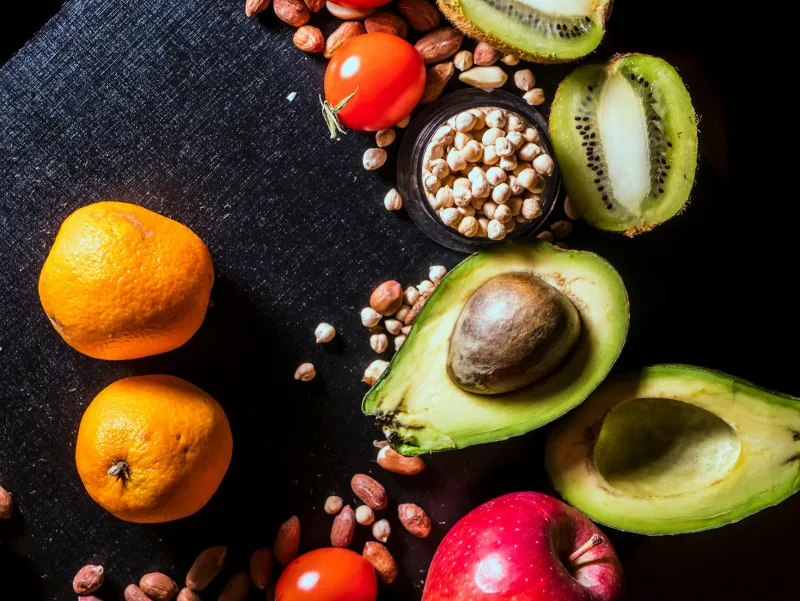
Natural Food Sources of L-Ornithine
L-ornithine is a non-essential amino acid that plays a central role in the urea cycle, the biochemical pathway responsible for converting ammonia — a byproduct of protein metabolism — into urea for excretion. Beyond its role in waste clearance, ornithine has attracted sports nutrition interest for its potential to reduce exercise-induced fatigue and support growth hormone secretion. Understanding the natural L-ornithine food sources helps determine how much the diet contributes and when a supplement may be worth considering.
Top Dietary Sources of L-Ornithine
L-ornithine occurs naturally in protein-containing foods as part of the amino acid pool, though it is not a standard component of dietary protein (unlike the 20 canonical amino acids). Rather, it is produced in cells as an intermediate in the urea cycle and appears in the diet primarily through foods with relatively high arginine and citrulline content, from which ornithine can be interconverted.
Foods that provide meaningful L-ornithine content include:
- Meat and fish: Animal protein sources, particularly pork and chicken, contain ornithine as part of their free amino acid pools. Fish such as salmon, tuna, and mackerel are among the better sources.
- Dairy: Milk, yogurt, and cheese contain ornithine, though in moderate amounts.
- Eggs: The egg white protein profile includes some ornithine.
- Watermelon: Rich in citrulline, which converts to ornithine in the body via argininosuccinate pathways — making it indirectly relevant as a dietary source.
- Nuts and seeds: Contain small amounts of ornithine and arginine-related compounds.
Compared with well-characterized amino acids like leucine or lysine, precise published data on ornithine content per serving of specific foods is limited, since it exists partly as a metabolic intermediate rather than purely as a dietary protein building block.
Bioavailability from Food vs Supplement
Ornithine from food sources is absorbed as part of the broader free amino acid pool. Its bioavailability depends on the efficiency of gastrointestinal transport and the competitive absorption dynamics among amino acids sharing the same transporter.
For supplemental L-ornithine used in research — typically L-ornithine hydrochloride or L-ornithine alpha-ketoglutarate (OKG) — oral bioavailability is good. A randomized, double-blind, crossover trial found that L-ornithine supplementation at a dose of 2 g per day for 8 weeks reduced the perceived fatigue and improved athletic efficiency in participants performing high-intensity exercise (Sugino et al., 2008). This level of targeted delivery is not achievable from normal food consumption.
Daily Targets from Diet
There is no established dietary reference value for L-ornithine specifically, as it is synthesized endogenously through the urea cycle and from arginine. Dietary intake of arginine (found in meats, dairy, nuts) supports endogenous ornithine production.
For general metabolic function and urea cycle support, a protein-sufficient diet provides the precursors needed for adequate ornithine levels in most healthy individuals.
Cooking and Storage Effects
Ornithine is a stable amino acid that survives most cooking methods without significant degradation. Like other amino acids, it is not uniquely destroyed by standard culinary heat. However, prolonged very high-temperature cooking may reduce some free amino acid content in meats.
For food products, standard refrigeration and normal consumption within freshness windows preserve amino acid integrity adequately.
When Food Is Not Enough
For athletes aiming at the specific fatigue-reduction effects or growth hormone-related benefits documented in ornithine research, dietary intake alone is unlikely to deliver the doses studied. The research doses (2–6 g per day) are well above what typical food consumption provides from ornithine-containing foods.
Ornithine is also of interest for its role in arginine/ornithine/lysine synergies for growth hormone support. Products combining these amino acids are often used in this context.
Available at maxfit.ee: NOW Arginine & Ornithine 100 veg. caps. combines arginine and ornithine — a classic combination for sports nutrition applications. OstroVit AOL 3000 120caps provides an arginine-ornithine-lysine formula designed for active individuals. OstroVit Ornithine 200g is a pure ornithine powder for flexible dosing. Browse the ornithine category.
FAQ
Can I get enough L-ornithine from food for athletic performance benefits?
For the fatigue-reduction and growth hormone support effects documented in research, targeted supplemental doses are needed that are not practically achievable from food alone. Regular protein consumption from varied sources supports baseline urea cycle function, but if you are specifically targeting ornithine's performance benefits, a supplement is the practical route.
Is L-ornithine related to L-arginine?
Yes. Ornithine and arginine are metabolically linked in the urea cycle. Arginine is converted to ornithine (and then to citrulline) as part of the cycle. Many sports supplements combine arginine and ornithine because they share related functions. Watermelon's high citrulline content also feeds into this pathway, making it indirectly relevant.
Are there any concerns with ornithine supplementation?
L-ornithine is generally well tolerated at supplemental doses used in research. High doses may cause transient gastrointestinal discomfort in some individuals. As with all amino acid supplements, discussing use with a healthcare provider is advisable for individuals with kidney or liver conditions, as the urea cycle is central to nitrogen disposal.
References
Sugino, T., Shirai, T., Kajimoto, Y., & Kajimoto, O. (2008). L-ornithine supplementation attenuates physical fatigue in healthy volunteers by modulating lipid and amino acid metabolism. Nutrition Research, 28(11), 738-743. https://pubmed.ncbi.nlm.nih.gov/19083482/
Bucci, L. R., Hickson, J. F., Pivarnik, J. M., Wolinsky, I., McMahon, J. C., & Turner, S. D. (2000). Ornithine ingestion and growth hormone release in bodybuilders. Nutrition Research, 10(3), 239-245.



