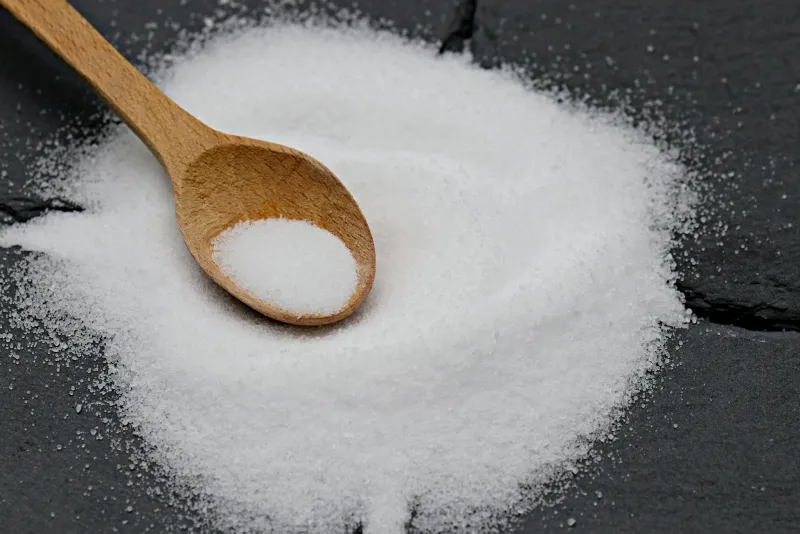
What Is L-Lysine and Why Does Dosage Matter?
L-lysine is an essential amino acid — one the body cannot synthesise and must obtain from food or supplements. It plays a foundational role in protein synthesis, collagen formation, and calcium absorption. For athletes, it contributes to muscle repair; for broader health, it is involved in carnitine production and immune support.
Dosage matters because the amount studied in controlled trials differs considerably depending on the goal: general nutritional adequacy, athletic recovery, or specific clinical applications. Understanding the right l-lysine dosage helps you avoid both under-dosing (which may leave you deficient) and unnecessary excess.
Studied Effective Dose Ranges
The World Health Organization estimates the adult requirement for lysine at approximately 30 mg per kg of body weight per day as a minimum dietary intake. For a person weighing 70 kg, that is about 2,100 mg per day from all dietary sources combined.
Supplementation studies for specific outcomes have generally used higher amounts. Flodin (1997) reviewed lysine supplementation and noted that doses of 1,000–3,000 mg per day have been evaluated in various clinical contexts. A randomised controlled trial by Smriga et al. (2004) used 2,640 mg of lysine per day and observed changes in anxiety-related markers and cortisol response in a population with low dietary lysine intake (Smriga et al., 2004).
For athletes, lysine is one of the amino acids that may become conditionally limited during heavy training, though total protein intake is the primary lever — supplemental lysine is typically used when dietary protein quality is low (e.g. predominantly plant-based diets).
Dose by Goal and Bodyweight
For general dietary support or plant-based diets low in lysine: 1,000–2,000 mg per day supplemental lysine is a commonly used range. For recovery support during high training volumes: some practitioners suggest up to 3,000 mg per day, though robust RCT evidence specific to athletic performance is limited. For cold sore prevention (Herpes simplex — a separate clinical application): trials have used 1,000–3,000 mg per day (Griffith et al., 1987).
Product labels provide per-serving amounts. NOW L-Lysine 1000mg 100tabs provides 1,000 mg per tablet, and OstroVit Lysine 200g is a powder form for flexible dosing. Both are available at maxfit.ee.
Upper Limits and Safety
Lysine has a good safety profile at typical supplemental doses. EFSA has not established a formal tolerable upper intake level for lysine as a single amino acid supplement. Studies up to 3,000 mg per day have not reported significant adverse effects in healthy adults. Very high doses (above 10,000 mg per day) may cause gastrointestinal symptoms such as nausea and diarrhoea. There are also theoretical concerns about lysine interfering with arginine metabolism at very high doses, which could affect nitric oxide production — but this is not a practical concern at typical supplemental doses.
Timing Relative to Meals
Amino acids are absorbed efficiently whether taken with or without food. However, taking lysine supplements with a meal can reduce potential gastrointestinal discomfort, particularly at higher doses. If you are using lysine specifically for cold sore prevention, some evidence suggests that reducing arginine-rich foods (nuts, chocolate) at the same time may support the effect — since lysine and arginine compete for absorption.
For athletes, taking lysine as part of a post-workout protein-containing meal or shake is practical and aligned with recovery timing.
Practical Protocol
- Estimate your dietary lysine intake first. If you eat adequate high-quality protein (meat, fish, dairy, eggs), you may already meet requirements without supplementation.
- If supplementing: begin with 1,000 mg per day with a meal and assess digestion.
- For higher targets (plant-based athletes or clinical protocols): work up gradually to 2,000–3,000 mg per day in divided doses.
- NOW L-Lysine 1000mg 100tabs or OstroVit Lysine 200g are practical formats available at maxfit.ee.
- There is no need to cycle lysine — it is an essential nutrient.
Browse the full l-lusiin category at maxfit.ee.
FAQ
What is the daily L-lysine dosage for athletes?
Most research has used 1,000–3,000 mg per day depending on context. Athletes eating a complete, protein-rich diet may not need supplementation, but those on plant-based or low-protein diets may benefit from 1,000–2,000 mg per day.
Can I take L-lysine every day?
Yes. Lysine is an essential amino acid consumed daily through food. Supplemental daily use at typical doses has a good safety profile in healthy adults based on available evidence.
Does L-lysine interact with other amino acids?
Lysine and arginine compete for the same intestinal transporters. Very high lysine intake may reduce arginine absorption. At typical supplemental doses this is unlikely to be a meaningful issue, but those using large amounts of arginine supplements simultaneously should be aware.
References
Smriga, M., Ando, T., Akutsu, M., Furukawa, Y., Miwa, K., & Morinaga, Y. (2004). Oral treatment with L-lysine and L-arginine reduces anxiety and basal cortisol levels in healthy humans. Biomedical Research, 25(4), 167–182.
Griffith, R. S., Walsh, D. E., Myrmel, K. H., Thompson, R. W., & Behforooz, A. (1987). Success of L-lysine therapy in frequently recurrent herpes simplex infection. Treatment and prophylaxis. Dermatologica, 175(4), 183–190. https://pubmed.ncbi.nlm.nih.gov/3115841/
Flodin, N. W. (1997). The metabolic roles, pharmacology, and toxicology of lysine. Journal of the American College of Nutrition, 16(1), 7–21. https://pubmed.ncbi.nlm.nih.gov/9013429/



