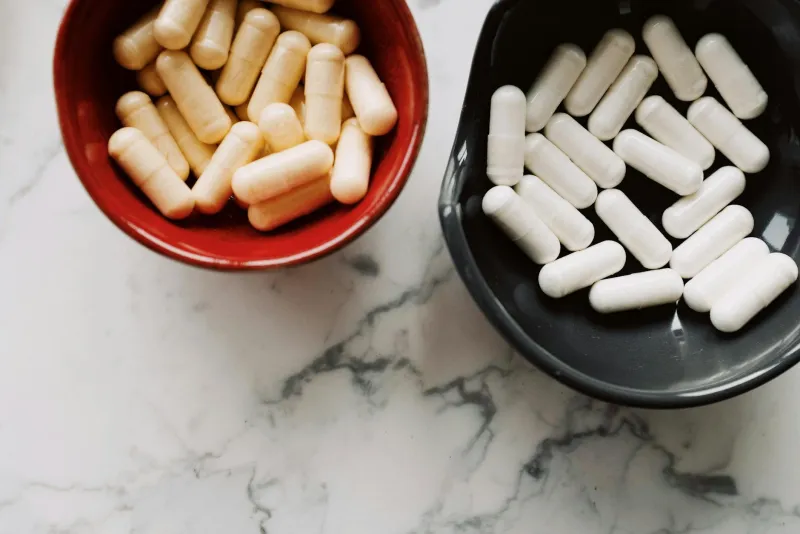
L-Glutamine: Latest Research & Evidence Update
L-glutamine is the most abundant free amino acid in the human bloodstream and muscle tissue. Despite being classified as conditionally essential -- meaning the body can synthesise it but may not always produce enough under high physiological stress -- it has attracted significant research attention in sports nutrition, gastroenterology, and critical care medicine. Here is an honest look at where the evidence currently stands.
What Recent Trials Show
The strongest clinical evidence for l-glutamine supplementation comes not from sports science, but from clinical medicine. In critically ill patients and those recovering from major surgery or burns, glutamine status plummets and provision via enteral or parenteral nutrition is associated with improved outcomes in some (though not all) trial designs. This gives us a reliable mechanistic anchor: under conditions of severe catabolic stress, exogenous glutamine can matter.
In sports contexts, the picture is more modest. A well-conducted study found that glutamine supplementation attenuated exercise-induced intestinal permeability increases compared to placebo (Zuhl et al., 2015). Intense endurance exercise can transiently compromise the gut barrier, and glutamine is a primary fuel for enterocytes (intestinal lining cells), so this finding is biologically plausible and practically relevant for endurance athletes.
For immune function, repeated heavy training can suppress immune markers temporarily -- a phenomenon sometimes called the open-window hypothesis. Early research suggested glutamine might buffer this, but more recent and better-controlled trials have shown smaller effects than initially hoped (Gleeson, 2008). The evidence does not support glutamine as a reliable immune-booster for healthy, well-fed athletes.
Shifts in Consensus
The most significant shift in recent years is the growing scepticism about glutamine's benefits for muscle mass and strength in healthy athletes. For many years, glutamine was marketed as an anti-catabolic agent that could preserve muscle during hard training. Multiple well-designed trials have since failed to find meaningful differences in muscle mass or strength outcomes between glutamine-supplemented and placebo groups in resistance-trained athletes eating adequate protein.
The prevailing consensus now is that if your diet already provides sufficient protein (and hence sufficient glutamine from food), supplemental glutamine offers little additional benefit for body composition or performance. The primary evidence-backed applications have narrowed to gut barrier integrity during heavy endurance training and critical illness recovery.
Still-Open Questions
The interaction between gut microbiome health and glutamine supplementation is an emerging area. Preliminary evidence suggests glutamine may support the abundance of beneficial gut bacteria, potentially via its role as an enterocyte fuel that maintains tight-junction integrity. Whether this translates to meaningful clinical outcomes in athletes remains to be demonstrated.
The dose question is also partially unresolved. Most trials use doses of 5-10 grams per day. Whether doses above this threshold provide greater benefit for gut integrity or other outcomes is not well characterised. Some protocols use acute high doses (20-30 grams) around intense exercise bouts, but the advantage over lower chronic dosing is unclear.
What It Means Practically
For the majority of athletes on a protein-rich diet, l-glutamine supplementation is unlikely to dramatically change body composition, strength, or recovery speed. The exception applies to specific contexts:
- Endurance athletes training at high volume who experience gastrointestinal distress, cramping, or recurrent gut issues during or after long sessions may benefit from glutamine supporting gut barrier function.
- Athletes or active individuals dealing with caloric restriction, where dietary glutamine intake is lower and the body's synthesis may not fully compensate.
- People returning from illness, surgery, or prolonged bed rest, where clinical evidence for glutamine is stronger.
At maxfit.ee you can find reliable l-glutamine options. Mutant L-Glutamine 300g and MST L-Glutamine RAW 500g Maitsestamata are straightforward pure-glutamine powders. OstroVit Glutamine 300g Naturaalne is another well-known option. See the full l-glutamine range for all available products.
Bottom Line
L-glutamine research has matured over the past decade, and the picture is clearer than it used to be. The supplement is genuinely useful in clinical catabolic states and may support gut integrity during heavy endurance training. For healthy athletes eating sufficient protein, it is a low-risk addition but not a game-changer. Save the budget for supplements with stronger performance evidence, and consider glutamine if gut health during intense training is a specific concern.
FAQ
Does l-glutamine help with muscle soreness after exercise?
The evidence here is mixed. Some studies report modest reductions in markers of muscle damage following glutamine supplementation, but effect sizes are generally small, and the findings have not been consistently replicated. It is not a standout recovery supplement for most athletes.
Can l-glutamine help with leaky gut?
Glutamine is a key fuel for the intestinal lining and has been shown to help maintain gut barrier function during physiological stress such as intense endurance exercise. For clinically diagnosed intestinal permeability issues, consult a gastroenterologist rather than relying on supplementation alone.
When is the best time to take l-glutamine?
Most sports nutrition protocols suggest taking glutamine post-workout or before bed, when the gut and muscles are both in recovery mode. For gut-health purposes during long endurance sessions, some athletes take a dose shortly before or during the session.
References
Zuhl, M., Lanphere, K., Kravitz, L., Mermier, C., Schneider, S., Dokladny, K., & Moseley, P. (2015). Effects of oral glutamine supplementation on exercise-induced gastrointestinal permeability and tight junction protein expression. Journal of Applied Physiology, 116(2), 183-191.
Gleeson, M. (2008). Dosing and efficacy of glutamine supplementation in human exercise and sport training. Journal of Nutrition, 138(10), 2045S-2049S. https://pubmed.ncbi.nlm.nih.gov/18806122/
Antonio, J., & Street, C. (1999). Glutamine: a potentially useful supplement for athletes. Canadian Journal of Applied Physiology, 24(1), 1-14. https://pubmed.ncbi.nlm.nih.gov/9916176/



