
What Is L-Glutamine?
L-glutamine is the most abundant amino acid in the body, making up approximately 60% of the total amino acid pool in muscle tissue. Although the body can synthesise glutamine itself, demand during stress, illness, and intense training often outpaces endogenous production, making it conditionally essential (Lacey & Wilmore, 1990).
Less well known is glutamine's role in gut health. The gut lining cells — enterocytes — use glutamine as their primary energy source, even ahead of glucose.
Glutamine and the Intestinal Barrier
The rapid turnover of gut mucosal cells (every 3–5 days) requires enormous amounts of energy. Glutamine:
- Fuels enterocytes and colonocytes
- Supports tight junction integrity
- Reduces intestinal permeability (the so-called leaky gut)
- Inhibits pro-inflammatory cytokine production in gut epithelial cells (Kim & Kim, 2017)
In a clinical trial (Rapin & Wiernsperger, 2010), glutamine supplementation at 30 g per day significantly reduced intestinal permeability compared to placebo in IBS patients.
Who Benefits from L-Glutamine?
People with Gut Issues
- Irritable bowel syndrome (IBS)
- Leaky gut (intestinal hyperpermeability)
- Inflammatory bowel disease (Crohn's, ulcerative colitis)
- Post-antibiotic gut flora restoration
Athletes
Intense training can deplete plasma glutamine levels by 30–45%. Low glutamine is associated with overtraining syndrome and increased gut permeability in marathon runners (Zuhl et al., 2014). Athletes benefit from glutamine both during training and in the recovery phase.
Post-Surgical Recovery
In clinical medicine, glutamine is widely used in post-operative parenteral nutrition protocols, as it accelerates gut healing and immune function recovery (Wischmeyer, 2011).
Best L-Glutamine Supplements
OstroVit Glutamine 300g Natural is a simple, unflavoured glutamine that can be added to drinks, porridge, or smoothies. The unflavoured version offers the greatest flexibility in how it is used.
MST L-Glutamine RAW 500g Unflavored is a high-quality micronised glutamine powder with excellent solubility — important when taking larger amounts dissolved in liquid.
Mutant L-Glutamine 300g delivers the same benefits from a well-known sports nutrition brand.
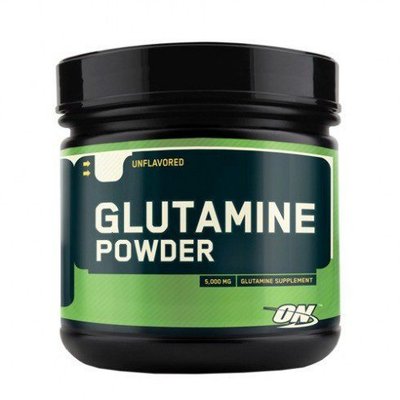 Optimum Nutrition Glutamine€39.90 In stock 630g is a high-volume option well suited to long-term use.
Explore glutamine supplements at maxfit.ee's L-glutamine category.
Dosing Guidelines
Doses used for gut health differ from sports-focused use:
| Goal | Recommended Dose | Timing |
|---|---|---|
| Gut health | 5–15 g/day | On an empty stomach, morning and evening |
| Athletic recovery | 5–10 g/day | After training |
| IBS/leaky gut | 15–30 g/day | Split across 3 meals |
Higher doses (above 20 g/day) should be used only short-term and ideally under medical supervision.
FAQ
Does glutamine harm the kidneys?
For clinically healthy individuals, intake up to 14 g/day is considered safe (Shao & Hathcock, 2008). People with kidney disease should discuss higher doses with a doctor, as glutamine is partly metabolised to ammonia.
Does glutamine help build muscle?
Directly — modestly. Glutamine's role in muscle hypertrophy is minor compared to other amino acids like leucine. However, glutamine supports muscle growth indirectly through better digestion, immune function, and recovery.
Can you get enough glutamine from food?
A typical diet provides roughly 3–6 g of glutamine per day. During intense training, illness, or gut inflammation, this is often insufficient.
References
- Lacey, J. M., & Wilmore, D. W. (1990). Is glutamine a conditionally essential amino acid? Nutrition Reviews, 48(8), 297–309.
- Kim, M. H., & Kim, H. (2017). The roles of glutamine in the intestine and its implication in intestinal diseases. International Journal of Molecular Sciences, 18(5), 1051.
- Zuhl, M. et al. (2014). Glutamine supplementation suppresses epinephrine-induced decrements in mucosal immunity in endurance trained athletes. Journal of the International Society of Sports Nutrition, 11(1), 14.
- Wischmeyer, P. E. (2011). Glutamine: role in critical illness and ongoing clinical trials. Current Opinion in Gastroenterology, 27(2), 151–157.
- Rapin, J. R., & Wiernsperger, N. (2010). Possible links between intestinal permeability and food processing. Clinics, 65(6), 635–643.



