What Is L-Glutamine and What Does It Do?
L-glutamine is a conditionally essential amino acid — meaning the body can produce it on its own under normal circumstances, but during periods of high physical stress (intense exercise, illness, injury), demand can outpace supply. It is the most abundant free amino acid in human blood and skeletal muscle.
Its main roles in the context of exercise and recovery:
- Muscle protein synthesis support: Glutamine is a substrate for protein building in muscle tissue. After intense exercise, muscle glutamine levels decline, and supplementing may help restore them more quickly.
- Gut integrity: The intestinal lining is a major consumer of glutamine. Maintaining gut integrity supports nutrient absorption, which indirectly benefits recovery.
- Immune function: Immune cells, particularly lymphocytes and macrophages, use glutamine as a primary fuel source. High training loads can transiently suppress immunity, and glutamine may play a supporting role (Cruzat et al., 2018).
For beginners, the most relevant benefit is likely the general recovery support during the early phase of training when muscle stress is high and the body is adapting.
How to Start Using L-Glutamine
Getting started with L-glutamine is simple:
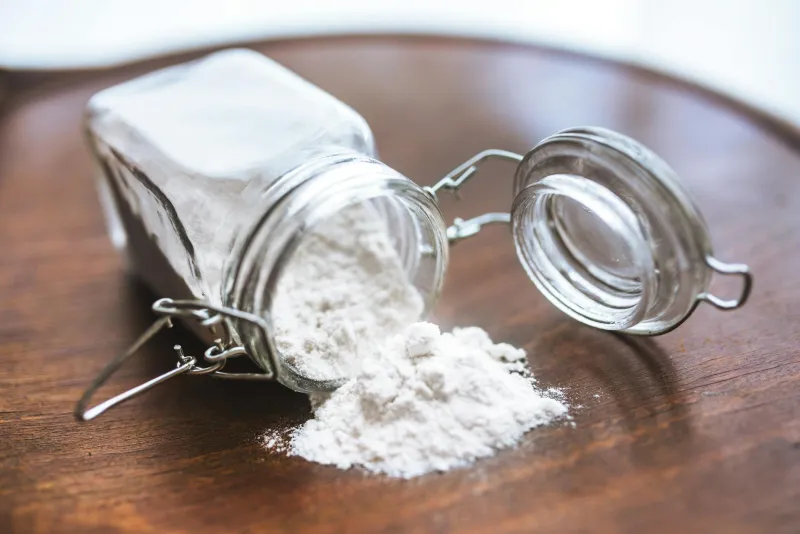
- Form: L-glutamine is most commonly sold as an unflavoured powder that mixes easily into water, juice, or a protein shake. Capsule forms are also available.
- Timing: Post-workout is the most popular timing, as muscle glutamine is depleted after exercise. Some people also take a dose first thing in the morning on training days to support gut function.
- With what: It mixes well with whey protein or a post-workout shake without affecting taste.
- Consistency: Daily use over several weeks is generally more effective than sporadic use on heavy training days only.
At maxfit.ee, Mutant L-Glutamine 300g, OstroVit Glutamine 300g Naturaalne, and MST L-Glutamine RAW 500g Maitsestamata are all clean, unflavoured powders ideal for mixing into any post-workout drink. Optimum-nutrition Glutamine 630g is a larger-format option for those who train consistently.
Browse the full range at maxfit.ee/en/category/l-glutamiin.
What to Expect and When
L-glutamine is a recovery supplement, not a performance booster. Realistic expectations:
- Reduced muscle soreness over time: Some users report less delayed-onset muscle soreness (DOMS) after intense sessions, particularly in the first few weeks of a new training programme.
- Better gut comfort: If you have been experiencing digestive discomfort around heavy training (nausea, irregularity), glutamine may offer some comfort — though any persistent gut issues should be assessed by a medical professional.
- Subtle immune support: You may find you get fewer minor illnesses during heavy training blocks — though this benefit is difficult to attribute to any single supplement.
A review of studies found that glutamine supplementation reduced exercise-induced gut permeability and may help preserve immune function during prolonged high-intensity exercise (Cruzat et al., 2018). However, direct effects on muscle hypertrophy in well-nourished individuals are modest at best.
Common Mistakes Beginners Make
- Expecting dramatic muscle gains. L-glutamine is not a mass builder. It is a recovery and gut-integrity aid. Expecting hypertrophy from glutamine alone leads to disappointment.
- Using it instead of eating enough protein. Glutamine works within a context of adequate overall protein intake. Replacing a protein supplement with glutamine is counterproductive.
- Sporadic use. Taking glutamine only on heavy training days and skipping it otherwise reduces its benefit, particularly for gut function which benefits from consistent daily intake.
- Ignoring the basics. Sleep, adequate calorie intake, and progressive training stimulus matter far more than any supplement, including glutamine.
- Buying expensive glutamine complexes. Plain L-glutamine powder is chemically identical to the glutamine in expensive blends. Save money and buy the basic powder.
Choosing an L-Glutamine Product
- Pure L-glutamine powder: The most cost-effective and versatile form. Check that the ingredient list says nothing but L-glutamine.
- Capsules: More convenient for travel or those who prefer not to mix powders, though generally more expensive per gram.
- BCAA + Glutamine blends: Useful if you also want a BCAA product, but assess whether you actually need both before buying a combo.
- Unflavoured vs flavoured: Unflavoured powder is the most flexible. Flavoured versions add sugars or sweeteners — check labels if you prefer to avoid these.
OstroVit Glutamine 5000mg 150caps is a good capsule option. DY The Glutamine Recovery 300g is another solid powder choice. All available at maxfit.ee/et/category/l-glutamiin.
FAQ
Do I need L-glutamine if I already eat enough protein?
Probably not as a priority. If your diet is rich in animal proteins (meat, fish, dairy, eggs), you already consume substantial glutamine from food — these are its richest natural sources. Supplementation is most relevant for those on restricted diets, those training at high volumes, or those experiencing significant gut discomfort around exercise.
Is L-glutamine safe for daily use?
Yes, L-glutamine is generally considered safe for healthy adults at typical supplemental amounts. It is a naturally occurring amino acid the body already produces in large quantities.
Can L-glutamine help with gut health?
Yes, this is probably its most evidence-supported application in the supplement context. The gut lining uses glutamine as a primary fuel. Studies in clinical populations have shown it supports gut mucosal integrity, and some evidence exists for similar benefits in high-volume athletes experiencing exercise-induced gut stress.
References
Cruzat, V., Macedo Rogero, M., Noel Keane, K., Curi, R., & Newsholme, P. (2018). Glutamine: metabolism and immune function, supplementation and clinical translation. Nutrients, 10(11), 1564. https://pubmed.ncbi.nlm.nih.gov/30360490/
Antonio, J., & Street, C. (1999). Glutamine: a potentially useful supplement for athletes. Canadian Journal of Applied Physiology, 24(1), 1-14. https://pubmed.ncbi.nlm.nih.gov/9916176/



