What Is L-Citrulline and Why Is It Used?
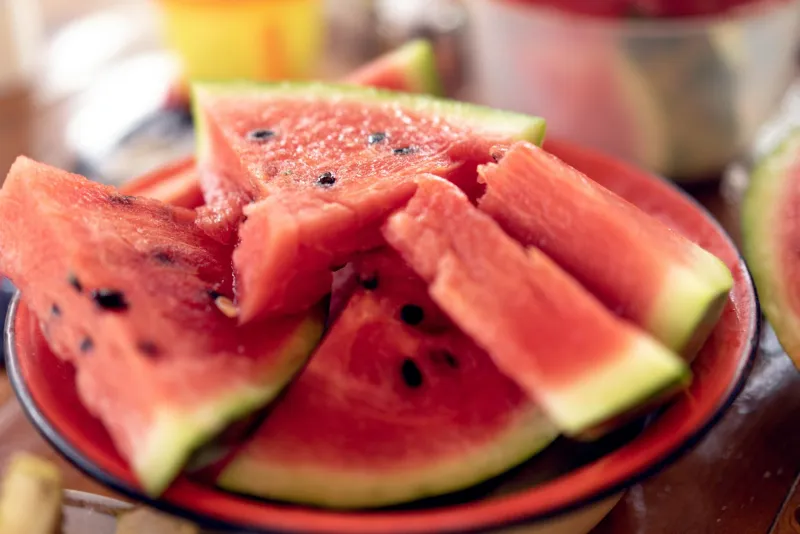
L-citrulline is an amino acid naturally found in watermelon and produced in the body as part of the urea cycle. After ingestion, it is converted to L-arginine in the kidneys, raising plasma arginine levels more efficiently than oral arginine itself — because it largely bypasses first-pass hepatic metabolism (Schwedhelm et al., 2008).
Higher plasma arginine availability means more substrate for nitric oxide (NO) synthesis. NO relaxes blood vessel walls, improving blood flow to working muscles — the physiological basis for the pump effect and for the interest in L-citrulline as a pre-workout supplement.
A second form, citrulline malate (citrulline bound to malic acid), has been studied for reducing exercise-induced fatigue, as malate is involved in the tricarboxylic acid (Krebs) cycle energy production.
Form and Starting Dose
L-citrulline supplements come in two main variants:
- Pure L-citrulline: the free amino acid, used for pump and blood flow effects.
- Citrulline malate: citrulline bound to malate; studied in contexts of muscular endurance. A double-blind RCT found that citrulline malate reduced muscle soreness and improved resistance exercise performance (Perez-Guisado & Jakeman, 2010).
For pure L-citrulline, follow the serving size on the product label. Products vary in concentration — some deliver a single concentrated gram, others a larger serving.
At maxfit.ee, look for options such as MST L-citrulline 1100mg 120caps, MST L-Citrulline 240caps, and OstroVit Citrulline 4400 150caps in the L-sitrulliin category. The combo MST Amino Pump L-Citrulline + L-Arginine 60caps and NOW Foods Arginine 500mg & Citrulline 120caps pair both pathways.
With or Without Food?
L-citrulline is best taken on an empty stomach or with a light snack. Large protein or fat-heavy meals can slow absorption. For the acute pre-workout pump effect, taking it 30–60 minutes before training with water is the standard approach.
Unlike some nutrients, L-citrulline does not require co-ingestion with carbohydrates or fat to be absorbed effectively.
Timing
- Pre-workout (30–60 minutes before exercise): the most evidence-aligned timing for blood flow and endurance support during training.
- Daily dosing: some users take L-citrulline consistently each day regardless of training, aiming for a sustained elevation of baseline plasma arginine. This approach may be more relevant for cardiovascular support uses.
There is no compelling reason to take citrulline post-workout specifically — the acute blood flow benefit is most relevant pre-exercise.
What to Pair L-Citrulline With
- L-arginine: a natural synergistic pair — arginine provides an immediate substrate pool while citrulline sustains plasma levels over the session.
- Beta-alanine: beta-alanine buffers muscle acid during high-intensity exercise; combined with citrulline's flow benefits, this combination covers both fatigue mechanisms.
- Creatine: creatine supports ATP regeneration; pairing with citrulline for blood flow creates a practical pre-workout stack.
- Electrolytes: when combined in a pre-workout formula, electrolytes support hydration during prolonged exercise.
Common Mistakes
Confusing pure citrulline with citrulline malate dosing. The research on citrulline malate for performance used formulations with a specific malate ratio. If a product label lists citrulline malate, the citrulline content per gram of product is lower than if it were pure citrulline.
Taking it too close to training. Plasma arginine levels peak approximately 30–60 minutes after ingestion. Taking citrulline just before you start your warm-up means peak levels may not arrive until mid-session. Earlier is better.
Expecting immediate visible muscle size. The pump from citrulline is a transient training effect — it does not cause lasting muscle hypertrophy on its own.
Ignoring hydration. NO-mediated vasodilation works in the context of adequate fluid intake. Citrulline taken with insufficient water during training reduces the blood flow benefit.
FAQ
How long before a workout should I take L-citrulline?
Aim for 30–60 minutes before training. This timing aligns with the peak in plasma arginine levels following citrulline ingestion, maximising the NO-driven blood flow effect during the session.
Can I take L-citrulline every day?
Yes. Daily use is safe and may help sustain baseline plasma arginine levels. Citrulline is a naturally occurring amino acid produced in the body and present in foods such as watermelon.
Does L-citrulline work for endurance sports as well as strength training?
Yes. The reduction in fatigue markers and improvement in exercise capacity from citrulline malate has been studied in both resistance and aerobic contexts (Perez-Guisado & Jakeman, 2010). Blood flow support benefits any exercise type that relies on oxygen delivery to muscles.
References
Schwedhelm, E., Maas, R., Freese, R., Jung, D., Lukacs, Z., Jambrecina, A., ... & Böger, R. H. (2008). Pharmacokinetic and pharmacodynamic properties of oral L-citrulline and L-arginine: impact on nitric oxide metabolism. British Journal of Clinical Pharmacology, 65(1), 51-59. https://pubmed.ncbi.nlm.nih.gov/17662090/
Perez-Guisado, J., & Jakeman, P. M. (2010). Citrulline malate enhances athletic anaerobic performance and relieves muscle soreness. Journal of Strength and Conditioning Research, 24(5), 1215-1222.



