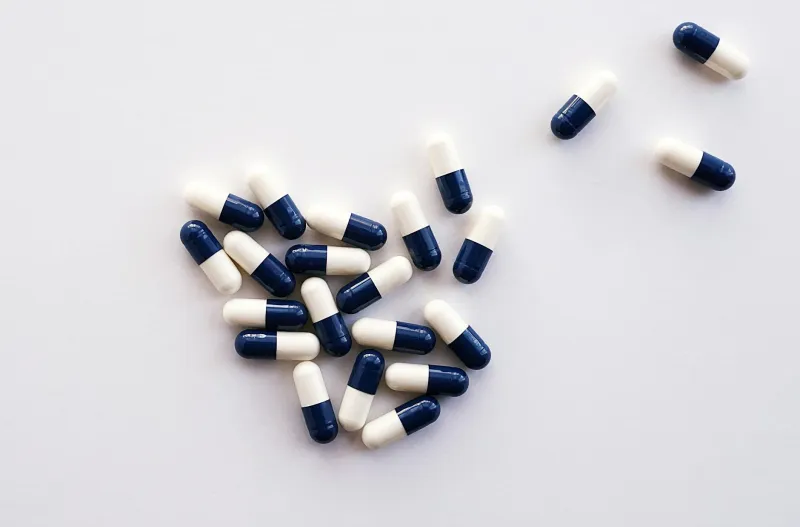
Best Form of L-Carnitine: How to Choose
L-carnitine plays a central role in energy metabolism by transporting long-chain fatty acids into the mitochondria for oxidation. It is endogenously synthesised from lysine and methionine, but supplemental l-carnitine is used by athletes for fat utilisation support, exercise recovery, and in some clinical applications. Several distinct l-carnitine forms exist, each with different absorption profiles, intended uses, and cost structures.
Forms Compared
| Form | Key features | Best for |
|---|---|---|
| L-carnitine L-tartrate (LCLT) | Fastest absorbed of the solid forms; stable; widely studied | Pre-workout, muscle recovery |
| Acetyl-L-carnitine (ALCAR) | Crosses blood-brain barrier; cognitive support | Brain support, older adults, neuropathic applications |
| Propionyl-L-carnitine (GPLC) | Better bioavailability in some tissues; vascular applications | Circulation, endurance |
| L-carnitine fumarate | Stable; moderate absorption | General use |
| Free-form L-carnitine (base) | Cost-effective; standard use | General supplementation |
| Liquid L-carnitine shots | Fast absorption; convenient; often higher sugar | Peri-workout, convenience |
| Powder | Flexible dosing; mixable | Custom stacks, value |
Bioavailability Differences
Oral bioavailability of L-carnitine is influenced by the gut microbiome, transport proteins, and the dose consumed. Higher single doses have proportionally lower absorption: at lower doses (around 1–2 g), oral bioavailability is significantly higher than at doses above 3 g, where the intestinal transporter becomes saturated and more carnitine is left for gut bacteria to metabolise.
A systematic review found that L-carnitine supplementation reliably increased plasma carnitine levels across forms, with liquid forms and tartrate-bound forms showing somewhat faster initial absorption compared with base capsules (Pooyandjoo et al., 2016). The practical difference in terms of final tissue effect is modest for most users.
Acetyl-L-carnitine (ALCAR) is worth distinguishing: its acetyl group allows it to cross the blood-brain barrier more readily, making it the preferred form for cognitive support applications. For fat metabolism support in muscle tissue, standard LCLT or base L-carnitine are the most commonly used and studied.
Cost per Effective Dose
Liquid shots are the most expensive per gram of carnitine delivered, due to packaging and convenience premium. OstroVit L-Carnitine shot 80ml is an example of the shot format. Capsules and tablets are more economical. Powder is typically the lowest cost per gram. For long-term daily supplementation, tablets or capsules offer the best balance of cost and convenience.
Which Form for Which Goal
Fat utilisation and body composition: L-carnitine L-tartrate is the most studied form for exercise-related applications. ICONFIT Capsules L-Carnitine 90caps, MST L-carnitine 90caps, and MyProtein L-Carnitine 180tabs available at maxfit.ee are capsule or tablet formats.
Cognitive support and focus: acetyl-L-carnitine (ALCAR) is the preferred form, though this application is more relevant for older adults or specific neurological support contexts.
Convenience on the go: liquid shots such as OstroVit L-Carnitine shot 80ml or multi-packs deliver a consistent dose without mixing.
Cost-effective daily use: OstroVit L-Carnitine 210g Naturaalne (powder) or BIOTECHUSA L-Carnitine drink powder 150g Sidruni jäätee offer flexibility and value.
Combined fat-loss support: some products combine L-carnitine with CLA and green tea extract for a broader metabolic support profile, such as OstroVit CLA + Green Tea + L-carnitine 90 caps.
What to Look for on the Label
- Specific carnitine form declared: look for "L-carnitine L-tartrate", "acetyl-L-carnitine", or "L-carnitine base" rather than a generic "carnitine" claim.
- Carnitine content per serving: the label should show the amount of actual L-carnitine equivalent, not just the compound weight (tartrate salt weighs more than the active carnitine component).
- Dose range: typical studied doses for exercise applications are in the 1–3 gram per day range. Products below 500 mg per serving may require multiple servings.
- Additions: some l-carnitine products include B vitamins, chromium, or other metabolic cofactors. Confirm these additions are useful for your goal.
- Sweetener system in liquids: liquid shots often use sweeteners — check the label if you are monitoring intake of specific compounds.
FAQ
Does L-carnitine actually help burn fat?
L-carnitine is essential for fat oxidation at the cellular level, but supplementation does not automatically increase fat burning unless tissue carnitine levels are suboptimal. A meta-analysis found that L-carnitine supplementation was associated with a modest reduction in body weight when combined with diet and exercise, compared with placebo (Pooyandjoo et al., 2016). It is a support tool, not a standalone fat burner.
What is the difference between L-carnitine and acetyl-L-carnitine?
L-carnitine (and its tartrate form) primarily supports fat transport into mitochondria in muscle and cardiac tissue. Acetyl-L-carnitine (ALCAR) has the additional property of crossing the blood-brain barrier, making it useful for brain energy metabolism and neurological support. For fitness-oriented goals, standard L-carnitine is typically used; for cognitive support, ALCAR is preferred.
When should I take L-carnitine?
For exercise applications, L-carnitine is often taken 30–60 minutes before training. For general daily supplementation, it can be taken at any time with food. Insulin appears to enhance carnitine transport into muscle, so taking it with a carbohydrate-containing meal may support uptake.
References
Pooyandjoo, M., Nouhi, M., Shab-Bidar, S., Djafarian, K., & Olyaeemanesh, A. (2016). The effect of (L-)carnitine on weight loss in adults: a systematic review and meta-analysis of randomized controlled trials. Obesity Reviews, 17(10), 970-976. https://pubmed.ncbi.nlm.nih.gov/27335245/
Broadway, J. W., Iqbal, K., Olsen, R. E., & Kendall, R. V. (2003). L-carnitine supplementation decreases the incidence of ventricular extra systoles in patients undergoing elective coronary angiography: a preliminary study. British Journal of Clinical Pharmacology, 56(6), 608-613.



