The Immune Mechanism: How Exercise, Hydration, and Electrolytes Connect
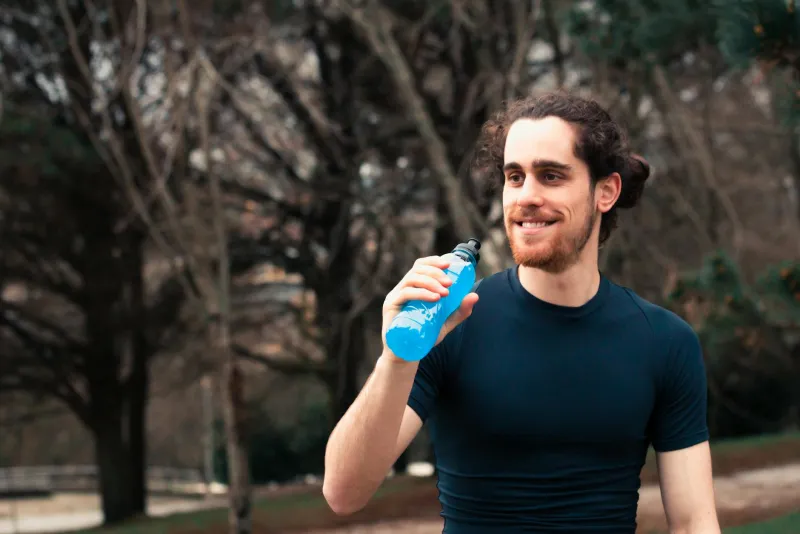
Isotonic drinks and energy gels are designed primarily to maintain fluid and electrolyte balance during sustained physical effort. Their primary proven role is performance maintenance, not immune support per se. However, the connection between exercise-induced physiology and immune function is meaningful and worth unpacking.
Prolonged moderate-to-high intensity exercise temporarily suppresses certain aspects of immune function — a phenomenon sometimes called the "open window" hypothesis. In the hours following an extended training session or race, mucosal immunity (particularly secretory IgA, the frontline antibody in the respiratory tract) can be transiently reduced, potentially increasing susceptibility to upper respiratory tract infections (URTI) in the short term (Gleeson, 2007). This is most relevant in endurance athletes during heavy training blocks.
Maintaining carbohydrate availability during prolonged exercise blunts the stress hormone response (cortisol and adrenaline) that accompanies fatigue-induced immunosuppression. Isotonic drinks that deliver carbohydrates during exercise therefore have an indirect immune-relevant effect: they reduce the physiological stress burden on the immune system during training.
Infection and Illness Evidence
Direct evidence that isotonic drinks and gels reduce infection rates in athletes is limited. Most research has examined carbohydrate intake during exercise as a modulator of the post-exercise immune window. A meta-analysis by Nieman & Wentz (2019) on nutrition and immune function confirmed that carbohydrate ingestion during prolonged exercise was among the most evidence-supported nutritional strategies for reducing exercise-induced immune perturbation.
Some isotonic formulas also include added vitamins — particularly vitamin C and B vitamins — which have established roles in normal immune function. However, supplementing with vitamin C above maintenance requirements has not been shown to reduce URTI incidence in the general population; the benefit is more specific to athletes undergoing heavy physical stress.
Who Benefits Most
The immune-adjacent benefits of isotonic drinks and gels are most relevant to:
- Endurance athletes (runners, cyclists, triathletes) training or competing for more than 90 minutes continuously
- Athletes in periods of high training load or competition stress
- Anyone who tends to train in cold weather or indoor settings where respiratory infections circulate
Recreational gym users doing 45–60 minute sessions under moderate intensity have less physiological justification for isotonic sports drinks from an immune standpoint, though hydration itself remains important for general wellbeing.
Dose & Safety
Isotonic drink formulas are designed to match the osmolality of blood plasma — roughly 270–330 mOsm/L — delivering electrolytes and carbohydrates at concentrations the gut can absorb rapidly without causing osmotic GI distress. OstroVit Isotonic Drink 1500g Pirn, PowerBar Iso Active 600g Sidrun, and OstroVit Isotonic 500g Apelsin are isotonic powders available at maxfit.ee in the isotonic drinks and gels category.
Gels are more concentrated and designed for rapid carbohydrate delivery during exercise — they should always be consumed with water, not neat, to avoid hyperosmolality in the gut.
Isotonic drinks at recommended preparation ratios are safe for daily use during active training periods. Overconsumption leading to very high electrolyte intake (particularly sodium) is theoretically possible with heavy use, but uncommon at standard serving levels.
Honest Verdict
Isotonic drinks and gels do not directly boost immune function in the way that a vitamin C supplement or probiotic might. Their immune-relevant benefit is indirect: by sustaining carbohydrate availability during prolonged exercise they buffer the stress hormone response that transiently suppresses post-exercise immunity. For endurance athletes, this is a meaningful practical benefit. For casual exercisers doing short moderate-intensity sessions, the immune argument is tenuous — but proper hydration itself supports overall physiological function including immune surveillance.
FAQ
Can isotonic drinks prevent colds in athletes?
Isotonic drinks are not a cold prevention tool per se. Their benefit lies in reducing the transient post-exercise immune depression that follows prolonged high-intensity training. Athletes maintaining carbohydrate intake during long sessions may experience less of the post-exercise immune window that creates susceptibility, but this is distinct from directly blocking a viral infection.
Should I use a gel or a drink for immune support during exercise?
Both deliver carbohydrates and electrolytes. Gels are more concentrated and practical for running or racing where carrying a bottle is inconvenient. Drinks allow for better fluid intake alongside carbohydrates. Either format delivers the underlying physiological benefit — choose based on convenience for your sport.
Are isotonic drinks useful for non-athletes from an immunity standpoint?
For sedentary or lightly active individuals, the immune case for isotonic drinks is not well-supported. Adequate hydration with plain water, a balanced diet, and regular moderate exercise provide the evidence-backed foundation for immune health.
References
Gleeson, M. (2007). Immune function in sport and exercise. Journal of Applied Physiology, 103(2), 693-699. https://pubmed.ncbi.nlm.nih.gov/17303714/
Nieman, D. C., & Wentz, L. M. (2019). The compelling link between physical activity and the body's defense system. Journal of Sport and Health Science, 8(3), 201-217. https://pubmed.ncbi.nlm.nih.gov/31193280/



