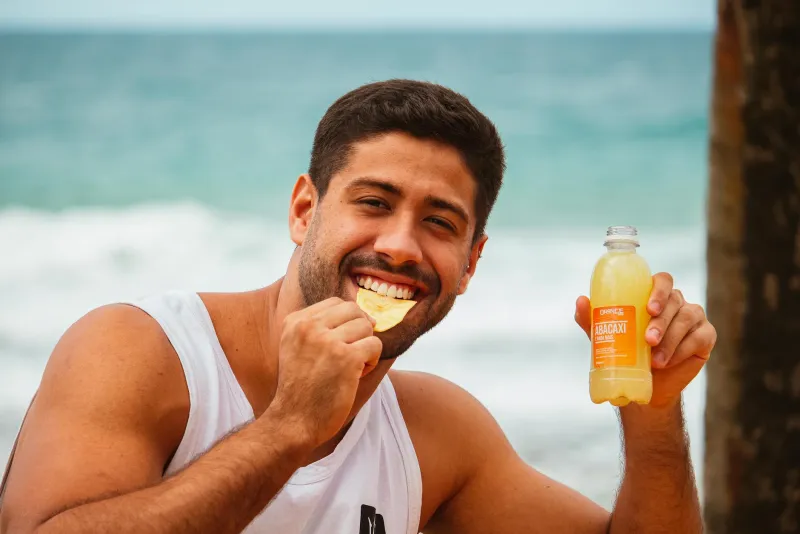
Why Form Matters for Isotonic Drinks and Gels
Isotonic drinks and gels share a fundamental goal: delivering carbohydrates, electrolytes, and fluid at an osmolality close to that of blood plasma, allowing rapid gastric emptying and absorption. Yet the physical form — ready-to-drink (RTD) bottle, dissolvable powder, or concentrated gel — meaningfully affects practical usability, absorption dynamics, and cost efficiency.
Understanding the differences helps you match the right format to your activity, rather than defaulting to whichever packaging looks most appealing on the shelf.
Forms Compared
Ready-to-Drink Isotonic Bottles (RTD)
Pre-mixed RTD isotonic drinks are convenient but bulky. They are best suited to activities where carrying a pre-filled bottle is feasible — cycling, team sports on a pitch, gym sessions. The electrolyte and carbohydrate profile is fixed at manufacture, offering no flexibility for the user.
Strengths: no preparation, consistent concentration, widely available, palatable for repeated drinking. Limitations: heavy for long-distance endurance events, more expensive per serving, produces packaging waste.
Dissolvable Powder
Isotonic powders dissolved in a measured volume of water give the user control over concentration. By adjusting the powder-to-water ratio, the drink can be made isotonic, hypotonic (lower osmolality, faster absorption), or hypertonic (higher energy density, slower absorption). This flexibility is valuable for endurance athletes who know their sweat rate and carbohydrate needs.
Strengths: cost-effective per serving, adjustable concentration, lightweight for transport, versatile. Limitations: requires water and mixing time; impractical mid-run without a pack or bottle.
Energy Gels
Gels are highly concentrated semi-liquid carbohydrate and electrolyte formulas typically packaged in single-serve sachets. They are designed for rapid ingestion during high-intensity exercise without the need to carry significant fluid volume. However, gels must be consumed alongside water — without adequate fluid, their high osmolality can slow gastric emptying and cause gastrointestinal discomfort.
Strengths: compact and lightweight, fast-deploying, precise carbohydrate dose per sachet. Limitations: must be paired with water, unpleasant texture for some users, not suitable as sole hydration.
Bioavailability Differences
The rate at which carbohydrates from a sports product reach the bloodstream depends on gastric emptying rate and intestinal transport. Research shows that isotonic solutions empty from the stomach more rapidly than hypertonic ones (Vist & Maughan, 1994). This is why isotonic concentration matters: a gel taken without water creates a hypertonic bolus in the stomach that slows its own absorption.
For carbohydrate delivery during exercise, combining glucose and fructose sources in the product allows multiple intestinal transporters (SGLT1 for glucose, GLUT5 for fructose) to work simultaneously, increasing total carbohydrate oxidation rates (Jeukendrup, 2010). Products listing both maltodextrin/glucose and fructose can therefore support higher carbohydrate delivery than single-source products.
Cost per Effective Dose
RTD bottles are convenient but carry a significant cost premium. Powders are generally the most cost-efficient format, particularly when bought in larger packages. Gels fall in between: compact and precise, but more expensive per gram of carbohydrate than bulk powder.
For training sessions, powders are typically more economical. For races or events where precision and portability dominate, gels offer justifiable value.
Which Form for Which Goal
| Scenario | Recommended Form |
|---|---|
| Gym session, access to water | RTD or powder in a shaker |
| Cycling training ride (2–3 hours) | Powder in bidons or RTD in jersey pocket |
| Running race (60+ minutes) | Gels with water at aid stations |
| Team sport (football, basketball) | RTD bottles on sideline |
| Hiking or multi-hour outdoor activity | Powder in a hydration pack or RTD |
OstroVit Isotonic Drink 1500g Pirn and OstroVit Isotonic 500g Apelsin are powder-format isotonic products available at maxfit.ee — large pack sizes suitable for regular training. PowerBar Iso Active 600g Sidrun is another powder option with an established endurance sport pedigree. For gel format, PowerBar PowerGel Hydro 67ml Kirss is a hydrogel formulation designed to be taken without additional water — a practical solution for events with limited access to water stops.
Browse the full isotonic drinks and gels range at maxfit.ee.
What to Look for on the Label
- Carbohydrate source: Look for maltodextrin + fructose combinations for higher absorption rates; pure glucose/dextrose is fast but limited at high intake rates
- Sodium content: Sodium is the primary electrolyte lost in sweat; its presence in the drink stimulates fluid retention and absorption
- Osmolality: Not always stated, but a carbohydrate concentration of approximately 6–8 g per 100 ml generally yields an isotonic product
- Caffeine: Some endurance gels include caffeine — beneficial for race day performance but not always appropriate for training
- Coloring and sweeteners: Functional rather than essential; choose based on personal tolerance
FAQ
Do I need isotonic drinks for sessions under an hour?
For most people in most environments, water is sufficient for sessions under 60 minutes. Isotonic products add meaningful value in longer or higher-sweat situations, or when training twice daily.
Can I make my own isotonic drink?
Yes. Dissolving a measured amount of isotonic powder in the correct volume of water is exactly how isotonic drinks are made at home. The key is accurate measurement to achieve the right concentration.
Are gels better than drinks for running?
Not categorically — it depends on the event and your personal tolerance. Gels are more portable for races; drinks are easier to consume consistently on long training runs where you carry a bottle or vest.
References
Vist, G. E., & Maughan, R. J. (1994). Gastric emptying of ingested solutions in man: effect of beverage glucose concentration. Medicine and Science in Sports and Exercise, 26(10), 1269–1273. https://pubmed.ncbi.nlm.nih.gov/7799770/
Jeukendrup, A. E. (2010). Carbohydrate and exercise performance: the role of multiple transportable carbohydrates. Current Opinion in Clinical Nutrition and Metabolic Care, 13(4), 452–457. https://pubmed.ncbi.nlm.nih.gov/20574242/



