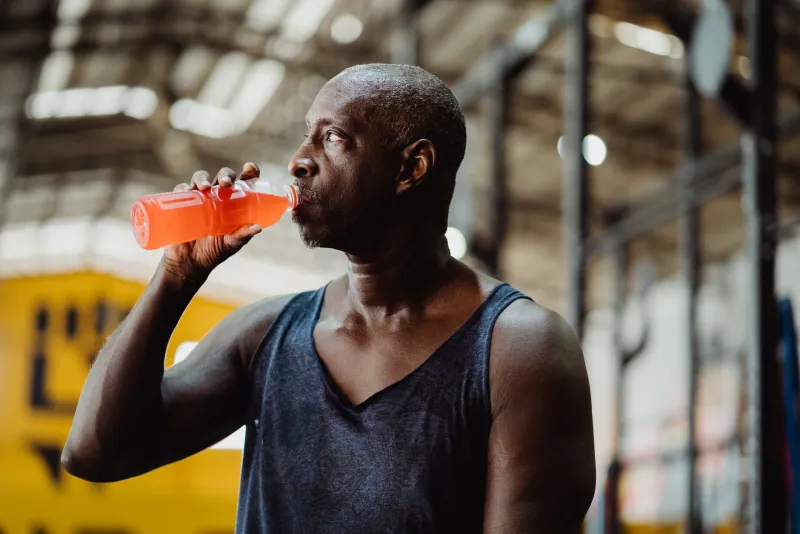
Why Women May Need Isotonic Drinks and Gels
Isotonic drinks and gels are designed to rapidly replace fluids and electrolytes lost through sweat during exercise. They typically contain sodium, potassium, and carbohydrates at concentrations close to the body's own fluid balance — hence the name "isotonic."
Women engaging in endurance exercise, team sports or long training sessions lose meaningful amounts of sodium and fluid, just as men do. The practical argument for isotonic products during sustained effort (generally exercise lasting more than 60-90 minutes) is straightforward: plain water replaces fluid but not electrolytes, while isotonic drinks address both simultaneously.
However, there are genuine physiological differences between men and women that affect how the body handles fluid and salt regulation during exercise. Understanding these makes it easier to use these products effectively.
Hormonal and Life-Stage Considerations
Hormonal fluctuations across the menstrual cycle influence fluid balance in important ways. During the luteal phase (roughly the two weeks before menstruation), elevated progesterone and oestrogen affect the renin-angiotensin system and aldosterone secretion, leading the body to retain more sodium and water (Stachenfeld et al., 1999). This means that fluid and electrolyte needs may vary somewhat across the month.
In practical terms, some women notice that they feel more easily dehydrated or that their performance in heat is more variable depending on where they are in their cycle. This is a real physiological phenomenon, not just perception.
During perimenopause and menopause, oestrogen decline affects thermoregulation and sweat response, which can change fluid needs during exercise. Women in this life stage may find they sweat differently from what they experienced in their twenties or thirties.
For most purposes, women do not need special formulations — standard isotonic drinks perform well regardless of sex. The differences above are more relevant to fine-tuning timing and monitoring how you feel during training rather than requiring a fundamentally different product.
Dose Considerations
The main dosing guidance for isotonic drinks is based on exercise duration and intensity rather than sex specifically:
- Under 60 minutes: Plain water is generally sufficient for most women exercising at moderate intensity
- 60-90 minutes: An isotonic drink alongside water begins to be useful, particularly in warm conditions or when sweating heavily
- Over 90 minutes: Isotonic drinks and energy gels become increasingly important to maintain performance and prevent electrolyte depletion
Because women typically have lower absolute body mass than men, total fluid needs per session are somewhat lower in absolute terms — but sweat rate per kg body mass is similar (Maughan & Shirreffs, 2004). The practical implication is to drink to thirst rather than following male-focused volume guidelines literally.
For energy gels specifically, women should match gel intake to carbohydrate needs during exercise — which depends on pace, duration, and individual tolerance — rather than following a male athlete's protocol unchanged.
Products available at maxfit.ee include OstroVit Isotonic Drink 1500g Pirn, PowerBar Iso Active 600g Sidrun, and OstroVit Isotonic 500g Apelsin, which are well-suited to endurance training and longer sessions.
Energy Gels: How They Fit In
Energy gels are concentrated carbohydrate sources, not electrolyte replacers — they deliver quick energy rather than hydration. For exercise lasting over 75-90 minutes, combining isotonic drinks (for hydration and electrolytes) with gels (for carbohydrate energy) is a common and effective approach.
The key is not to take gels with isotonic drinks alone if you are not also consuming plain water or a hypotonic drink, as the combined osmotic load can slow gastric emptying and cause discomfort. PowerBar PowerGel Hydro 67ml Mojito and PowerBar PowerGel Hydro 67ml Kirss are hydrogel formats that can be taken without additional water, which some women find more convenient.
Pregnancy and Safety Notes
For pregnant women, isotonic sports drinks are generally not recommended as a routine hydration choice unless under medical guidance. Many contain sodium, caffeine (check labels), artificial colours or flavourings that are not ideal during pregnancy. Plain water and dietary sources remain the preferred option for hydration.
If exercise is continued during pregnancy (which is appropriate for many women up to certain intensity limits), any specialised hydration strategy should be discussed with a midwife or physician.
For breastfeeding women exercising regularly, increased fluid needs are real. An isotonic drink after intense sessions can help, but again, plain water and electrolyte-rich foods usually meet needs without adding unnecessary ingredients.
Bottom Line
Isotonic drinks and gels are useful tools for women engaged in endurance training or prolonged exercise sessions. The hormonal variability across the menstrual cycle is worth being aware of, but does not require a fundamentally different product. Tune intake to exercise duration, personal sweat rate and how you feel. During pregnancy, prioritise plain water and seek medical guidance before adding sports drinks.
References
Stachenfeld, N. S., Silva, C., Keefe, D. L., Kokoszka, C. A., & Nadel, E. R. (1999). Effects of oral contraceptives on body fluid regulation. Journal of Applied Physiology, 87(3), 1016-1025. https://pubmed.ncbi.nlm.nih.gov/10484572/
Maughan, R. J., & Shirreffs, S. M. (2004). Exercise in the heat: challenges and opportunities. Journal of Sports Sciences, 22(10), 917-927. https://pubmed.ncbi.nlm.nih.gov/15768725/
Cousins, J. L., Regan, S. A., Tucker, R., & Lambert, E. V. (2003). Fluid intake, body composition and performance during a cycling trial in female athletes. International Journal of Sport Nutrition and Exercise Metabolism, 13(3), 298-311.
FAQ
Do women need a different isotonic drink than men?
No — the same formulations work well for both sexes. Differences in hormonal status may mean that individual fluid and electrolyte needs fluctuate somewhat across the menstrual cycle, but this does not require a sex-specific product. Adjusting intake based on how you feel during training is more practical than using a separate formula.
Can I use isotonic drinks for short workouts under 45 minutes?
For workouts under 45-60 minutes at moderate intensity, water is sufficient for most women. Isotonic drinks add unnecessary calories and sugars for sessions of this length unless you are training in unusual heat or are particularly prone to sweating heavily.
Are sports gels safe to take with isotonic drinks?
Yes, but be aware that taking concentrated energy gels alongside isotonic drinks (rather than plain water) can increase the osmotic load in the stomach and slow absorption. If you use gels, consider alternating them with plain water or a hypotonic drink, or opt for hydrogel formats that are designed to be taken without additional water.



