
Iron for Weight Management: Does It Work?
Iron is an essential mineral involved in oxygen transport, energy metabolism, and mitochondrial function. The question of iron weight management has a plausible biological foundation in the sense that iron deficiency impairs aerobic capacity and energy production — but translating that mechanism into meaningful weight-loss outcomes requires more scrutiny.
Proposed Mechanism
Iron is a core component of haemoglobin and myoglobin, the proteins that carry and store oxygen in blood and muscle. Iron is also required by enzymes in the mitochondrial electron transport chain. In iron deficiency, these processes are compromised: physical performance declines, fatigue increases, and basal metabolic rate may be marginally lower in some iron-deficient individuals.
The weight management link is therefore indirect: correcting iron deficiency can restore physical performance and energy levels, allowing greater exercise capacity, which may then support fat loss through increased physical activity. This is a meaningful chain but far removed from iron being a direct weight-loss agent.
Honest Look at the Evidence
No high-quality RCT has shown that iron supplementation directly reduces body weight or body fat in iron-sufficient individuals. A meta-analysis of iron and metabolic outcomes found associations between iron deficiency and impaired thermogenesis in some observational studies, but causal intervention data is limited and effect sizes are small.
In iron-deficient populations (especially women of reproductive age), correcting deficiency consistently improves exercise performance, reduces fatigue, and may support engagement in physical activity — all of which indirectly contribute to healthier body composition over time.
A randomised trial in iron-deficient non-anaemic women found improvements in exercise efficiency and reduced perceived exertion after iron supplementation (Hinton et al., 2000), which is the mechanistic pathway through which iron could theoretically support weight management efforts.
Effect Sizes (If Any)
The effect of iron on weight management, even in deficient populations, is indirect and modest. There is no evidence for a direct lipolytic or thermogenic effect of iron supplementation in well-nourished, iron-sufficient adults. The primary benefit is restoration of normal physiology in those who are deficient.
Expect effects on fatigue and exercise capacity rather than on the scale itself. These are real and valuable but are different from direct weight loss.
Realistic Expectations
If you are iron deficient, correcting that deficiency may:
- Reduce fatigue and improve motivation for physical activity
- Improve aerobic capacity during exercise
- Support better workout consistency over time
If you are not iron deficient, iron supplementation for weight management purposes has no evidence base. Excess iron carries genuine risks including gastrointestinal irritation and, at chronically elevated levels, potential for oxidative tissue damage.
Products at maxfit.ee in the iron category include ICONFIT Capsules Ferrum + Vitamin C 90caps, NOW Iron 36mg Ferrochel 90caps, Now Foods Iron 18mg 120caps, and 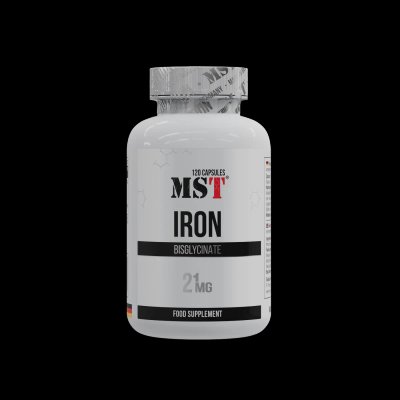 MST Iron bisglycinate€19.90 In stock 21mg 120caps — iron supplements for those with confirmed deficiency.
Better Levers
For weight management, the strongest evidence-based levers remain:
- Caloric intake management and dietary quality
- Consistent resistance and aerobic exercise
- Sleep quality and stress management (both affect appetite regulation and cortisol)
- Protein intake adequacy (supports satiety and lean mass retention)
Iron supports these levers in deficient individuals by restoring energy levels and exercise tolerance, but it is not a substitute for them.
References
Hinton, P. S., Giordano, C., Brownlie, T., & Haas, J. D. (2000). Iron supplementation improves endurance after training in iron-depleted, non-anemic women. Journal of Applied Physiology, 88(3), 1103-1111. https://pubmed.ncbi.nlm.nih.gov/10710409/
Brooks, G. A., Fahey, T. D., & Baldwin, K. M. (2005). Iron and work capacity. Exercise Physiology: Human Bioenergetics and Its Applications — cited as a conceptual basis in journal reviews of iron and metabolism.
Stubbs, R. J., & Tolkamp, B. J. (2006). Control of energy balance in relation to energy intake and energy expenditure in animals and man. British Journal of Nutrition, 95(4), 657-669. https://pubmed.ncbi.nlm.nih.gov/16571145/
FAQ
Should I take iron to help lose weight?
Only if blood tests confirm iron deficiency. In iron-sufficient individuals, iron supplements do not promote weight loss and carry unnecessary risks. Have a blood panel done first.
How does iron deficiency affect weight?
Iron deficiency does not directly cause weight gain. It causes fatigue and reduces exercise tolerance, which can indirectly contribute to lower activity levels and poorer body composition over time.
What form of iron supplement is best absorbed?
Iron bisglycinate and ferrous forms (ferrochel) generally have better gastrointestinal tolerance than ferric forms. Taking iron with vitamin C can further improve absorption.



