
Iron: What Recent Research Is Changing
Iron deficiency is the most prevalent micronutrient deficiency globally, affecting hundreds of millions of people — particularly women of reproductive age, endurance athletes, and those with limited meat intake. At the same time, iron is a double-edged nutrient: excess iron can promote oxidative stress and has been associated with adverse cardiovascular outcomes in some epidemiological analyses. Getting the balance right is where emerging research is most valuable.
What Recent Trials Show
Alternate-day dosing: a genuine shift in consensus
One of the most significant findings from recent iron research involves dosing frequency. A well-designed trial found that iron absorption was higher when supplements were taken on alternate days rather than daily (Moretti et al., 2015). The mechanism relates to hepcidin — a liver hormone that regulates iron absorption. After a dose of iron, hepcidin rises within hours and suppresses intestinal iron uptake for approximately 24 hours. Daily dosing essentially causes hepcidin to be elevated much of the time, reducing absorption efficiency. Alternate-day dosing allows hepcidin to return to baseline before the next dose, improving fractional absorption.
This finding is now influencing clinical practice and has been replicated in subsequent work. The practical implication: for iron-deficient individuals without acute medical need, every-other-day dosing may be equally effective and better tolerated than daily dosing.
Form matters: bisglycinate vs ferrous sulfate
The traditional standard for iron supplementation has been ferrous sulfate — inexpensive and well-absorbed in the fasted state. However, ferrous sulfate is notorious for gastrointestinal side effects (constipation, nausea, abdominal discomfort), which are the most common reason for poor adherence.
Iron bisglycinate (a chelated form where iron is bound to two glycine molecules) has been gaining research attention. A comparative trial found that iron bisglycinate was absorbed at a meaningful rate and caused significantly fewer GI complaints, making it a more tolerable option for many users (Szarfarc et al., 2001). The trade-off is cost — bisglycinate is more expensive per milligram of elemental iron.
ICONFIT Capsules Ferrum + Vitamin C 90caps, 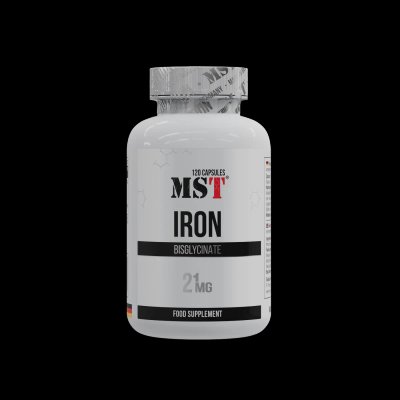 MST Iron bisglycinate€19.90 In stock 21mg 120caps, and MST Iron bisglycinate 21mg 60caps represent bisglycinate-form iron options available at maxfit.ee.
 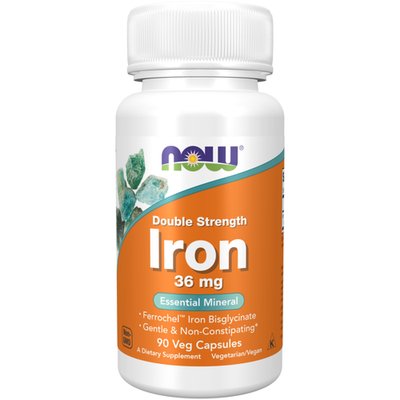 NOW Iron 36mg Ferrochel€12.90 In stock 90caps and Now Foods Iron 18mg 120caps offer ferrochel (bisglycinate) form at different dose levels.
The role of vitamin C
The interaction between iron and vitamin C (ascorbic acid) has long been recognised: ascorbic acid reduces dietary non-heme iron from the ferric (Fe3+) to the ferrous (Fe2+) state, enhancing absorption. More recent work has confirmed that this effect is significant — co-supplementation with vitamin C can meaningfully increase absorption of non-heme iron from food and supplements. Products combining iron with vitamin C take advantage of this synergy.
Shifts in Consensus
Several areas where the field has moved include:
- Supplementation for athletes: endurance athletes, especially female runners, are now recognised as a group with substantially elevated iron needs due to foot-strike haemolysis, GI blood loss, and sweat losses. Monitoring ferritin — not just haemoglobin — is increasingly recommended.
- Morning vs evening dosing: emerging data suggests morning supplementation (before food) maximises absorption, consistent with lower hepcidin levels earlier in the day.
- Assessment before supplementation: ferritin, not just blood count, is increasingly the preferred measure. Functional iron deficiency (low ferritin with normal haemoglobin) is associated with fatigue and reduced exercise capacity, even without anaemia.
Still-Open Questions
Several areas remain contested or insufficiently studied:
- Optimal ferritin target for athletes: some practitioners aim for ferritin above 50 ng/mL for performance, but the evidence for a specific threshold in healthy athletes is limited.
- Iron and gut microbiome: research is examining how iron supplementation affects intestinal bacteria composition — higher doses may favour pathogenic species in the colon. This is an evolving area.
- Iron in older adults: age-related changes in iron metabolism are not yet fully characterised; the risk of iron accumulation may be higher in older men, warranting caution with supplementation without testing.
What It Means Practically
For most people considering iron supplementation:
- Test first: supplementing iron without knowing your ferritin level is not ideal. Iron overload carries real risks.
- Consider bisglycinate form if tolerability is a concern — the GI side-effect profile is meaningfully better.
- Try alternate-day dosing if daily supplementation causes side effects or is poorly tolerated.
- Pair with vitamin C — either take with a vitamin C-rich food or use a product that combines both.
- Avoid calcium and coffee around the dose — both reduce iron absorption.
Bottom Line
Iron research has delivered practical upgrades to supplementation strategy. The alternate-day dosing approach and the growing evidence for bisglycinate tolerance are the most immediately actionable findings. These are not fringe positions — they reflect current understanding in sports nutrition and clinical practice. As always, supplementing iron without laboratory confirmation of deficiency is not recommended.
FAQ
How do I know if I need an iron supplement?
Blood testing is the only reliable way to assess iron status. A full blood count may show low haemoglobin if anaemia is present, but ferritin is a more sensitive marker of iron stores. Symptoms of iron deficiency include fatigue, poor exercise tolerance, pale skin, and difficulty concentrating — but these are non-specific and can have many causes.
Can I take iron with other supplements?
Calcium and zinc compete with iron for absorption and should be taken separately. Vitamin C enhances iron absorption and is beneficial to take together. Polyphenols in tea and coffee inhibit non-heme iron absorption and should be avoided around the time of supplementation.
Is iron safe to supplement without a blood test?
For most healthy adults without known deficiency, routine iron supplementation is not recommended and can cause harm in those with genetic iron storage disorders such as haemochromatosis. Testing before supplementing is strongly advisable.
References
Moretti, D., Goede, J. S., Zeder, C., et al. (2015). Oral iron supplements increase hepcidin and decrease iron absorption from daily or twice-daily doses in iron-depleted young women. Blood, 126(17), 1981-1989. https://pubmed.ncbi.nlm.nih.gov/26289639/
Szarfarc, S. C., de Cassana, L. M., Fujimori, E., Guerra-Shinohara, E. M., & de Oliveira, I. M. (2001). Relative effectiveness of iron bis-glycinate chelate (Ferrochel) and ferrous sulfate in the control of iron deficiency in pregnant women. Archivos Latinoamericanos de Nutricion, 51(1 Suppl 1), 42-47.
Viveiros, M. M., Borges, R. M., & Figueiredo, M. S. (2018). Iron deficiency in athletes: a review. Einstein (Sao Paulo), 16(4), eRW4008.



