
Is Long-Term Iron Use Safe?
Iron supplementation is one of the most common nutritional interventions worldwide — prescribed for iron-deficiency anaemia, recommended during pregnancy, and self-selected by athletes and menstruating individuals who feel run down. But the question of long-term safety deserves a careful, evidence-based answer rather than a reflexive yes or no.
What Long-Term Studies Show
Iron is a pro-oxidant at high levels. Unlike many water-soluble nutrients, the body has limited mechanisms to actively excrete excess iron — absorption regulation at the gut is the primary control. This means iron accumulates over time if intake consistently exceeds losses.
Studies following people supplementing iron over months and years reveal a key distinction: those with true iron deficiency efficiently absorb and utilise supplemental iron with minimal accumulation. In iron-replete individuals, however, supplementation can raise ferritin (stored iron) into ranges associated with increased oxidative stress and, in some epidemiological associations, metabolic risk (Zacharski et al., 2008).
The concern is not acute toxicity but chronic iron overload in predisposed individuals. People with haemochromatosis (genetic iron overload disorder) represent the clearest contraindication, but even among the general population, regular high-dose supplementation without confirmed deficiency is not advised.
Upper Safe Limits Over Time
Regulatory bodies have established tolerable upper intake levels for iron. The established tolerable upper intake level for iron for adults is 45 mg per day from all sources. This is the level above which the risk of adverse effects — primarily gastrointestinal and oxidative — becomes meaningful. Standard supplemental doses in deficiency contexts are typically well below this, and products available at maxfit.ee such as ICONFIT Capsules Ferrum + Vitamin C 90caps, Now Foods Iron 18mg 120caps, and 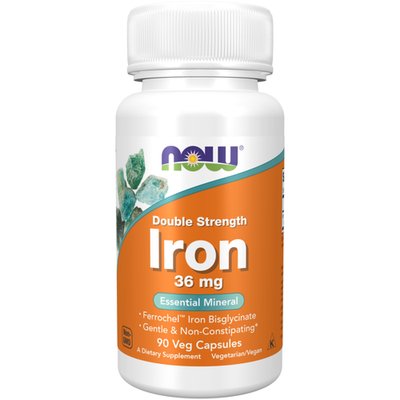 NOW Iron 36mg Ferrochel€12.90 In stock 90caps sit within typical therapeutic ranges.
Do You Need to Cycle Iron?
Unlike some supplements (such as stimulants), there is no established physiological benefit to cycling iron. The body manages iron through hepcidin — a liver hormone that reduces intestinal absorption as iron stores fill. In practice this means that once stores are replete, absorption naturally falls. However, this regulatory mechanism is not foolproof at very high supplemental doses over long periods.
For most people with confirmed deficiency, supplement until blood tests confirm normalisation of ferritin and haemoglobin, then reassess with a healthcare provider whether continued supplementation is needed. This is more evidence-guided than arbitrary cycling.
Monitoring
Anyone taking iron supplements long-term should have periodic blood tests. Key markers:
| Marker | What it tells you |
|---|---|
| Serum ferritin | Total stored iron — rises before haemoglobin normalises; can indicate overload if very high |
| Haemoglobin / haematocrit | Functional anaemia or recovery |
| Transferrin saturation | Percentage of iron-carrying protein loaded — high values suggest overload |
| Serum iron | Circulating iron — fluctuates with diet and timing |
A ferritin test once every three to six months is generally recommended for those on therapeutic iron supplementation (Camaschella, 2015).
Honest Verdict
Long-term iron supplementation is safe for people with confirmed iron deficiency who are monitored appropriately. It carries real risk if used chronically without a genuine need — particularly in males and post-menopausal women who have low baseline iron losses. The key safety rule is straightforward: confirm deficiency before supplementing, and retest periodically to know when you can stop.
If you are looking for gentle forms with good tolerability, bisglycinate formulations such as 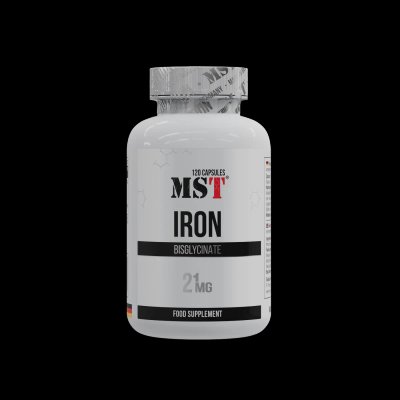 MST Iron bisglycinate€19.90 In stock 21mg 120caps and MST Iron bisglycinate 21mg 60caps are available at maxfit.ee and are associated with fewer gastrointestinal side effects than ferrous sulphate.
References
Camaschella, C. (2015). Iron-deficiency anemia. New England Journal of Medicine, 372(19), 1832-1843. https://pubmed.ncbi.nlm.nih.gov/25946282/
Zacharski, L. R., Chow, B. K., Howes, P. S., Shamayeva, G., Baron, J. A., Dalman, R. L., Malenka, D. J., Ozaki, C. K., & Lavori, P. W. (2008). Reduction of iron stores and cardiovascular outcomes in patients with peripheral arterial disease: a randomized controlled trial. JAMA, 299(23), 2765-2772.
Hurt, R. T., Frazier, T. H., McClave, S. A., & Cave, M. C. (2011). Pharmaconutrition for the obese, critically ill patient. Journal of Parenteral and Enteral Nutrition, 35(5 Suppl), 60S-72S.
FAQ
Can I take iron every day indefinitely?
Not without periodic testing. Long-term unsupervised iron supplementation can lead to iron accumulation, particularly in people without ongoing iron losses. Always retest ferritin and haemoglobin and adjust based on results.
Is iron from food safer than supplements?
Dietary iron (especially non-haem iron from plant foods) is regulated differently by the gut — absorption drops when stores are adequate. Supplemental iron, especially high-dose ferrous forms, bypasses some of these controls. This is why food-first is sensible for mild insufficiency.
Are bisglycinate forms better for long-term use?
Bisglycinate iron is absorbed efficiently at lower doses and causes less gastrointestinal irritation than ferrous sulphate in most studies, making it a practical choice for extended supplementation programmes.



