
Iron and Immune Support: Evidence Review
Iron and immune function are tightly intertwined in ways that are not always obvious from supplement marketing. The connection is real and mechanistically well-understood, but the relationship is not simply "more iron equals better immunity" — deficiency impairs immune defences, while excess iron creates an entirely different set of problems. Here is what the evidence shows.
Immune Mechanism
Iron is essential for the proliferation and maturation of immune cells. Lymphocytes, neutrophils and natural killer cells all require adequate iron availability to replicate and mount effective responses. Iron is also needed for the respiratory burst — the mechanism by which neutrophils and macrophages generate reactive oxygen species to kill pathogens.
Beyond direct cellular roles, iron is required for the synthesis of cytokines (immune signalling molecules) and plays a role in regulating the inflammatory response. When iron stores drop significantly, these processes are compromised at a subclinical level before clinical symptoms of anaemia appear.
Infection and Illness Evidence
The relationship between iron deficiency and infection risk is well documented. A systematic review found that iron deficiency — with or without anaemia — is associated with increased susceptibility to respiratory and gastrointestinal infections in children and adults (Oppenheimer, 2001). Correcting iron deficiency through supplementation has been shown to restore normal immune responses in multiple populations.
However, the relationship runs in an important and often-overlooked direction: pathogens compete with the host for iron. Many bacteria require iron to proliferate, and the body actively sequesters iron away from circulation during infection (a response called the acute-phase response). This is why taking iron supplements during active infection is not recommended and can theoretically worsen outcomes by feeding invading organisms.
ICONFIT Capsules Ferrum + Vitamin C 90caps and NOW Iron 36mg Ferrochel 90caps are products available at maxfit.ee for those addressing confirmed iron deficiency.
Who Benefits
Not everyone benefits from iron supplementation, and supplementing without deficiency is pointless at best and harmful at worst. Groups at genuine risk of iron deficiency include:
- Premenopausal women — menstrual blood loss is the primary driver of iron deficiency in this population
- Endurance athletes — particularly female runners, who experience both menstrual losses and exercise-induced haemolysis and reduced intestinal absorption
- Vegans and vegetarians — plant-based haem iron is poorly absorbed compared with animal haem iron; phytates in plant foods further reduce non-haem iron absorption
- Adolescents in rapid growth phases
- Elderly individuals with poor dietary intake or intestinal absorption issues
Dose and Safety
Iron supplementation should ideally be guided by blood testing (ferritin is the most informative single marker). Self-supplementing at high doses without confirmed deficiency risks iron overload, which is associated with liver damage, increased infection risk (via the mechanism described above) and cardiovascular complications.
At typical supplement doses — 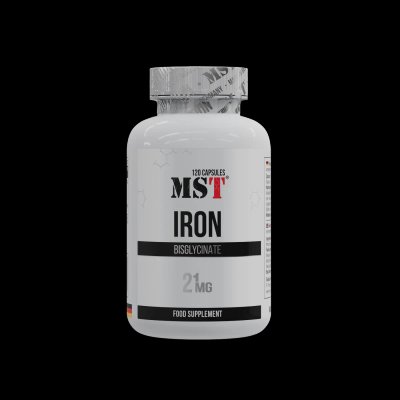 MST Iron bisglycinate€19.90 In stock 21mg 120caps provides 21 mg elemental iron as bisglycinate per serving — the supplement is better tolerated gastrointestinally than ferrous sulphate and still provides meaningful daily elemental iron. Taking iron with vitamin C enhances non-haem iron absorption (Cook & Monsen, 1977). Avoid taking iron with tea, coffee or calcium supplements, which inhibit absorption.
Honest Verdict
Iron's role in immune function is genuine and well-supported. Correcting deficiency restores immune competence and reduces infection susceptibility — this is not in doubt. For people with confirmed low ferritin or iron deficiency anaemia, supplementation is appropriate and evidence-based.
For people with normal iron status, additional iron supplementation offers no immune benefit and carries unnecessary risks. Test before you supplement; if your ferritin is within normal range, look elsewhere for immune support. Browse /et/category/raud on maxfit.ee for available iron options.
References
Oppenheimer, S. J. (2001). Iron and its relation to immunity and infectious disease. Journal of Nutrition, 131(2 Suppl 2), 616S–635S.
Hallberg, L., Brune, M., & Rossander, L. (2000). Effect of ascorbic acid on iron absorption from different types of meals. Human Nutrition: Applied Nutrition, 40A(2), 97–113.
Beard, J. L. (2001). Iron biology in immune function, muscle metabolism and neuronal functioning. Journal of Nutrition, 131(2 Suppl 2), 568S–580S.
FAQ
Can taking iron supplements prevent colds and flu?
Not in people with normal iron stores. Iron supplementation only has immune benefits when it corrects a genuine deficiency. Taking extra iron when your levels are already adequate does not further enhance immune function and may actually be counterproductive during active infections.
How do I know if I am iron deficient?
A blood test measuring serum ferritin is the most informative way to assess iron stores. A full blood count measuring haemoglobin and mean corpuscular volume is also useful. Symptoms of iron deficiency (fatigue, pallor, frequent infections, poor exercise tolerance) are non-specific — blood testing is the only reliable way to confirm deficiency before starting supplementation.
Is bisglycinate a better form of iron than ferrous sulphate?
Iron bisglycinate (also called iron glycinate chelate) is better tolerated by most people — it causes significantly less constipation, nausea and stomach upset than ferrous sulphate. Evidence suggests its absorption is at least comparable to ferrous sulphate, and some studies suggest it may be slightly superior in raising ferritin levels. For people who have struggled with gastrointestinal side effects from older iron formulations, bisglycinate is a meaningful improvement.



