Iron in the Diet: Two Types, Very Different Absorption
Iron food sources fall into two fundamentally different categories, and understanding this distinction is the single most important factor in optimising dietary iron intake.
Haem iron is found in meat, poultry, and fish — it is part of haemoglobin and myoglobin molecules. It is absorbed efficiently and is not significantly inhibited by other dietary components. Research indicates that haem iron absorption from a mixed meal may reach approximately 15–35% of the amount consumed.
Non-haem iron comes from plant foods, eggs, dairy, and fortified products. It is highly sensitive to both enhancers and inhibitors in the same meal. Non-haem iron absorption can range from around 2–20% depending on the meal composition (Hurrell & Egli, 2010). This wide range is why dietary strategy matters enormously for non-haem iron consumers — particularly vegetarians, vegans, and women of reproductive age.
Top Natural Food Sources of Iron
The following foods are among the richest dietary sources:
Haem iron sources (animal-derived):
- Liver (beef, chicken) — one of the most concentrated food sources
- Red meat (beef, lamb, pork)
- Oysters and clams
- Sardines and tuna
- Dark poultry meat
Non-haem iron sources (plant and fortified):
- Legumes: lentils, chickpeas, kidney beans, tofu
- Pumpkin seeds and sesame seeds
- Fortified breakfast cereals (iron content varies widely by product)
- Dark leafy greens: spinach, kale, Swiss chard (note: raw spinach also contains oxalate, an inhibitor)
- Dried apricots and figs
- Whole grains: amaranth, quinoa, oats
Bioavailability: From Food to Body
Haem iron's advantage is clear in absorption studies. Non-haem iron, however, can be meaningfully enhanced by dietary co-factors:
Vitamin C (ascorbic acid) is the most potent enhancer of non-haem iron absorption. Including a vitamin C-rich food (bell pepper, citrus, strawberries, kiwi) at the same meal significantly increases the fraction of non-haem iron absorbed. A study showed that vitamin C in the same meal can increase non-haem iron absorption by a factor of two to three compared to meals without it (Hallberg et al., 1989).
Meat factor. Even a small amount of red meat or fish at a meal containing plant-based iron enhances non-haem iron absorption — a phenomenon known as the "meat factor." This is relevant for flexitarians who eat small amounts of meat.
Fermented foods. Fermentation of grains and legumes (e.g., sourdough bread, fermented porridge) reduces phytate content and improves iron bioavailability.
Daily Iron Targets From Diet
Recommended daily intakes vary by life stage and sex. Adult men and post-menopausal women generally require less iron than women of reproductive age. Endurance athletes — particularly female runners — have higher iron turnover due to sweat losses, foot-strike haemolysis, and higher red blood cell production demands. Whether dietary iron alone can meet these elevated needs depends on individual absorption efficiency and dietary pattern.
Cooking and Storage Effects
Cooking in cast iron adds small but meaningful amounts of iron to food, particularly when cooking acidic foods like tomato sauce. This is a well-recognised strategy for increasing iron intake in food-limited settings.
Soaking and sprouting legumes reduces phytate content and increases the bioavailable iron fraction.
Avoiding tea, coffee, and calcium-rich foods at iron-rich meals helps preserve absorption. Polyphenols in tea and coffee and calcium from dairy can inhibit non-haem iron absorption when consumed simultaneously.
Raw spinach vs cooked. While spinach contains iron, raw spinach also contains oxalic acid and has relatively high phytate, both of which reduce absorption. Lightly cooking spinach reduces the oxalate content, though it also reduces the vitamin C content.
When Food Is Not Enough
For certain groups, dietary iron consistently falls short of needs:
- Women with heavy menstrual blood loss
- Endurance athletes with high training volumes
- Pregnant women (iron requirements increase substantially during pregnancy)
- Strict vegans who cannot regularly include vitamin C-rich foods alongside iron-rich meals
- People with gastrointestinal conditions reducing iron absorption (e.g., coeliac disease)
Iron deficiency anaemia, confirmed by blood testing (serum ferritin, haemoglobin, transferrin saturation), is the primary indication for iron supplementation. Self-supplementing with iron without confirmed deficiency is not recommended, as excess iron intake carries its own risks.
If you do need to supplement, well-tolerated forms include iron bisglycinate and ferric pyrophosphate, which cause fewer gastrointestinal side effects than ferrous sulphate. Products available at maxfit.ee include ICONFIT Capsules Ferrum + Vitamin C 90caps, 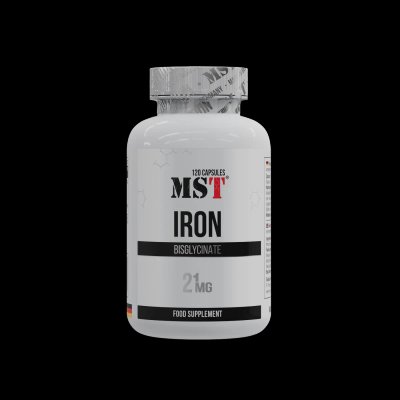 MST Iron bisglycinate€19.90 In stock 21mg 120caps, and
 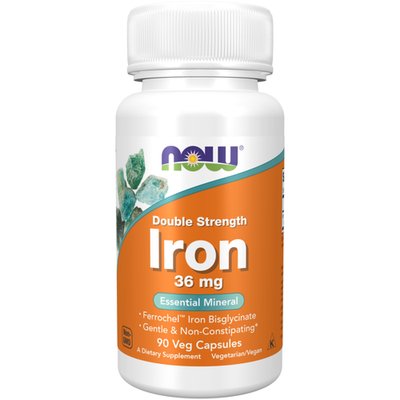 NOW Iron 36mg Ferrochel€12.90 In stock 90caps from the iron supplement category.
FAQ
Can I get enough iron from a vegan diet?
Yes, but it requires planning. Plant-based iron sources require consistent vitamin C co-consumption, avoidance of inhibitors at iron-rich meals, and frequent inclusion of the highest-density plant iron sources (lentils, tofu, seeds, fortified cereals). Regular blood testing is advisable for vegans to monitor ferritin levels.
Does cooking destroy iron in food?
Iron is a mineral and is not destroyed by heat. However, some cooking methods leach iron into cooking water. Using cooking liquid (e.g., in soups and stews) retains this iron. Cooking acidic foods in cast iron adds iron to the food.
Should I avoid coffee with my iron-rich meal?
For people who are iron-deficient or at risk of deficiency, spacing coffee and tea consumption away from iron-rich meals by at least one hour is a practical measure to preserve non-haem iron absorption. For people with adequate iron status, the effect is less significant.
References
Hurrell, R., & Egli, I. (2010). Iron bioavailability and dietary reference values. American Journal of Clinical Nutrition, 91(5), 1461S-1467S. https://pubmed.ncbi.nlm.nih.gov/20200263/
Hallberg, L., Brune, M., & Rossander, L. (1989). Iron absorption in man: ascorbic acid and dose-dependent inhibition by phytate. American Journal of Clinical Nutrition, 49(1), 140-144. https://pubmed.ncbi.nlm.nih.gov/2911999/



