Iron's Role in Energy Metabolism
Iron sits at the centre of oxygen transport in the human body. It is the core mineral in haemoglobin — the protein in red blood cells that binds oxygen in the lungs and releases it in working muscle. Iron is also a component of myoglobin (muscle oxygen storage) and of mitochondrial cytochromes, the enzymes that drive cellular energy production via the electron transport chain.
When iron stores are depleted, the cascade is predictable: fewer functional red blood cells, less oxygen delivery, impaired mitochondrial function, and — the symptom most people notice first — persistent fatigue and reduced exercise capacity.
Evidence in Fatigue
The link between low iron and fatigue is well documented. A randomised trial in iron-deficient but non-anaemic women found that twelve weeks of iron supplementation significantly reduced fatigue scores compared to placebo (Vaucher et al., 2012). Crucially, these were not women with overt anaemia — they simply had low ferritin levels. This finding matters because many people with fatigue have "subclinical" iron deficiency that standard anaemia screening misses.
For athletes, foot-strike haemolysis during running and sweat iron losses add additional drain. A systematic review confirmed that iron supplementation in iron-deficient athletes improved maximal oxygen uptake and reduced perceived exertion (Burden et al., 2015).
Who Is Likely to Respond
Iron supplementation reliably improves fatigue when the underlying cause is low iron. The groups most likely to respond include:
- Premenopausal women with heavy menstrual periods
- Vegetarians and vegans (non-haem iron from plants is less bioavailable)
- Endurance athletes, especially female runners
- Individuals on energy-restricted diets
- People with frequent blood donation history
Conversely, if your fatigue has a different root cause — sleep deficit, thyroid dysfunction, vitamin D deficiency, or stress — iron supplementation will not help and is not appropriate.
Getting Tested First
Before starting iron supplementation, a simple blood test (ferritin + haemoglobin) is worthwhile. High ferritin without deficiency means supplementation is unnecessary and excessive iron can cause oxidative stress and GI distress. Supplementing without deficiency confirmation is not recommended.
Dose Considerations
Iron doses for deficiency correction are typically set by a healthcare provider based on lab values. Common supplemental doses in research range from around 14 mg to 80 mg of elemental iron per day, depending on severity of deficiency and the form of iron used.
Bisglycinate forms of iron tend to be gentler on the stomach than older sulfate forms and have good bioavailability. Products such as ICONFIT Capsules Ferrum + Vitamin C 90caps, NOW Iron 36mg Ferrochel 90caps, 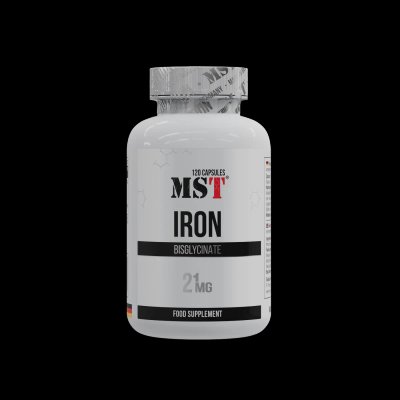 MST Iron bisglycinate€19.90 In stock 21mg 120caps, and Now Foods Iron 18mg 120caps are available at maxfit.ee/et/category/raud.
Realistic Expectations
Iron repletion is not instant. If ferritin levels are genuinely low, returning stores to normal takes weeks to months of consistent supplementation. Most people notice subjective improvement in energy and exercise tolerance within four to eight weeks. Haemoglobin values normalise somewhat faster, but ferritin — the main storage form — takes longer.
Take iron supplements with vitamin C to enhance non-haem iron absorption. Avoid taking iron within two hours of calcium supplements, antacids, or coffee, as these reduce absorption.
FAQ
Can I take iron supplements without being deficient?
Iron is a pro-oxidant at high levels and can cause constipation and GI upset even in the therapeutic range. Supplementing without a confirmed deficiency or a known risk factor is generally not recommended. A blood test before starting is the sensible first step.
Why does iron deficiency cause energy to drop?
Iron is directly required for haemoglobin function and mitochondrial energy production. When iron is low, red blood cells carry less oxygen, muscles receive less fuel, and energy production slows — resulting in fatigue, breathlessness on exertion, and reduced physical performance.
Is plant-based iron (non-haem) adequate for vegetarians?
Non-haem iron from legumes, seeds, and leafy greens is less bioavailable than haem iron from meat. Vegetarians may absorb non-haem iron at around half the efficiency of haem iron. Vitamin C consumed at the same meal significantly improves non-haem absorption, and avoiding inhibitors such as tea at mealtimes also helps.
References
Vaucher, P., Druais, P. L., Waldvogel, S., & Favrat, B. (2012). Effect of iron supplementation on fatigue in nonanemic menstruating women with low ferritin: a randomized controlled trial. Canadian Medical Association Journal, 184(11), 1247-1254. https://pubmed.ncbi.nlm.nih.gov/22777991/
Burden, R. J., Morton, K., Richards, T., Whyte, G. P., & Pedlar, C. R. (2015). Is iron treatment beneficial in, iron-deficient but non-anaemic (IDNA) endurance athletes? A systematic review and meta-analysis. British Journal of Sports Medicine, 49(21), 1389-1397. https://pubmed.ncbi.nlm.nih.gov/25361786/



