
Iron Benefits: What the Evidence Actually Shows
Iron is one of the few minerals where deficiency is genuinely common at a population level — and where targeted supplementation has well-established benefits. Yet iron is also a mineral where supplementing without confirmed deficiency can do harm. This guide covers the primary evidence-backed iron benefits, who is most at risk of deficiency, and how to approach supplementation sensibly.
Primary Evidenced Benefits
Oxygen Transport and Aerobic Capacity
Iron is the core component of haemoglobin, the protein in red blood cells that binds and carries oxygen from the lungs to working tissues. When iron is deficient, haemoglobin synthesis is impaired, leading to iron-deficiency anaemia — a state characterised by reduced aerobic capacity, fatigue, and impaired cognitive function.
Correcting iron deficiency anaemia with supplementation consistently restores haemoglobin levels and aerobic performance. A Cochrane review of iron supplementation in women of reproductive age found significant improvements in haemoglobin concentration and a meaningful reduction in the prevalence of anaemia (Pasricha et al., 2010). These are clinically important outcomes, not marginal gains.
ICONFIT Capsules Ferrum + Vitamin C 90caps pairs iron with vitamin C, which enhances non-haem iron absorption — a practical design choice for those prioritising bioavailability.
Cognitive Function and Mental Energy
Iron-deficiency anaemia impairs cognitive performance, attention, and mental stamina. Multiple studies in iron-depleted adults and adolescents have found that iron repletion improves verbal learning, attention, and concentration (Bruner et al., 1996). The brain's high oxygen demand makes it particularly sensitive to reduced haemoglobin-driven oxygen delivery.
Even iron deficiency without full anaemia — sometimes called iron depletion — may impair cognitive function, though this is harder to study rigorously.
Immune Function
Iron plays an essential role in immune cell proliferation and the oxidative burst used by macrophages to destroy pathogens. Severe deficiency impairs immune responses, increasing susceptibility to infections. This is most relevant in populations with frank deficiency; the benefit of iron supplementation on immune function in already-replete individuals is not established.
Secondary and Emerging Effects
Physical Performance Beyond Anaemia
In athletes, even marginal iron deficiency without anaemia has been shown to reduce exercise efficiency and impair training adaptations. A key mechanism is iron's role in myoglobin (oxygen storage in muscle) and in mitochondrial enzymes involved in energy production. NOW Iron 36mg Ferrochel 90caps uses ferrous bisglycinate chelate, a form associated with good bioavailability and reduced gastrointestinal side effects compared to traditional iron salts.
Restless Legs Syndrome
Low iron stores are strongly associated with restless legs syndrome (RLS). Iron supplementation, particularly in individuals with low serum ferritin, has been shown to reduce RLS symptom severity in some trials. This is an area of genuine clinical relevance for those with both low iron and RLS symptoms.
Pregnancy Outcomes
Iron requirements increase substantially during pregnancy. Adequate iron intake is critical for fetal brain development and preventing maternal anaemia. Supplementation in deficient pregnant individuals has well-established benefits for both maternal and neonatal outcomes.
Where Evidence Is Weak
A common misunderstanding is that iron supplements boost energy and performance in everyone, not just those who are deficient. In individuals with adequate iron stores, supplementation does not improve aerobic capacity, reduce fatigue, or enhance cognition. The energy-related benefits of iron are specific to correcting deficiency.
Similarly, iron is not a general immune booster for well-nourished populations. Claims framing iron supplementation as universally beneficial are not supported by the evidence.
Now Foods Iron 18mg 120caps and 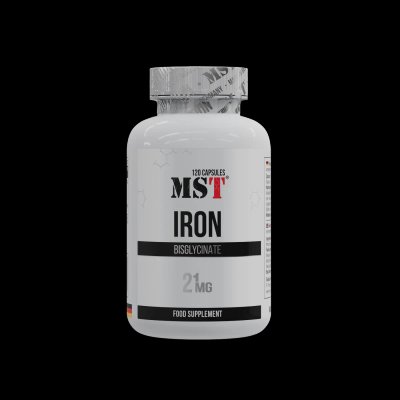 MST Iron bisglycinate€19.90 In stock 21mg 120caps are appropriate for those with confirmed or suspected mild deficiency seeking a well-tolerated supplemental form.
Who Gains Most
Populations with the strongest evidence for iron benefits from supplementation:
- Women of reproductive age: monthly menstrual blood loss significantly increases iron requirements compared to men.
- Pregnant individuals: requirements nearly double, and dietary intake rarely keeps pace without supplementation.
- Endurance athletes (particularly female runners): intense training increases iron losses via haemolysis and sweat, and some studies suggest up to a third of female endurance athletes are iron deficient.
- Vegans and vegetarians: plant-based diets provide non-haem iron, which is absorbed less efficiently than haem iron from meat. Simultaneous consumption of inhibitors (phytates, calcium) further reduces uptake.
- Individuals with gastrointestinal conditions: conditions like coeliac disease or inflammatory bowel disease impair iron absorption.
Realistic Expectations
Iron supplementation is one of the most effective nutritional interventions available — but only for those who are actually deficient. If you suspect iron deficiency (persistent fatigue, pallor, breathlessness, poor concentration), have a blood test to measure serum ferritin and haemoglobin before starting a supplement. Treating confirmed deficiency typically produces meaningful improvements in energy and exercise capacity within weeks to a few months.
Iron supplements are available at maxfit.ee including bisglycinate forms with improved tolerability.
References
Pasricha, S. R., Low, M., Thompson, J., Farrell, A., & De-Regil, L. M. (2010). Iron supplementation benefits physical performance in women of reproductive age: a systematic review and meta-analysis. Journal of Nutrition, 144(6), 906–914.
Bruner, A. B., Joffe, A., Duggan, A. K., Casella, J. F., & Brandt, J. (1996). Randomised study of cognitive effects of iron supplementation in non-anaemic iron-deficient adolescent girls. Lancet, 348(9033), 992–996. https://pubmed.ncbi.nlm.nih.gov/8855856/
Lozoff, B., Georgieff, M. K. (2006). Iron deficiency and brain development. Seminars in Pediatric Neurology, 13(3), 158–165. https://pubmed.ncbi.nlm.nih.gov/17101454/
FAQ
Should I take iron without a blood test?
Iron is one supplement where getting a blood test first is genuinely recommended. Iron overload (from excess supplementation) can cause organ damage. Testing serum ferritin and haemoglobin before supplementing is inexpensive and provides crucial guidance on whether and how much to take.
Which iron form is easiest on the stomach?
Bisglycinate chelate forms — as found in MST Iron bisglycinate 21mg 120caps — are generally better tolerated than traditional iron salts (ferrous sulphate, ferrous fumarate), producing fewer gastrointestinal side effects such as nausea and constipation.
Does vitamin C really help iron absorption?
Yes. Vitamin C converts non-haem iron (the form found in plants and most supplements) from ferric to ferrous form, which is absorbed more efficiently. Taking iron with vitamin C — whether from food or as in combined products like ICONFIT Capsules Ferrum + Vitamin C 90caps — meaningfully improves uptake.



