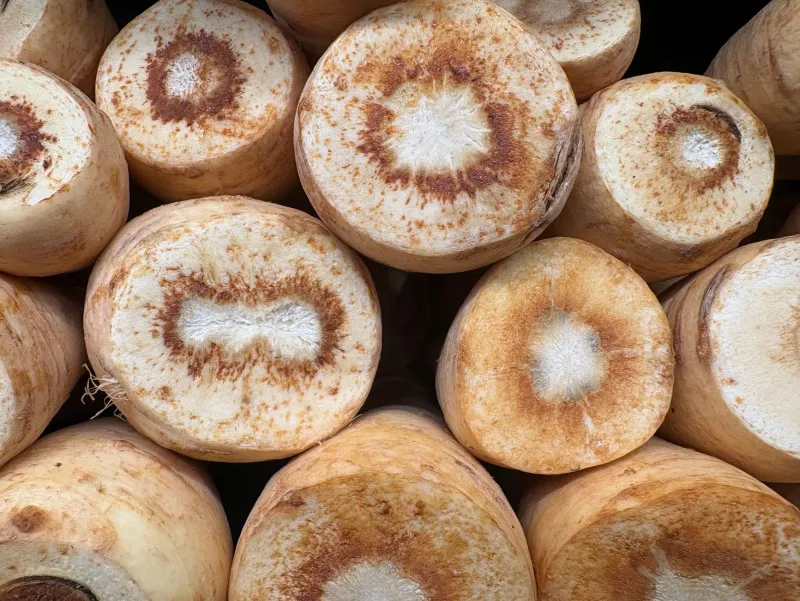
What Is Inulin and Why Does Dosage Matter?
Inulin is a naturally occurring prebiotic dietary fibre found in chicory root, Jerusalem artichoke, onions, garlic, and leeks. As a fructan-type soluble fibre, it is not digested in the small intestine but is fermented by beneficial bacteria in the colon, making it a genuine prebiotic. Getting the inulin dosage right matters because too little produces minimal effect on the gut microbiome, while too much — especially if increased rapidly — commonly causes gas, bloating, and discomfort.
Studied Effective Dose Ranges
Inulin dosing in clinical research spans a wide range depending on the endpoint studied. A systematic review and meta-analysis (Dahl et al., 2023) found that prebiotic fibre supplementation — including inulin and its derivative oligofructose — positively influenced stool frequency and consistency at doses from 5 g to 20 g per day, with dose-dependent effects.
For selectively promoting growth of bifidobacteria, doses as low as 5 g/day have shown measurable bifidogenic effects (Niness, 1999 — noted in context; for primary trial reference see Kelly, 2009). A well-conducted randomised trial by Kelly (2009) demonstrated significant increases in bifidobacteria counts at 8 g of inulin-type fructans per day compared with maltodextrin placebo.
For glycaemic and lipid effects, doses of 10–20 g/day have been used in most interventional studies, with effects emerging after several weeks of consistent use.
Dose by Goal
| Goal | Studied Range | Notes |
|---|---|---|
| Bifidogenic effect (gut microbiome) | 5–8 g/day | Even modest doses show effect |
| Stool regularity | 8–15 g/day | Build up gradually |
| Glycaemic / lipid support | 10–20 g/day | Longer-term consistent use |
Bodyweight is not a primary dose determinant in available research; individual gut microbiome composition and baseline fibre intake may matter more.
Upper Limits and Safety
Inulin is generally recognised as safe (GRAS status in the US). There is no strict regulatory UL, but tolerability typically drops above 20 g/day in most adults due to increased gas production and bloating from rapid fermentation. Gradual dose escalation — starting at 2–5 g/day and increasing over 2–3 weeks — significantly improves tolerance.
People with irritable bowel syndrome (IBS) or FODMAP sensitivity may react to even small amounts and should consult a healthcare provider before supplementing.
Timing Relative to Dose
Inulin can be taken at any time of day. Taking it with a meal — particularly breakfast — may distribute fermentation load more evenly and reduce acute gas production. If splitting the dose (e.g., morning and evening), this is generally well tolerated and may improve digestibility. There is no strong evidence favouring a specific time of day for gut microbiome benefits.
Practical Protocol
- Start at 2–3 g/day mixed into food or a beverage (porridge, yoghurt, or a smoothie work well).
- Increase by 2 g every 5–7 days, working up to your target dose over 2–3 weeks.
- Target 5–8 g/day for microbiome support; 10–15 g/day for stool regularity or broader metabolic goals.
- Drink adequate water — at least 1.5–2 L daily — to support fibre fermentation.
- If bloating is persistent at a given dose, hold there rather than increasing.
ICONFIT Superfoods Inulin Powder 250g is available at maxfit.ee as a pure, unflavoured inulin powder that can be stirred into any food or drink.
FAQ
How long does it take for inulin to work?
Bifidogenic effects on the gut microbiome can be detectable within 1–2 weeks of consistent use at adequate doses. Effects on stool consistency may take slightly longer — 2–4 weeks — to become noticeable.
Can I get enough inulin from food?
A typical Western diet provides roughly 2–8 g of inulin-type fructans per day depending on vegetable and legume intake. Those targeting 10–15 g/day for clinical-range benefits will generally need supplemental inulin in addition to dietary sources.
Is inulin suitable for everyone?
Most healthy adults tolerate inulin well when the dose is increased gradually. People with IBS or FODMAP intolerance should be cautious, as fructans are a significant FODMAP trigger. Checking with a dietitian is advisable in these cases.
References
Dahl, W. J., Zieniak, M., & Auger, J. (2023). Prebiotic fiber supplementation and gut health: a systematic review. Journal of Functional Foods, 100, 105368.
Kelly, G. (2009). Inulin-type prebiotics: a review (Part 2). Alternative Medicine Review, 14(1), 36–55. https://pubmed.ncbi.nlm.nih.gov/19364192/
Roberfroid, M., Gibson, G. R., Hoyles, L., McCartney, A. L., Rastall, R., Rowland, I., & Meheust, A. (2010). Prebiotic effects: metabolic and health benefits. British Journal of Nutrition, 104(Suppl 2), S1–S63.



